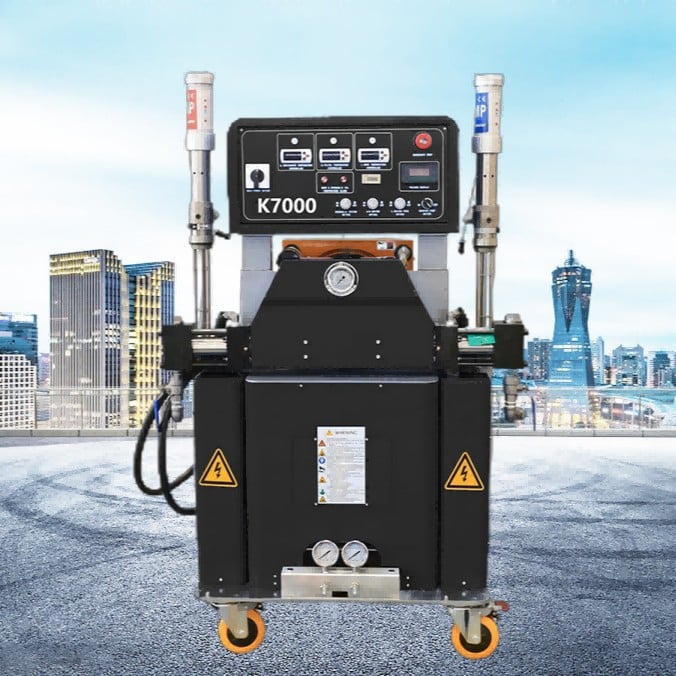
High Density Open Cell Foam: Superior Acoustic, Durability & Moisture Management Solutions

Get a Free Quote

Our representative will contact you soon.
Email
Whatsapp or Tel
Name
Company Name
Message
0/1000

high density open cell foam

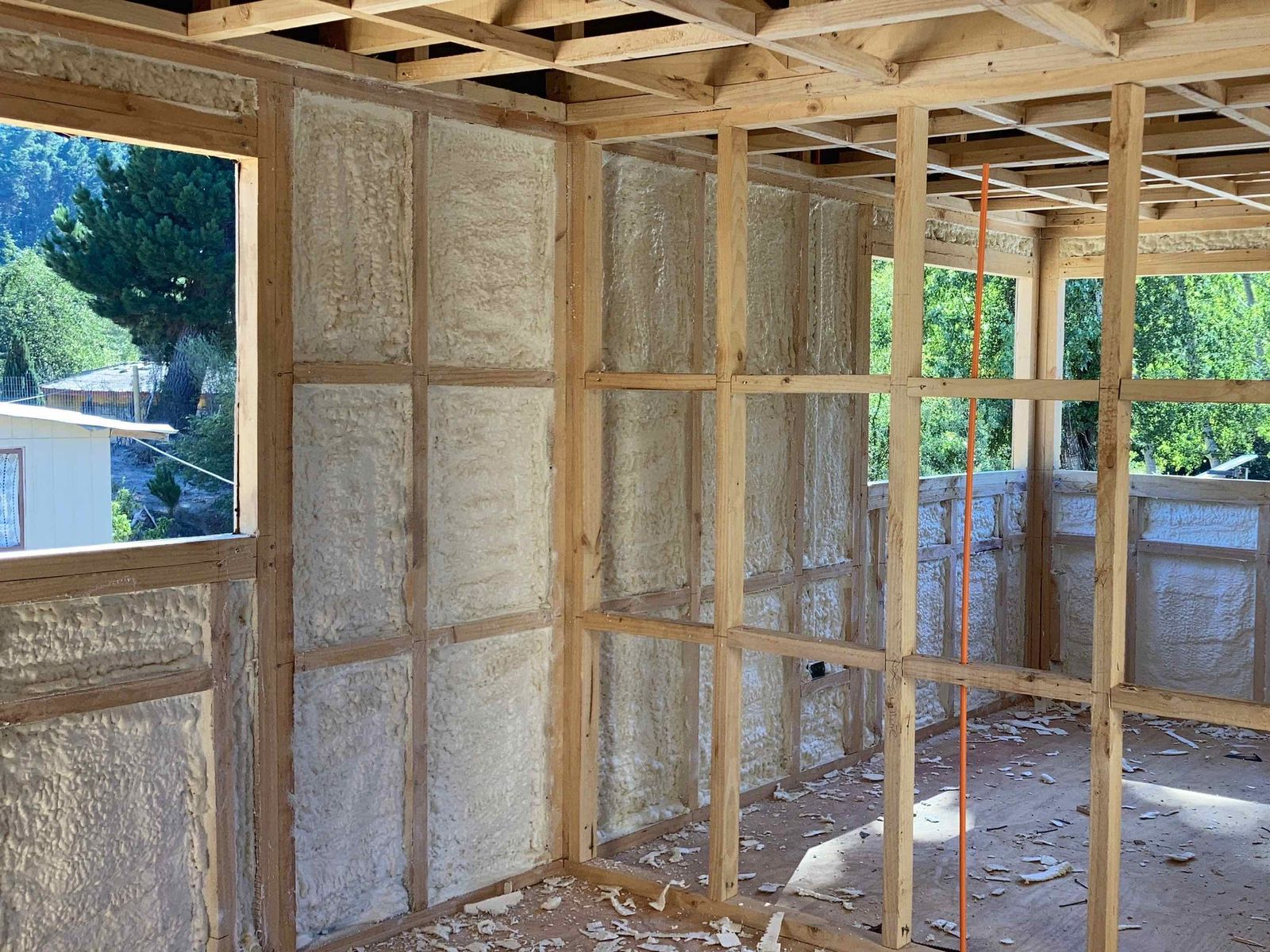
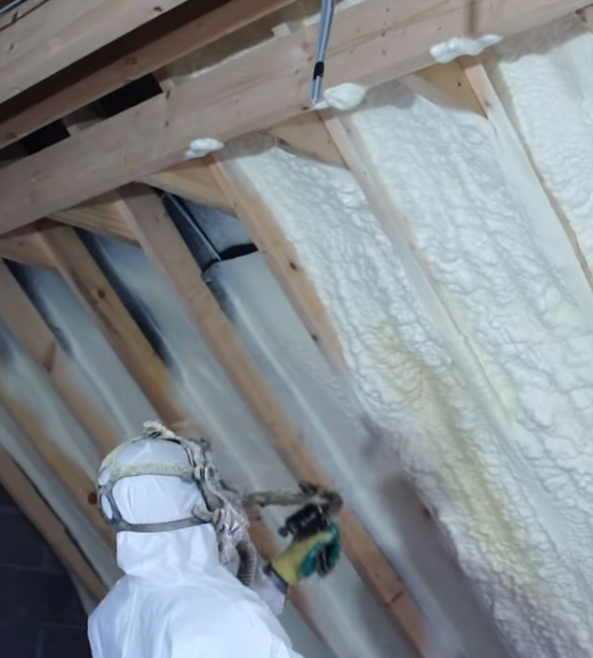
High density open cell foam represents a revolutionary advancement in cellular foam technology, distinguished by its interconnected pore structure that creates an intricate network of air passages throughout the material. This specialized foam construction features densely packed cells that remain open and connected, allowing air and moisture to flow freely while maintaining exceptional structural integrity. The manufacturing process involves precise control of chemical reactions and temperature conditions to achieve the optimal balance between density and porosity. High density open cell foam typically exhibits densities ranging from 35 to 80 pounds per cubic foot, significantly higher than conventional open cell foams. The open cell architecture enables superior breathability and moisture management properties, making it an ideal solution for applications requiring both durability and ventilation. This foam type excels in acoustic applications due to its ability to absorb sound waves effectively through its interconnected cellular matrix. The material demonstrates excellent resilience and recovery characteristics, maintaining its shape and performance even after repeated compression cycles. Temperature stability is another key feature, with high density open cell foam performing consistently across a wide range of environmental conditions. The foam's chemical composition can be customized to meet specific performance requirements, including flame retardancy, antimicrobial properties, and enhanced durability. Manufacturing techniques allow for precise control over cell size distribution, ensuring uniform performance throughout the foam structure. High density open cell foam offers superior longevity compared to lower density alternatives, making it a cost-effective solution for long-term applications. The material's versatility extends to various industries, from automotive and aerospace to medical and consumer products, where its unique combination of properties provides distinct advantages over traditional foam materials.

New Product Recommendations

High density open cell foam delivers exceptional performance benefits that make it the preferred choice for demanding applications across multiple industries. The primary advantage lies in its superior durability and longevity, as the increased density provides enhanced resistance to compression set and mechanical stress. This translates directly into cost savings for customers who require materials that maintain their properties over extended periods without frequent replacement. The open cell structure facilitates excellent air circulation and moisture management, preventing the buildup of condensation and reducing the risk of mold or mildew formation. This breathability feature proves invaluable in applications where moisture control is critical, such as seating cushions, mattresses, and packaging materials. The foam's acoustic properties offer significant noise reduction capabilities, making it an excellent choice for soundproofing applications in automotive interiors, recording studios, and industrial settings. Customers benefit from improved comfort and reduced noise pollution in their environments. The material's consistent performance across varying temperatures ensures reliable operation in both hot and cold conditions, eliminating concerns about seasonal performance variations. High density open cell foam demonstrates remarkable shape retention, bouncing back to its original form even after prolonged compression, which extends product lifespan and maintains user comfort. The foam's chemical resistance properties protect against degradation from exposure to various substances, reducing maintenance requirements and replacement costs. Processing advantages include excellent adhesion characteristics, allowing for secure bonding with various substrates and adhesives. The material can be easily cut, shaped, and fabricated to meet specific dimensional requirements without compromising its cellular structure. Environmental benefits include the potential for recycling and reduced material waste due to its extended service life. The foam's lightweight nature, despite its high density, contributes to overall weight savings in applications where mass is a concern, such as aerospace and automotive components. Fire retardant formulations are available, providing enhanced safety features for applications in public spaces and transportation. The consistent quality and predictable performance characteristics enable engineers and designers to specify high density open cell foam with confidence, knowing it will deliver reliable results in their applications.

Practical Tips

Achieving Perfection: The Complete Guide to Professional Polyurea Application

06

Nov

Achieving Perfection: The Complete Guide to Professional Polyurea Application

View More
Polyurea: The Ultimate Protective Coating for Demanding Applications Across Industries

06

Nov

Polyurea: The Ultimate Protective Coating for Demanding Applications Across Industries

View More
Spray Foam Insulation: Unlocking the Full Potential of Your Build with the Right Choice

06

Nov

Spray Foam Insulation: Unlocking the Full Potential of Your Build with the Right Choice

View More

Get a Free Quote

Our representative will contact you soon.
Email
Whatsapp or Tel
Name
Company Name
Message
0/1000

high density open cell foam

Superior Acoustic Performance and Sound Absorption

Superior Acoustic Performance and Sound Absorption

High density open cell foam excels in acoustic applications due to its sophisticated cellular architecture that creates an optimal environment for sound wave absorption and noise reduction. The interconnected open cell structure acts as a complex labyrinth that traps and dissipates sound energy through friction and viscous losses as air molecules move through the foam matrix. This mechanism proves far more effective than traditional closed cell foams or solid materials at reducing unwanted noise across a broad frequency spectrum. The increased density of this specialized foam enhances its acoustic performance by providing more material surface area within the cellular network, creating additional opportunities for sound energy conversion. Professional audio engineers and architects specifically choose high density open cell foam for critical listening environments, recording studios, and performance venues where precise acoustic control is essential. The material's ability to maintain consistent acoustic properties over time ensures long-term performance reliability, making it a sound investment for permanent installations. In automotive applications, high density open cell foam significantly reduces road noise, engine sounds, and vibrations, creating a quieter, more comfortable driving experience. The foam's acoustic properties can be fine-tuned during manufacturing by adjusting cell size distribution and density gradients to target specific frequency ranges. Industrial facilities benefit from this foam's noise reduction capabilities, helping companies meet workplace safety regulations and improve employee comfort. Home theater enthusiasts and audiophiles rely on high density open cell foam to create optimal listening environments by eliminating unwanted reflections and standing waves. The material's acoustic transparency allows it to be used behind speaker grilles without affecting sound quality, making it ideal for concealed acoustic treatments. Research facilities and testing laboratories utilize this foam to create anechoic environments for precise acoustic measurements and product development.
Exceptional Durability and Compression Resistance

Exceptional Durability and Compression Resistance

High density open cell foam demonstrates remarkable durability characteristics that significantly outperform standard foam materials in demanding applications where longevity and consistent performance are critical factors. The enhanced density provides superior resistance to compression set, meaning the foam maintains its original thickness and support properties even after years of repeated loading cycles. This exceptional durability stems from the foam's robust cellular structure, where the higher concentration of polymer material creates stronger cell walls and struts that resist deformation and fatigue. Laboratory testing confirms that high density open cell foam retains over 90 percent of its original properties after extensive compression cycling, compared to conventional foams that may lose 30-50 percent of their performance characteristics. This superior durability translates into substantial cost savings for customers, as products require less frequent replacement and maintain their intended function throughout extended service periods. In seating applications, the foam's compression resistance ensures consistent comfort and support, preventing the sagging and bottoming-out commonly experienced with lower quality materials. Medical and healthcare applications particularly benefit from this durability, as equipment padding and patient support surfaces maintain their protective properties over thousands of use cycles. The foam's ability to recover quickly from compression ensures that temporary loading does not permanently affect its performance, making it ideal for applications involving intermittent stress. Industrial gaskets and sealing applications rely on this compression resistance to maintain effective seals over extended periods, preventing costly leaks and system failures. The material's resistance to mechanical fatigue extends beyond compression to include resistance to tearing, puncturing, and abrasion, providing comprehensive protection in harsh operating environments. Quality control testing throughout the manufacturing process ensures consistent density distribution and cellular structure, guaranteeing predictable durability performance across production batches.
Advanced Moisture Management and Breathability Features

Advanced Moisture Management and Breathability Features

High density open cell foam provides exceptional moisture management capabilities through its sophisticated interconnected cellular network that promotes continuous air circulation while effectively managing humidity and preventing moisture accumulation. This unique breathability characteristic distinguishes it from closed cell alternatives and solid materials that trap moisture and create environments conducive to bacterial growth, mold formation, and material degradation. The open cell architecture allows moisture vapor to pass freely through the foam structure, facilitating rapid evaporation and maintaining dry, comfortable conditions in various applications. This moisture management system proves particularly valuable in bedding and seating applications, where human body heat and perspiration could otherwise create uncomfortable and unhygienic conditions. The foam's ability to breathe prevents the buildup of condensation that commonly occurs in enclosed spaces, protecting both the foam itself and surrounding materials from moisture-related damage. Packaging applications benefit significantly from these moisture management properties, as sensitive electronic components, pharmaceuticals, and other moisture-sensitive products remain protected during storage and transportation. The breathable nature of high density open cell foam helps regulate temperature by allowing heat dissipation through convective air movement within the cellular structure. Marine and outdoor applications particularly value this moisture management capability, as the foam continues to perform effectively even in high-humidity environments where conventional materials might fail. The material's quick-drying properties facilitate easy cleaning and maintenance, as absorbed liquids can be efficiently removed through the interconnected pore network. Medical applications rely on these breathability features to maintain hygienic conditions and prevent the accumulation of bodily fluids that could compromise patient safety. Industrial filtration systems utilize the foam's controlled porosity to manage air and liquid flow while maintaining structural integrity. The moisture management properties extend the overall lifespan of products by preventing moisture-related deterioration, corrosion, and microbial growth that commonly affect less breathable materials.
High Density Open Cell Foam: Superior Acoustic, Durability & Moisture Management Solutions

Get a Free Quote

Our representative will contact you soon.
Email
Whatsapp or Tel
Name
Company Name
Message
0/1000

Get a Free Quote

Our representative will contact you soon.
Email
Whatsapp or Tel
Name
Company Name
Message
0/1000