High-Performance Closed Cell Rigid Insulation: Superior Thermal Protection and Moisture Control Solutions

Get a Free Quote

Our representative will contact you soon.
Email
Whatsapp or Tel
Name
Company Name
Message
0/1000

closed cell rigid insulation

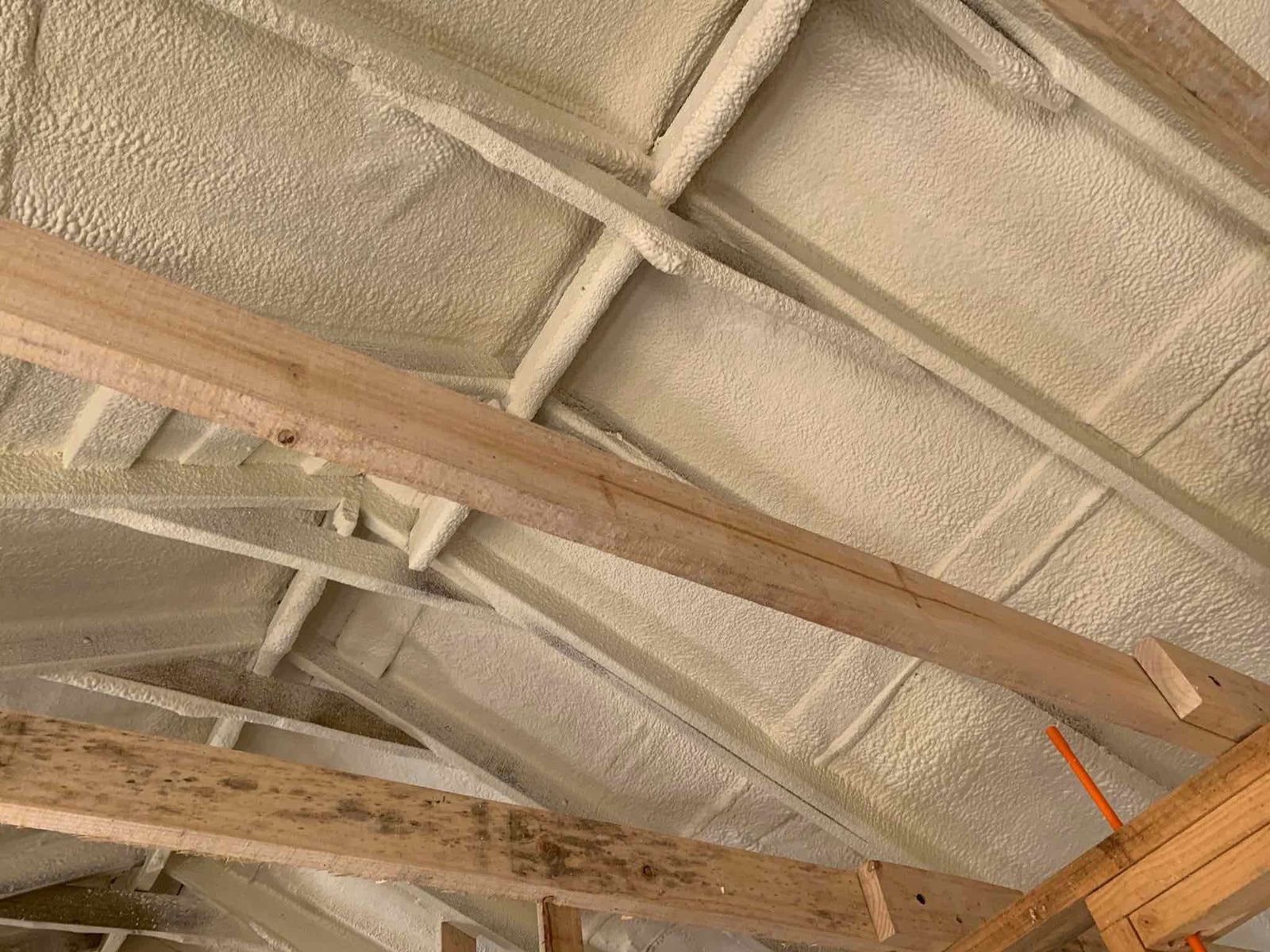
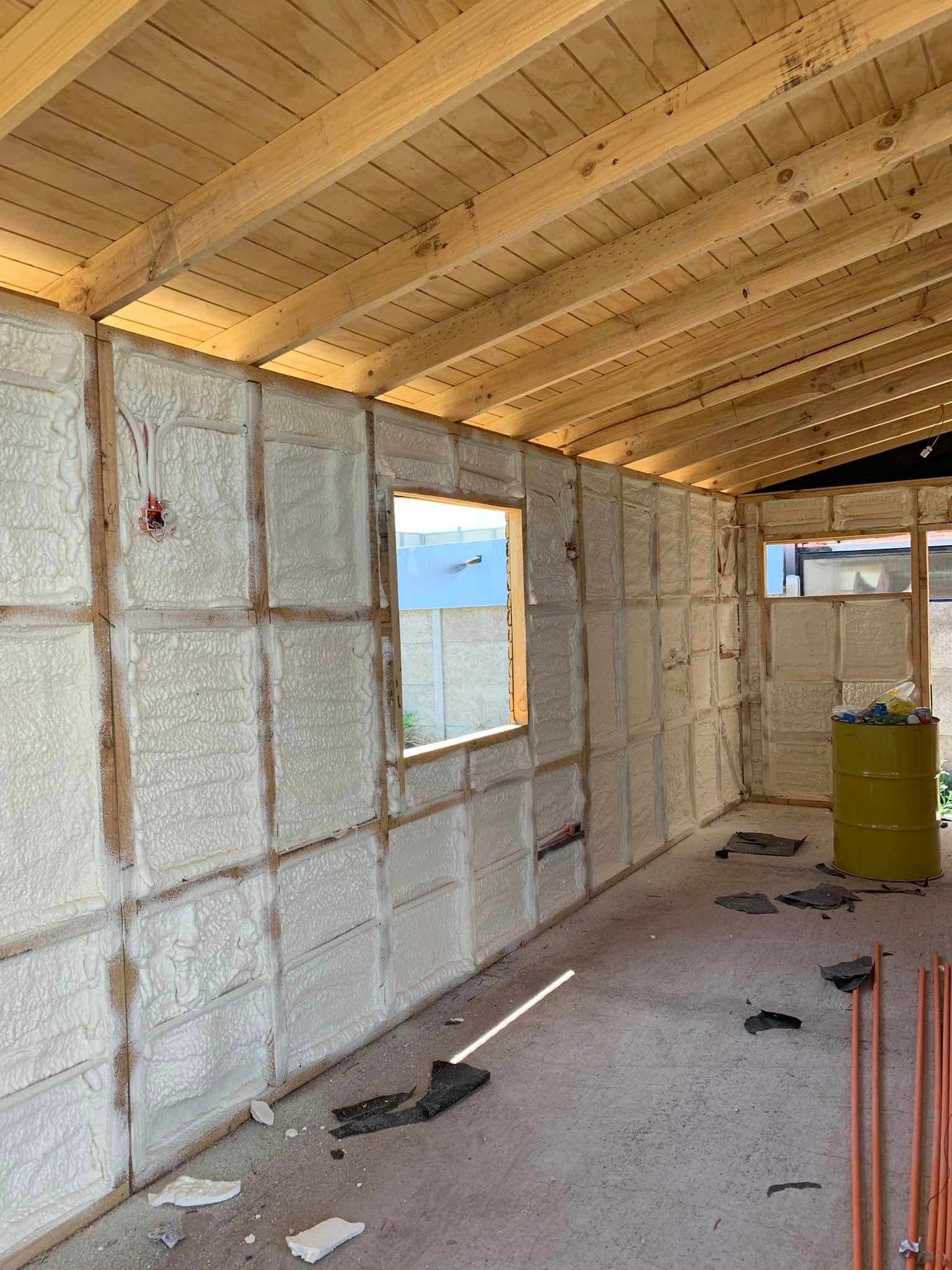
Closed cell rigid insulation represents a revolutionary advancement in building thermal protection technology, offering superior performance through its unique cellular structure and advanced manufacturing processes. This specialized insulation material consists of millions of individual cells that remain completely sealed, preventing air and moisture infiltration while delivering exceptional thermal resistance properties. The closed cell rigid insulation features a dense, impermeable structure where each microscopic cell operates independently, creating an effective barrier against heat transfer, moisture penetration, and air movement. Unlike traditional insulation materials, this innovative solution combines multiple protective functions within a single product, making it an ideal choice for various construction applications. The technological foundation of closed cell rigid insulation relies on advanced polymer chemistry and precision manufacturing techniques that create uniform cell structures throughout the material. These cells contain insulating gases that provide enhanced thermal performance while maintaining structural integrity over extended periods. The rigid nature of this insulation allows it to support structural loads while simultaneously providing thermal protection, making it suitable for applications where both insulation and structural support are required. Primary applications include residential and commercial roofing systems, foundation walls, exterior sheathing, and specialized industrial installations where moisture resistance and thermal efficiency are critical. The material excels in challenging environments where traditional insulation materials fail, such as areas with high humidity, temperature fluctuations, or potential water exposure. Installation versatility makes closed cell rigid insulation suitable for both new construction projects and retrofit applications, providing contractors with flexible solutions for diverse building requirements. The longevity of this insulation system ensures sustained performance throughout the building's lifespan, reducing maintenance costs and energy consumption while maintaining consistent indoor comfort levels.

New Product Recommendations

Closed cell rigid insulation delivers remarkable energy savings that directly translate into reduced utility bills and improved building performance throughout all seasons. This advanced insulation material creates an effective thermal barrier that prevents heat loss during winter months and blocks unwanted heat gain during summer periods, resulting in lower heating and cooling costs for property owners. The superior R-value per inch thickness means less material is required to achieve desired thermal performance compared to traditional insulation options, maximizing usable space while minimizing construction costs. Moisture resistance represents another significant advantage, as the closed cell structure prevents water absorption and eliminates concerns about mold growth, rot, or structural damage caused by moisture infiltration. This protective characteristic makes closed cell rigid insulation particularly valuable in basements, crawl spaces, and other areas prone to humidity issues. The material maintains its insulating properties even when exposed to moisture, unlike fibrous insulations that lose effectiveness when wet. Structural benefits include the ability to add rigidity and strength to building assemblies, reducing the need for additional structural components and streamlining construction processes. Installation efficiency provides contractors with time-saving advantages, as the rigid panels can be quickly positioned and secured without specialized equipment or complex procedures. The consistent thickness and uniform properties ensure predictable performance across the entire installation, eliminating thermal bridging and air leakage common with other insulation types. Durability characteristics ensure decades of reliable performance without settling, shrinking, or degrading, maintaining original thermal properties and structural integrity throughout the building's operational life. Environmental benefits include reduced energy consumption that lowers carbon footprint and supports sustainable building practices. The long-term performance reliability eliminates the need for frequent replacement or maintenance, reducing waste and supporting cost-effective building operations. Fire resistance properties provide additional safety benefits, as many closed cell rigid insulation products offer excellent fire ratings that contribute to overall building safety and code compliance requirements.

Practical Tips

Achieving Perfection: The Complete Guide to Professional Polyurea Application

06

Nov

Achieving Perfection: The Complete Guide to Professional Polyurea Application

View More
Polyurea: The Ultimate Protective Coating for Demanding Applications Across Industries

06

Nov

Polyurea: The Ultimate Protective Coating for Demanding Applications Across Industries

View More
Spray Foam Insulation: Unlocking the Full Potential of Your Build with the Right Choice

06

Nov

Spray Foam Insulation: Unlocking the Full Potential of Your Build with the Right Choice

View More

Get a Free Quote

Our representative will contact you soon.
Email
Whatsapp or Tel
Name
Company Name
Message
0/1000

closed cell rigid insulation

Exceptional Moisture Control and Vapor Barrier Properties

Exceptional Moisture Control and Vapor Barrier Properties

The outstanding moisture management capabilities of closed cell rigid insulation stem from its unique cellular architecture that creates an impervious barrier against water vapor and liquid moisture infiltration. Each individual cell within the insulation matrix remains completely sealed, preventing moisture from moving through the material and eliminating the risk of condensation within the insulation layer. This moisture control feature proves invaluable in preventing structural damage, mold growth, and indoor air quality issues that commonly occur with traditional insulation materials. The vapor barrier properties eliminate the need for separate vapor retarder installation in many applications, simplifying construction details and reducing potential failure points in the building envelope. Property owners benefit from enhanced protection against moisture-related problems such as wood rot, metal corrosion, and foundation damage that can result in costly repairs and health concerns. The closed cell rigid insulation maintains its thermal performance even in high-humidity environments where fibrous insulations would absorb moisture and lose effectiveness. This reliability ensures consistent energy savings and comfort levels regardless of seasonal humidity fluctuations or environmental conditions. Construction professionals appreciate the simplified installation process that eliminates the complexity of coordinating multiple moisture control layers, reducing labor costs and potential installation errors. The permanent moisture resistance characteristics provide long-term peace of mind, as the insulation will continue protecting the building structure throughout its operational lifespan without degradation or performance loss. Quality control testing demonstrates that closed cell rigid insulation maintains its moisture resistance properties under extreme conditions, including freeze-thaw cycles and prolonged exposure to high humidity levels. This durability translates into sustained building protection and energy efficiency that justifies the initial investment through reduced maintenance requirements and extended building component lifespan.
Superior Thermal Efficiency and R-Value Performance

Superior Thermal Efficiency and R-Value Performance

Closed cell rigid insulation achieves exceptional thermal efficiency through its advanced cellular structure that traps insulating gases within millions of sealed cells, delivering industry-leading R-value performance per inch of thickness. The high R-value characteristics enable building designers to achieve superior thermal performance using thinner insulation profiles, maximizing interior space while meeting or exceeding energy code requirements. This thermal efficiency advantage becomes particularly valuable in applications where space constraints limit insulation thickness, such as cathedral ceilings, thin wall assemblies, and retrofit projects. The consistent thermal performance eliminates thermal bridging and cold spots that compromise energy efficiency and occupant comfort in traditional insulation systems. Property owners experience reduced energy consumption that translates into substantial utility bill savings over the building's operational lifespan, often resulting in payback periods of just a few years through energy cost reductions. The stable R-value performance remains constant over time, as the sealed cell structure prevents settling, compression, or thermal drift that degrades other insulation materials. Professional installers benefit from predictable performance characteristics that ensure design calculations accurately reflect actual building performance, reducing callbacks and warranty issues. The high thermal resistance properties enable compliance with increasingly stringent energy codes while providing flexibility in building design and construction methods. Seasonal performance consistency ensures reliable comfort and energy savings throughout all weather conditions, from extreme winter cold to summer heat waves. Laboratory testing confirms that closed cell rigid insulation maintains its thermal properties under various environmental stresses, including temperature cycling, humidity exposure, and aging conditions. The exceptional R-value efficiency supports sustainable building practices by reducing energy consumption and associated carbon emissions, contributing to green building certification programs and environmental responsibility goals.
Structural Support and Building Envelope Integration

Structural Support and Building Envelope Integration

The structural capabilities of closed cell rigid insulation provide valuable load-bearing support that enhances building performance while simplifying construction details and reducing material requirements. This dual-function characteristic allows the insulation to serve as both thermal protection and structural sheathing, eliminating the need for separate sheathing materials in many applications. The compressive strength properties enable the material to support significant loads without compression or deformation, maintaining consistent thickness and thermal performance under structural stress. Building designers can utilize these structural benefits to optimize framing systems, reduce lumber requirements, and create more efficient building assemblies that lower overall construction costs. The rigid panel format facilitates precise installation and creates continuous insulation layers that eliminate thermal bridging common with cavity-based insulation systems. Construction crews appreciate the ease of handling and installation, as the panels can be cut to size and secured using standard fastening methods without specialized tools or training. The dimensional stability ensures that joints remain tight and thermal performance is maintained throughout the building's operational life, preventing air leakage and energy loss. Quality control manufacturing processes guarantee consistent thickness and density that support reliable structural calculations and thermal modeling. The integration capabilities allow closed cell rigid insulation to function as part of the air barrier system, further enhancing building envelope performance and reducing construction complexity. Racking resistance properties contribute to overall building structural integrity, particularly in applications such as shear walls and roof assemblies where lateral forces must be transferred. The compatibility with various cladding systems and finishes provides architectural flexibility while maintaining superior thermal and structural performance. Professional engineers recognize the value of incorporating structural insulation into building designs, as it simplifies details, reduces potential failure points, and improves overall system reliability and performance.
High-Performance Closed Cell Rigid Insulation: Superior Thermal Protection and Moisture Control Solutions

Get a Free Quote

Our representative will contact you soon.
Email
Whatsapp or Tel
Name
Company Name
Message
0/1000

Get a Free Quote

Our representative will contact you soon.
Email
Whatsapp or Tel
Name
Company Name
Message
0/1000