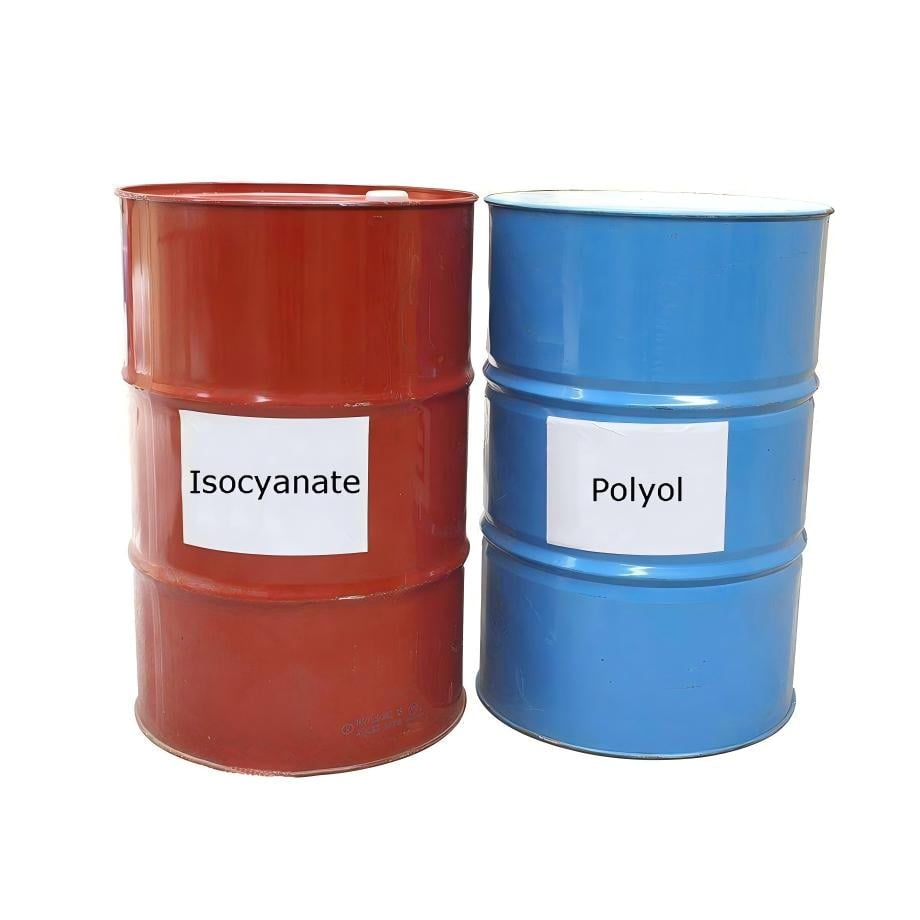
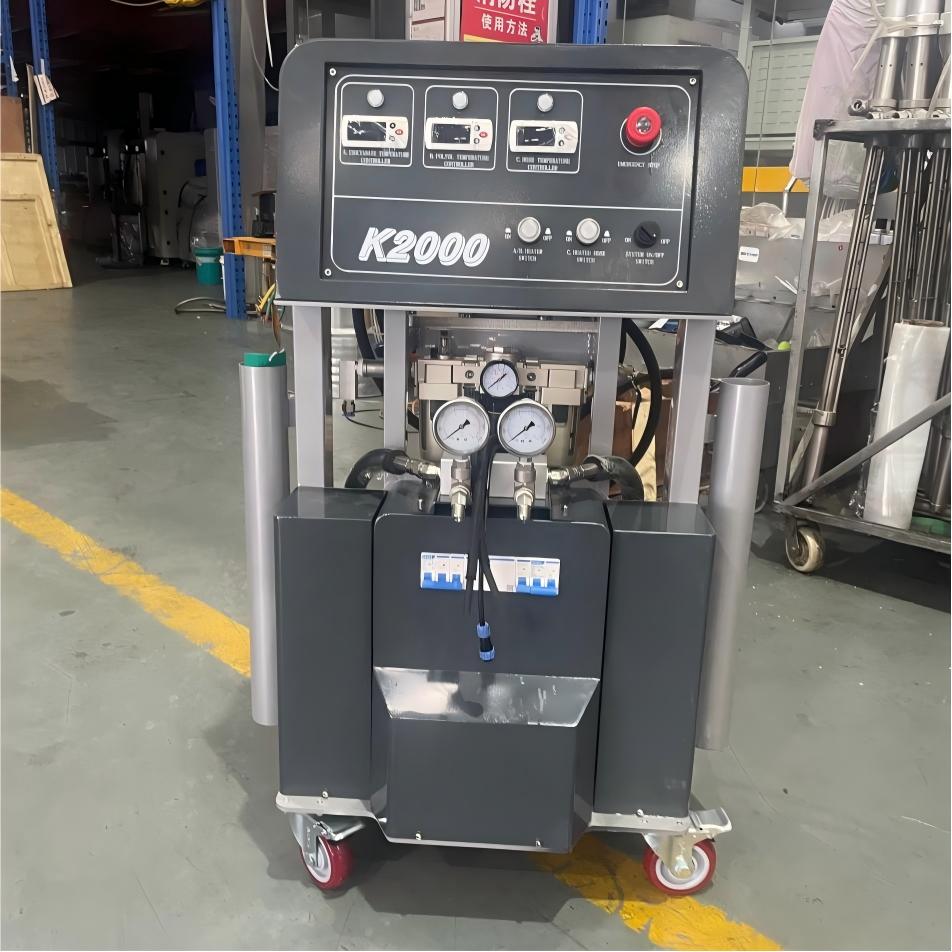
High Density Closed Cell Foam Solutions - Superior Insulation, Moisture Resistance & Structural Performance

Get a Free Quote

Our representative will contact you soon.
Email
Whatsapp or Tel
Name
Company Name
Message
0/1000

high density closed cell foam

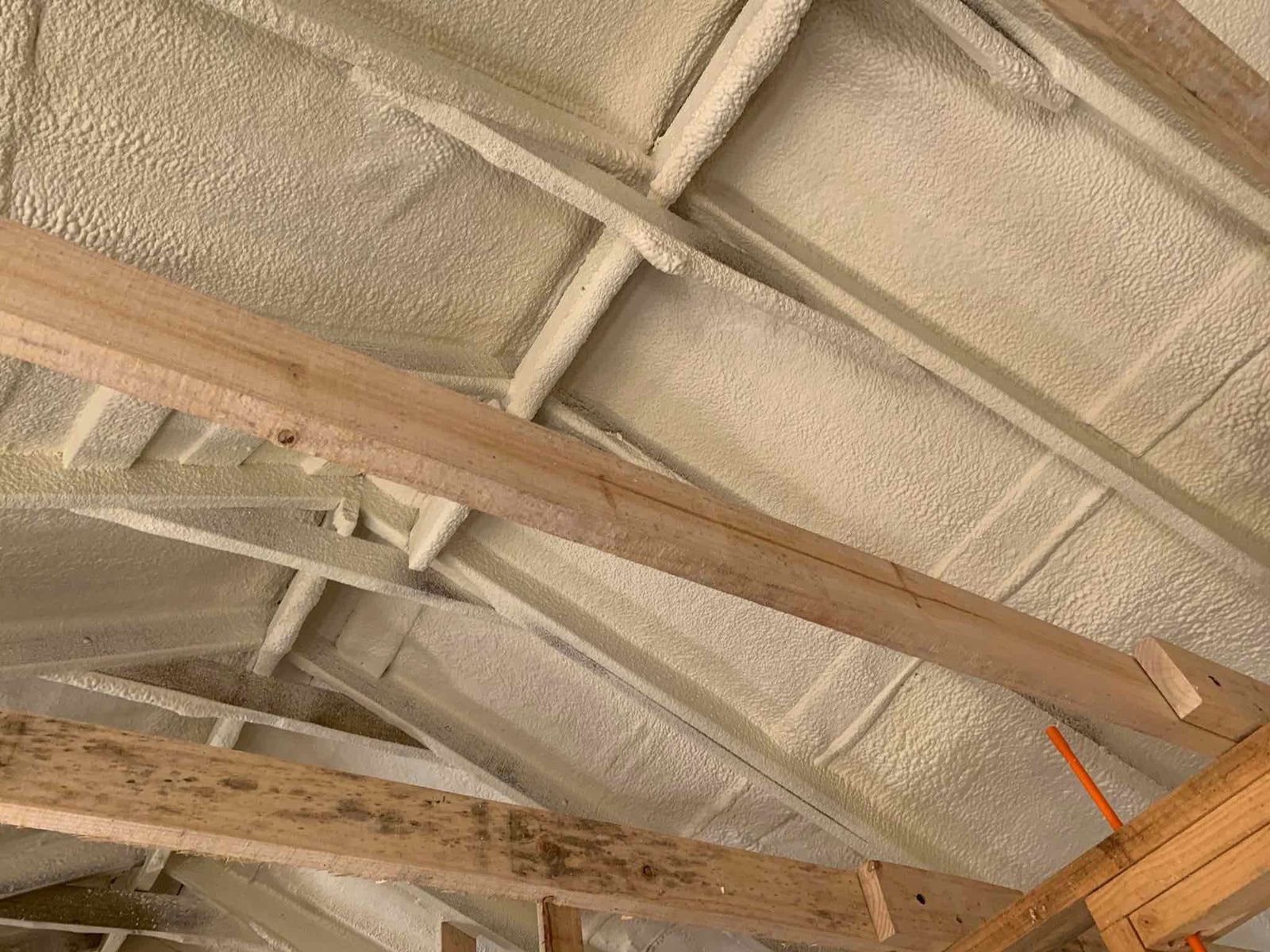
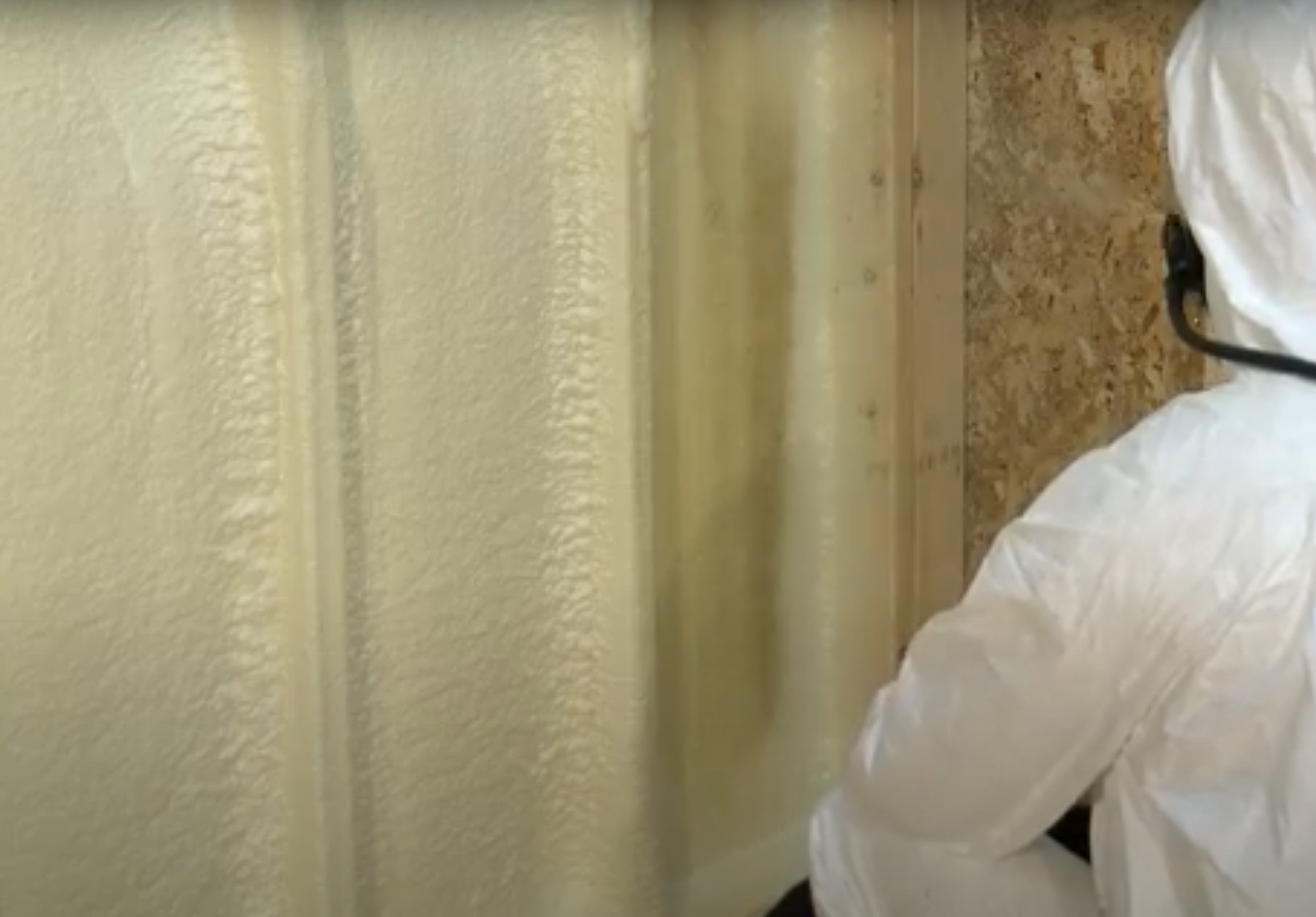
High density closed cell foam represents a revolutionary material technology that combines exceptional structural integrity with versatile performance characteristics. This advanced foam material features a unique cellular structure where individual cells remain completely sealed and isolated from one another, creating a barrier that prevents air, moisture, and other substances from penetrating through the material. The high density configuration ensures superior strength-to-weight ratios while maintaining consistent performance under various environmental conditions. This innovative foam solution incorporates cutting-edge manufacturing processes that control cell formation and distribution, resulting in uniform density throughout the entire material structure. The closed cell architecture provides inherent buoyancy properties, making it ideal for marine applications and water-resistant installations. Temperature stability remains consistent across wide ranges, from extreme cold to elevated heat conditions, ensuring reliable performance in diverse environments. The material exhibits excellent chemical resistance, withstanding exposure to various acids, bases, and organic solvents without degradation. Dimensional stability proves exceptional, with minimal expansion or contraction under thermal cycling conditions. Installation versatility allows for easy cutting, shaping, and fitting to complex geometries without compromising structural integrity. The foam's low permeability characteristics make it particularly suitable for applications requiring moisture barriers and vapor control. Manufacturing consistency ensures predictable performance characteristics across different production batches, providing reliability for critical applications. The material maintains its properties over extended periods, offering long-term value through reduced maintenance requirements and extended service life. Environmental considerations include recyclability options and sustainable manufacturing practices that minimize waste production. Quality control standards ensure each batch meets stringent specifications for density, cell structure, and performance parameters, guaranteeing consistent results for end users.

Popular Products

High density closed cell foam delivers remarkable benefits that transform how industries approach insulation, protection, and structural challenges. The primary advantage stems from its exceptional thermal insulation properties, which significantly reduce energy consumption in buildings, refrigeration systems, and industrial processes. This foam creates an effective thermal barrier that maintains consistent temperatures while minimizing heat transfer, leading to substantial cost savings on heating and cooling expenses. The moisture resistance capabilities provide outstanding protection against water infiltration, preventing mold growth, structural damage, and material degradation that commonly affect other insulation materials. Users experience peace of mind knowing their installations remain protected from humidity, condensation, and direct water exposure. Mechanical strength characteristics exceed those of traditional foam materials, offering superior load-bearing capacity and impact resistance without adding excessive weight to structures. This combination allows architects and engineers to design lighter yet stronger constructions, reducing material costs and simplifying installation procedures. The chemical resistance properties ensure long-term durability when exposed to harsh environmental conditions, including industrial chemicals, salt water, and UV radiation, making it perfect for demanding applications. Maintenance requirements remain minimal due to the foam's stable structure and resistance to deterioration, reducing lifecycle costs and extending replacement intervals. Installation efficiency improves dramatically because the material cuts cleanly, shapes easily, and adheres well to various surfaces without requiring specialized tools or extensive preparation. The dimensional stability prevents warping, shrinking, or expanding that could compromise sealing effectiveness or structural integrity over time. Fire resistance properties meet stringent building codes and safety standards, providing additional protection for occupants and property. The versatility allows application across multiple industries, from aerospace and automotive to construction and marine environments. Cost-effectiveness becomes apparent through reduced material usage, simplified installation processes, and extended service life compared to alternative materials. Environmental benefits include energy savings, reduced waste, and potential for recycling, supporting sustainability goals while delivering superior performance.

Tips And Tricks

Achieving Perfection: The Complete Guide to Professional Polyurea Application

06

Nov

Achieving Perfection: The Complete Guide to Professional Polyurea Application

View More
Polyurea: The Ultimate Protective Coating for Demanding Applications Across Industries

06

Nov

Polyurea: The Ultimate Protective Coating for Demanding Applications Across Industries

View More
Spray Foam Insulation: Unlocking the Full Potential of Your Build with the Right Choice

06

Nov

Spray Foam Insulation: Unlocking the Full Potential of Your Build with the Right Choice

View More

Get a Free Quote

Our representative will contact you soon.
Email
Whatsapp or Tel
Name
Company Name
Message
0/1000

high density closed cell foam

Superior Thermal Insulation Performance

Superior Thermal Insulation Performance

High density closed cell foam revolutionizes thermal management through its advanced cellular architecture that creates millions of independent air pockets, each acting as a microscopic insulation barrier. This sophisticated structure achieves remarkable R-values per inch thickness, delivering thermal performance that surpasses traditional insulation materials by significant margins. The closed cell configuration prevents thermal bridging, a common problem where heat transfers through continuous materials, ensuring consistent temperature control across entire surfaces. Engineering studies demonstrate that buildings using this foam technology achieve energy efficiency improvements of 25-40 percent compared to conventional insulation methods. The material's low thermal conductivity coefficient remains stable across temperature ranges, maintaining effectiveness in both extreme cold and high heat conditions. This consistency proves crucial for applications requiring precise temperature control, such as pharmaceutical storage, food processing facilities, and sensitive electronic equipment housing. Installation benefits include reduced thickness requirements, allowing more usable space while achieving superior insulation performance. The foam's ability to conform to irregular surfaces eliminates gaps and thermal weak points that compromise other insulation systems. Manufacturing facilities report significant reductions in heating and cooling costs after retrofitting with high density closed cell foam, with payback periods typically ranging from 18 to 36 months. The material's thermal stability prevents performance degradation over time, ensuring long-term energy savings and consistent comfort levels. Quality testing protocols verify thermal performance under various conditions, including moisture exposure, temperature cycling, and mechanical stress, confirming reliability for critical applications. Environmental impact reduction occurs through decreased energy consumption, supporting green building initiatives and sustainability goals while providing superior comfort and operational efficiency.
Exceptional Moisture and Water Resistance

Exceptional Moisture and Water Resistance

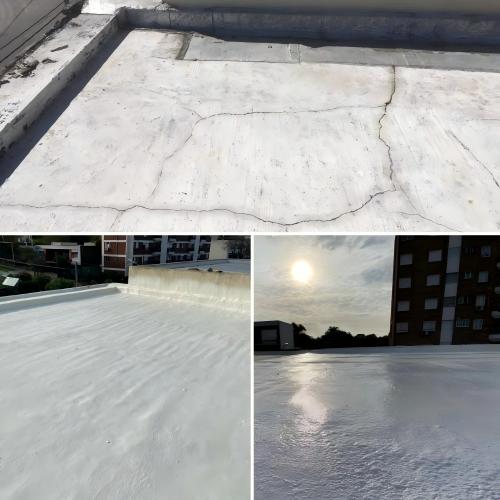
High density closed cell foam provides unparalleled moisture protection through its impermeable cellular structure that completely blocks water vapor transmission and liquid penetration. Each sealed cell acts as an individual moisture barrier, creating a continuous protection system that prevents water infiltration even under high pressure conditions. This comprehensive moisture resistance eliminates common problems associated with traditional materials, including mold growth, mildew formation, rot, and structural deterioration that compromise building integrity and indoor air quality. Marine applications benefit tremendously from this technology, as the foam maintains its properties when submerged in water for extended periods without absorbing moisture or losing buoyancy characteristics. Construction projects in humid climates achieve superior long-term performance because the foam prevents condensation within wall cavities, eliminating moisture-related damage that affects other insulation materials. The material's low water absorption rate, typically less than 1 percent by volume, ensures dimensional stability and prevents the weight gain that degrades other foam types. Basement and foundation applications particularly benefit from this moisture resistance, as the foam prevents groundwater infiltration and eliminates the need for additional vapor barriers in many installations. HVAC systems operate more efficiently when protected by this foam because moisture control prevents condensation that reduces thermal efficiency and promotes bacterial growth. Food processing and pharmaceutical facilities rely on this moisture protection to maintain sanitary conditions and prevent contamination that could compromise product quality. Testing protocols include submersion tests, vapor transmission measurements, and long-term exposure studies that confirm the material's ability to maintain moisture resistance under various environmental conditions. Installation advantages include simplified waterproofing procedures and reduced need for additional moisture control measures, streamlining construction processes while improving overall building performance and durability.
Outstanding Structural Strength and Durability

Outstanding Structural Strength and Durability

High density closed cell foam demonstrates exceptional mechanical properties that combine impressive compressive strength with remarkable durability, creating solutions that withstand demanding structural and environmental challenges. The foam's cellular architecture distributes loads uniformly across its structure, achieving compressive strengths that rival many traditional construction materials while maintaining significantly lower weight characteristics. This strength-to-weight ratio proves invaluable in applications where load-bearing capacity must be maximized without adding excessive structural mass. Aerospace applications utilize this technology for component manufacturing where every pound matters, yet structural integrity cannot be compromised under extreme conditions including rapid pressure changes, temperature fluctuations, and mechanical stress. The material's fatigue resistance ensures consistent performance under repeated loading cycles, making it ideal for dynamic applications such as vibration dampening, impact absorption, and structural cushioning systems. Long-term durability testing demonstrates the foam maintains its mechanical properties for decades under normal operating conditions, with minimal degradation from environmental exposure, chemical contact, or thermal cycling. Impact resistance characteristics protect sensitive equipment and structures from damage during transportation, installation, and operation, reducing maintenance costs and extending service life. The foam's cellular structure absorbs and distributes impact energy effectively, preventing crack propagation and structural failure that affect brittle materials. Quality control measures include compression testing, impact analysis, and accelerated aging studies that verify consistent mechanical performance across production batches. Construction applications benefit from the foam's ability to support structural loads while providing insulation and moisture protection, simplifying building design and reducing material requirements. Industrial equipment protection relies on this durability to maintain operational efficiency in harsh environments where traditional materials fail prematurely, ensuring continuous productivity and reduced downtime costs.
High Density Closed Cell Foam Solutions - Superior Insulation, Moisture Resistance & Structural Performance

Get a Free Quote

Our representative will contact you soon.
Email
Whatsapp or Tel
Name
Company Name
Message
0/1000

Get a Free Quote

Our representative will contact you soon.
Email
Whatsapp or Tel
Name
Company Name
Message
0/1000