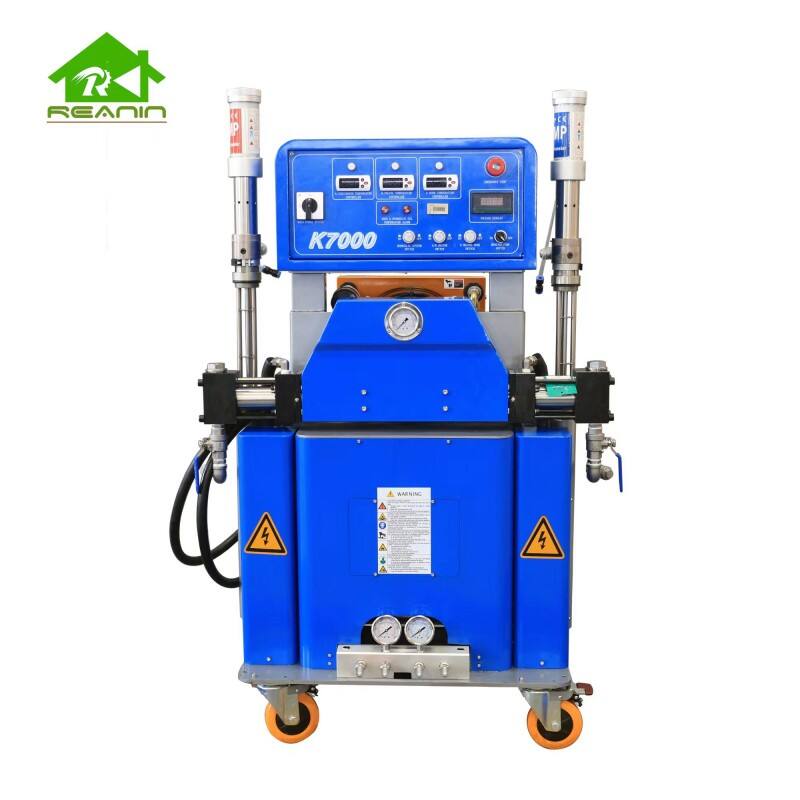
spray applied polyurethane foam insulation
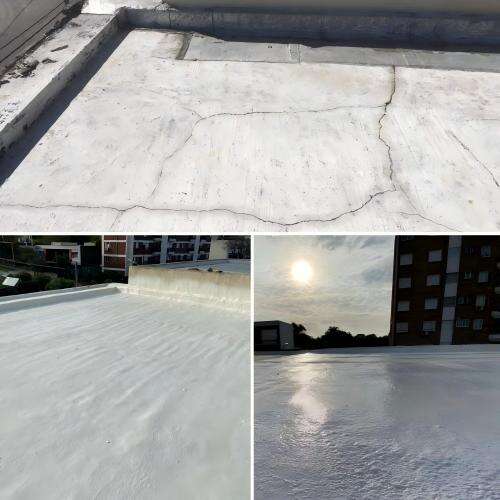
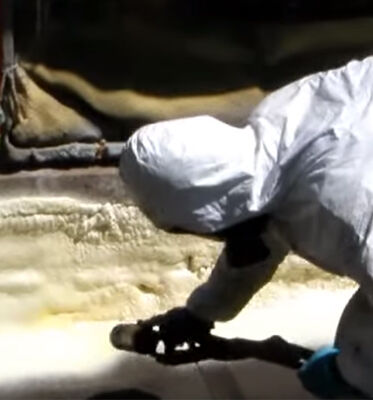
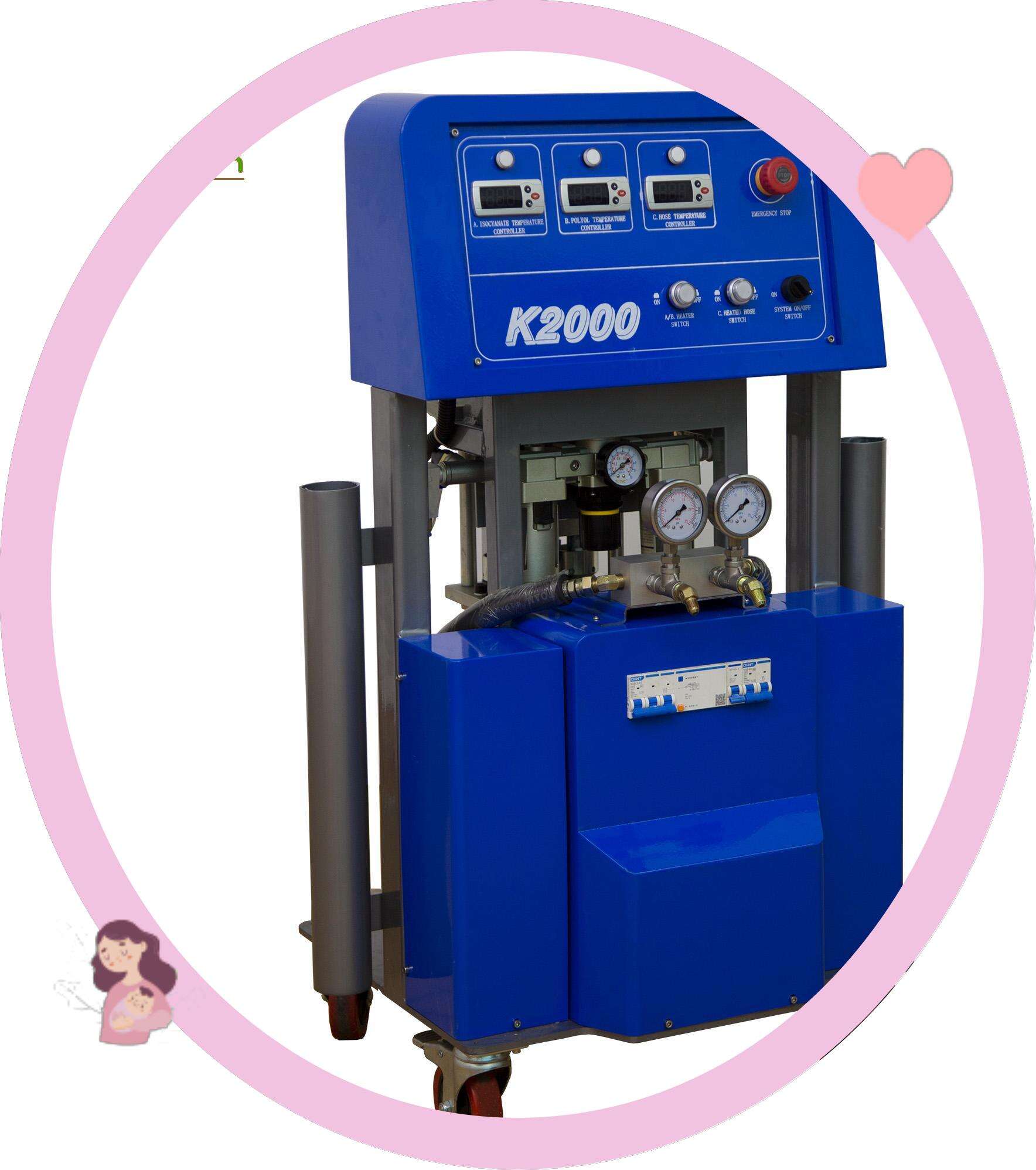
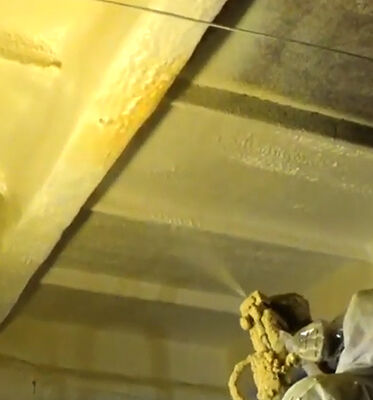
Spray applied polyurethane foam insulation represents a cutting-edge building solution that transforms liquid components into an expanding foam barrier directly on-site. This revolutionary insulation method combines two liquid chemicals - isocyanate and polyol resin - which react upon contact to create a seamless, continuous protective layer. The spray applied polyurethane foam insulation system operates through specialized equipment that precisely mixes and applies these components at the point of installation, ensuring optimal chemical reaction and expansion properties. The main functions of spray applied polyurethane foam insulation encompass thermal regulation, moisture control, air sealing, and structural reinforcement. As a comprehensive building envelope solution, it simultaneously addresses multiple performance requirements that traditional insulation materials handle separately. The technological features include rapid curing times, exceptional adhesion properties, and customizable density options ranging from open-cell to closed-cell formulations. Open-cell spray applied polyurethane foam insulation provides superior sound dampening and flexibility, while closed-cell variants offer enhanced moisture resistance and structural integrity. The application process requires trained professionals using specialized spray equipment that maintains precise temperature and pressure controls to ensure consistent results. This technology adapts to irregular surfaces, complex geometries, and hard-to-reach areas where conventional insulation materials prove inadequate. Applications span residential, commercial, and industrial sectors, including attics, crawl spaces, exterior walls, roofing systems, and refrigerated storage facilities. The spray applied polyurethane foam insulation excels in retrofitting existing structures and new construction projects alike, providing architects and builders with versatile solutions for energy efficiency challenges. Its seamless application eliminates thermal bridging and creates monolithic barriers that significantly reduce energy consumption while improving indoor comfort levels.
 ×
×




 EN
EN