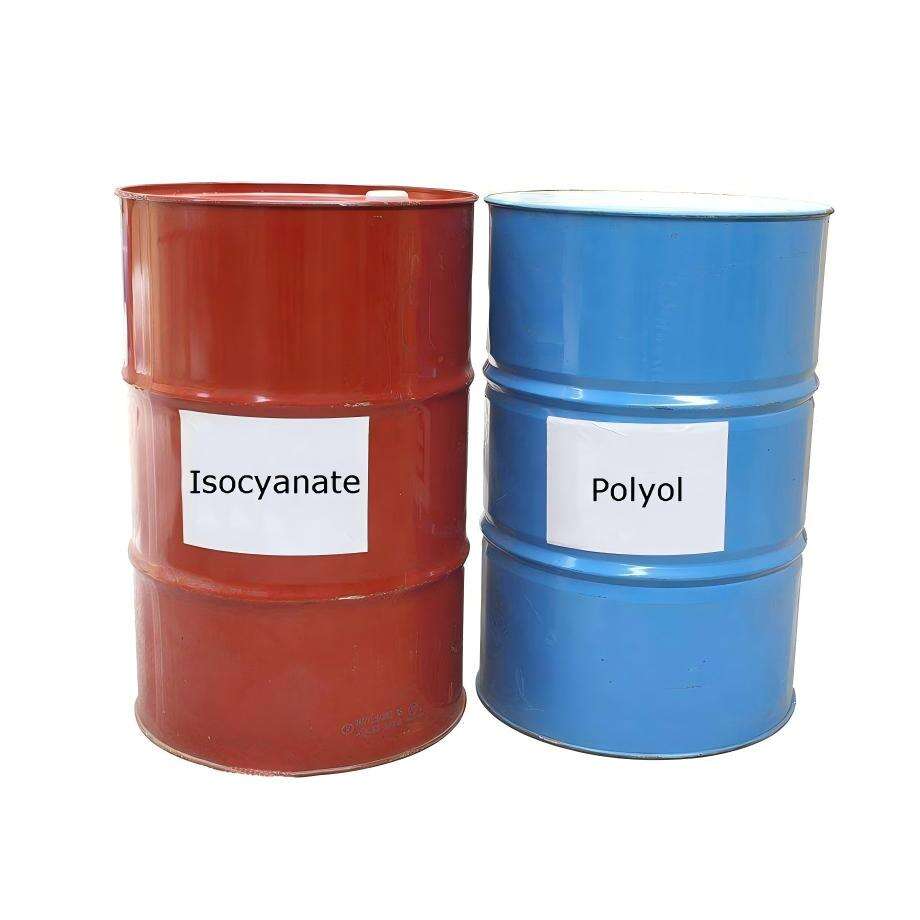
polyurethane closed cell spray foam
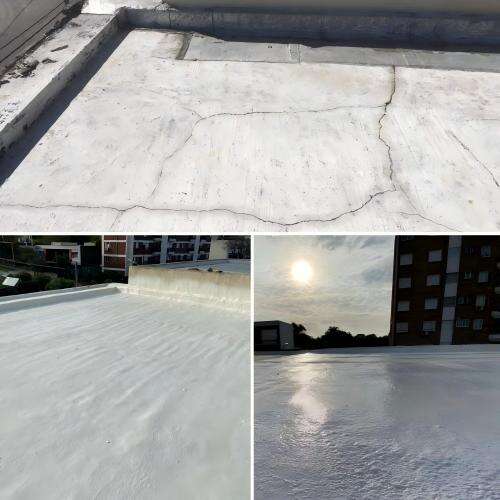
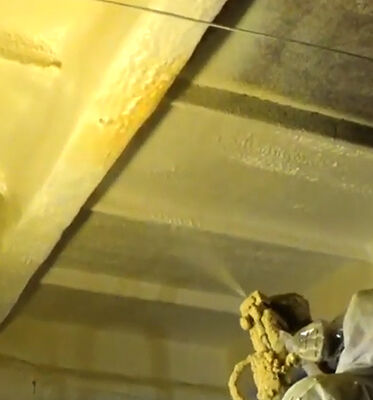
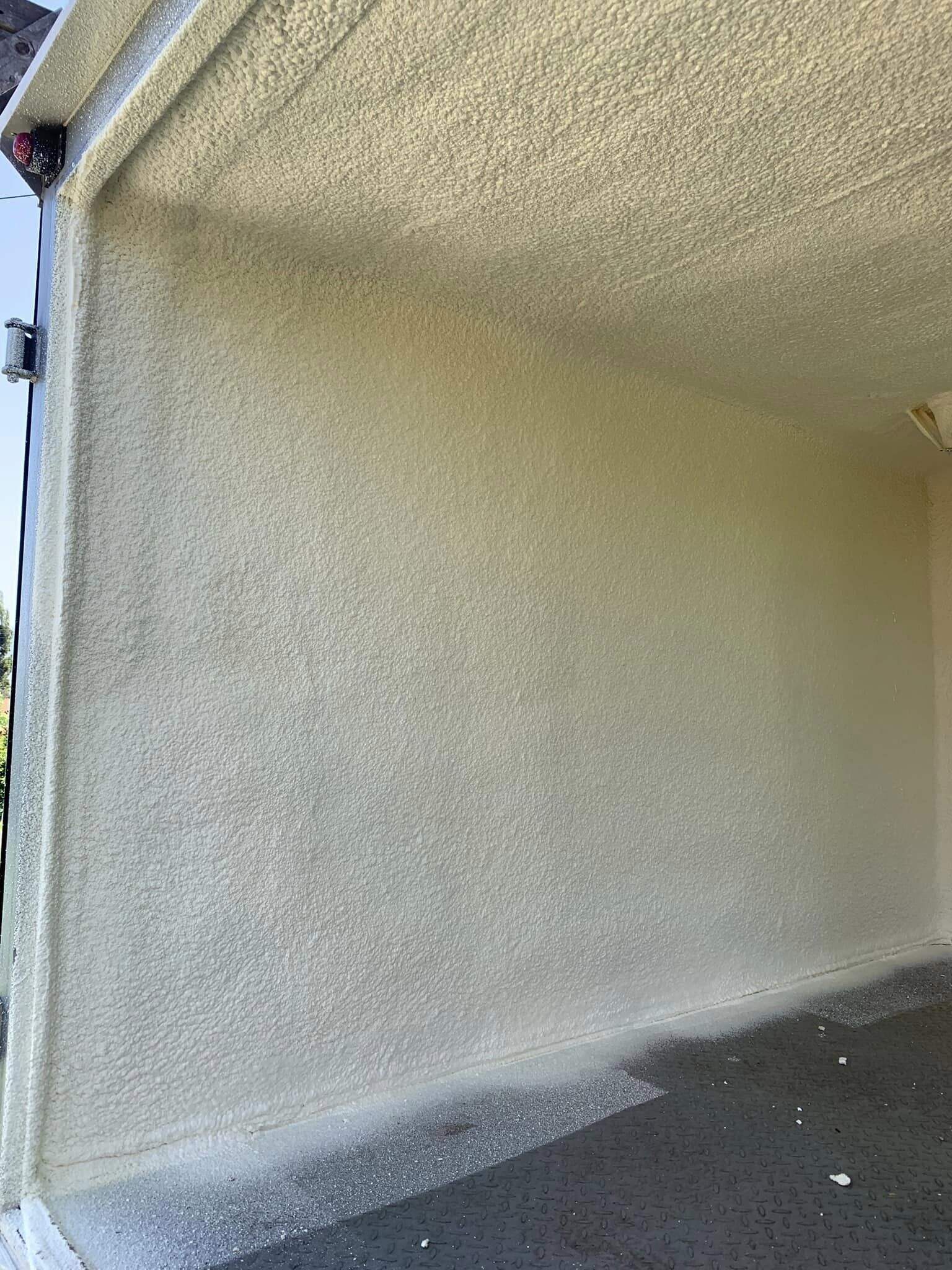
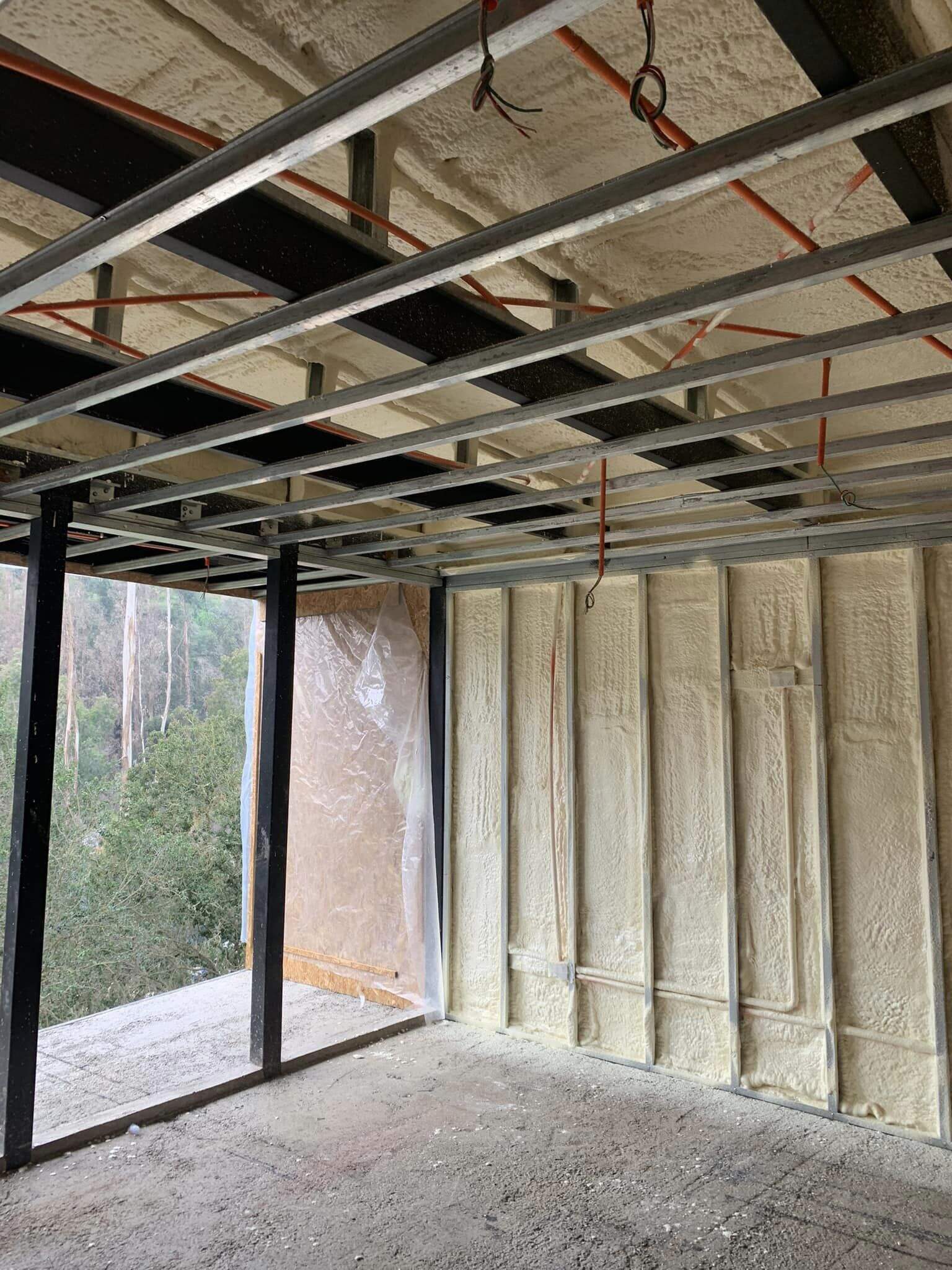
Polyurethane closed cell spray foam represents a revolutionary insulation solution that combines exceptional thermal performance with structural integrity. This advanced material is created through a chemical reaction between isocyanate and polyol components, which when mixed and applied, expands to form a dense, rigid foam structure. The closed-cell configuration means that individual cells within the foam are sealed, creating tiny air pockets that significantly enhance the material's insulating properties while providing superior moisture resistance. The technological backbone of polyurethane closed cell spray foam lies in its unique molecular structure, which achieves R-values ranging from 6 to 7 per inch of thickness, making it one of the most efficient insulation materials available in the construction industry. The spray application method allows the foam to conform perfectly to irregular surfaces, filling gaps and creating a seamless barrier that eliminates thermal bridging. This technology incorporates blowing agents that help achieve the desired density and cellular structure, typically resulting in a final product with densities between 1.7 to 2.2 pounds per cubic foot. The applications for polyurethane closed cell spray foam extend across residential, commercial, and industrial sectors. In residential construction, it serves as an excellent choice for attic insulation, basement walls, crawl spaces, and rim joists. Commercial applications include roofing systems, cold storage facilities, warehouses, and office buildings where energy efficiency is paramount. Industrial uses encompass refrigeration units, manufacturing facilities, and specialized storage areas requiring precise temperature control. The foam's adhesive properties allow it to bond directly to various substrates including wood, metal, concrete, and masonry, eliminating the need for additional fasteners or adhesives. Its rapid curing time, typically achieving full strength within 24 hours, makes it an efficient solution for both new construction and retrofit projects, significantly reducing installation time compared to traditional insulation methods.
 ×
×




 EN
EN