Ultimate Guide to Polyurethane Spray Foam Insulation: Benefits, Performance, and Applications

Get a Free Quote

Our representative will contact you soon.
Email
Whatsapp or Tel
Name
Company Name
Message
0/1000

polyurethane spray foam insulation

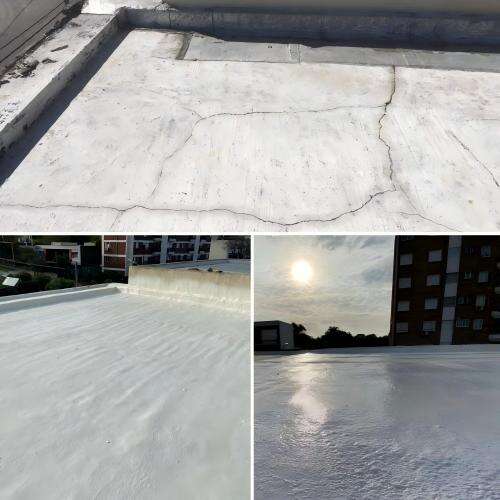
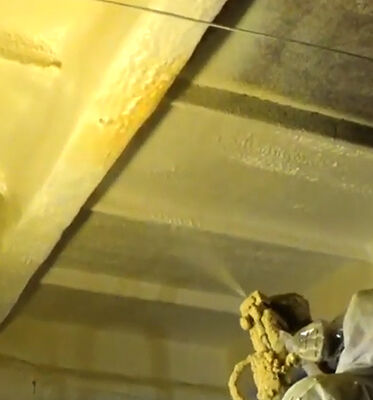
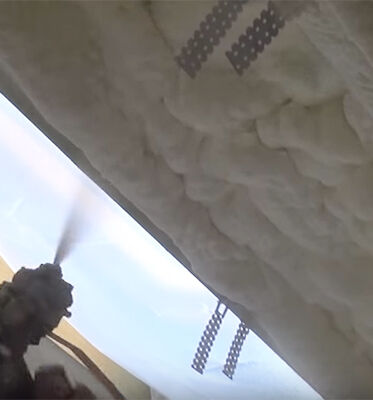
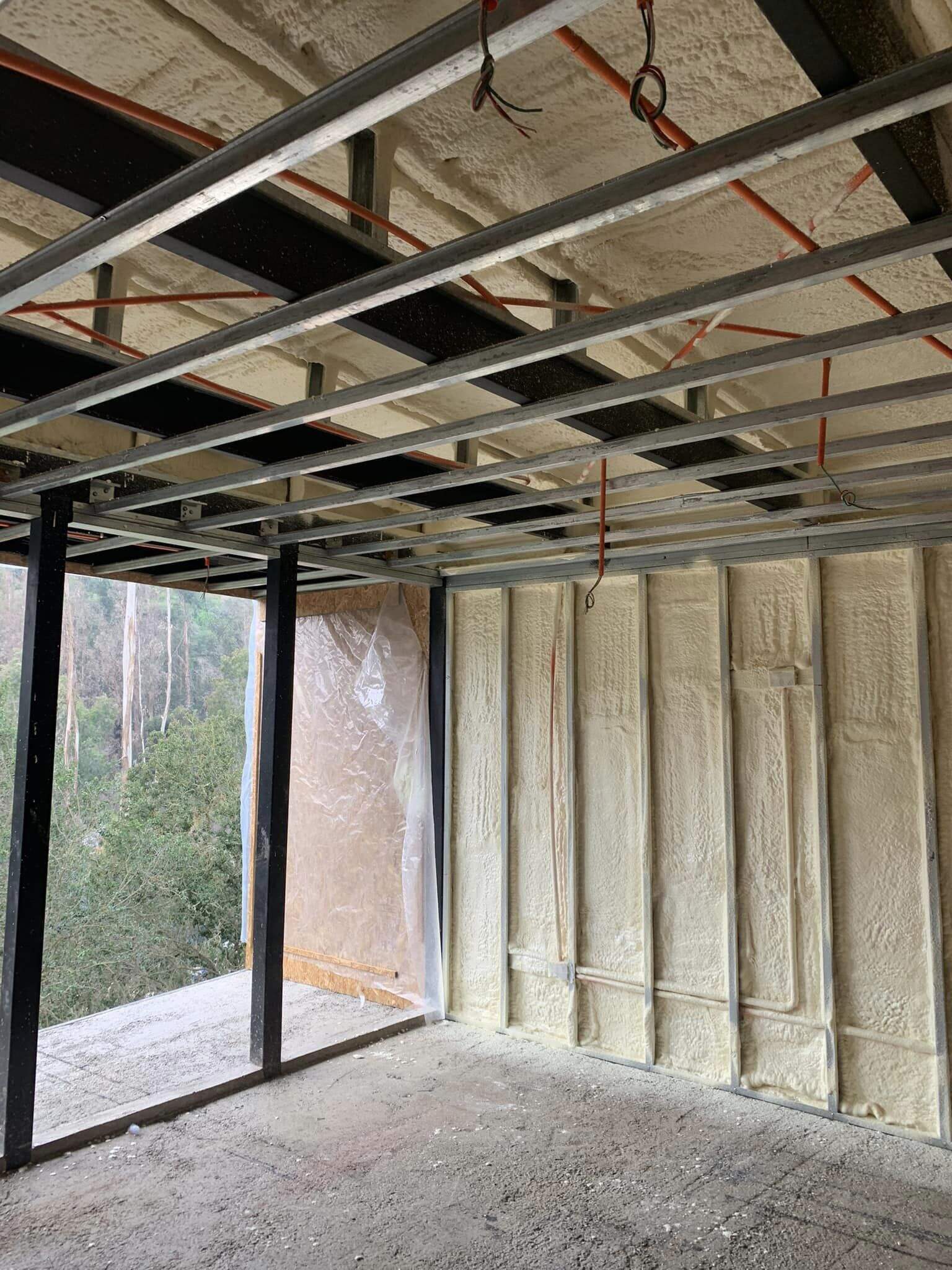
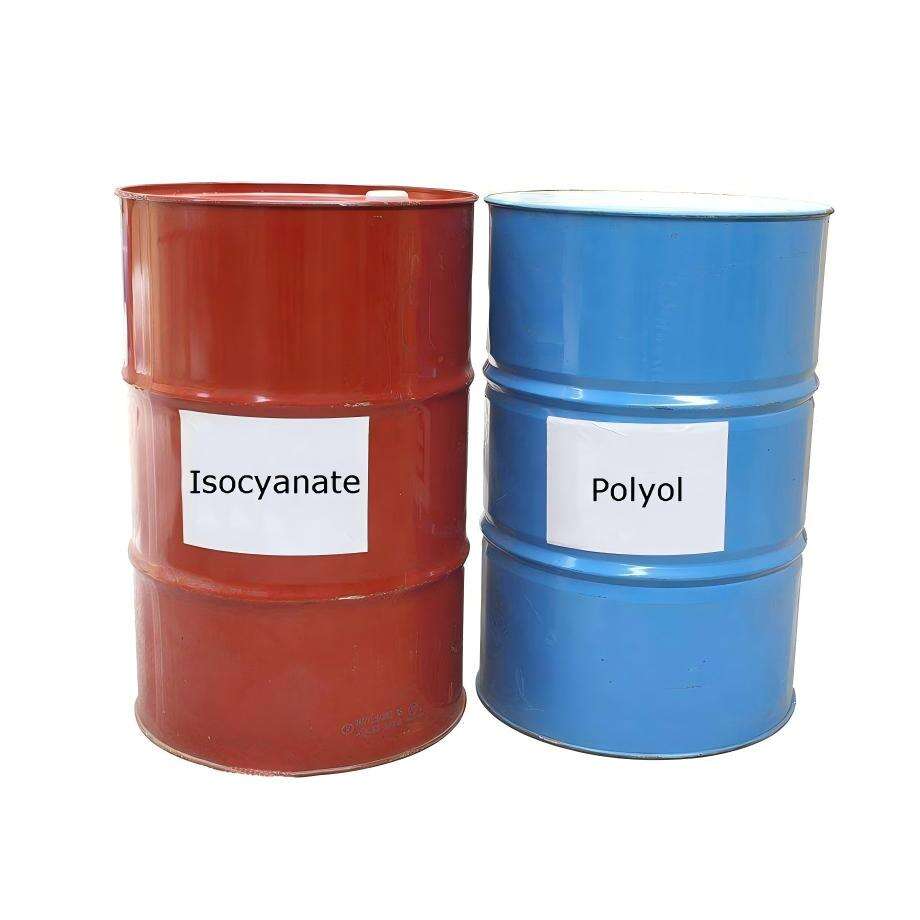
Polyurethane spray foam insulation represents a cutting-edge building material that transforms how we approach thermal efficiency and energy conservation in residential and commercial structures. This innovative insulation system consists of two liquid components that, when combined through specialized equipment, create an expanding foam that hardens into a durable, seamless barrier. The chemical reaction between isocyanate and polyol creates a closed-cell or open-cell foam structure that adheres directly to surfaces, forming an airtight seal that conventional insulation materials cannot match. The technology behind polyurethane spray foam insulation involves precise mixing ratios and controlled application temperatures to ensure optimal performance characteristics. Professional installers use high-pressure spray equipment to apply the material, which expands up to thirty times its liquid volume within seconds of application. This expansion property allows the foam to fill every crack, crevice, and irregular space, creating a continuous thermal envelope that eliminates thermal bridging and air infiltration. The main functions of polyurethane spray foam insulation include superior thermal resistance, moisture barrier protection, structural reinforcement, and air sealing capabilities. Unlike traditional insulation materials such as fiberglass batts or cellulose, this spray-applied system creates a monolithic barrier that addresses multiple building performance issues simultaneously. The technological features include excellent adhesion properties, dimensional stability over time, and resistance to settling or degrading. Applications for polyurethane spray foam insulation span across residential attics, basements, crawl spaces, exterior walls, and commercial buildings including warehouses, industrial facilities, and agricultural structures. The versatility of this insulation system makes it suitable for new construction projects as well as retrofit applications where existing insulation has failed or proven inadequate.

New Products

Polyurethane spray foam insulation delivers exceptional energy savings that directly translate to reduced utility bills throughout the year. Homeowners typically experience twenty to fifty percent reductions in heating and cooling costs after installation, making this investment pay for itself over time through consistent energy savings. The superior R-value per inch surpasses traditional insulation materials, providing maximum thermal resistance in minimal space, which proves particularly valuable in areas with limited cavity depth or complex architectural features. Air sealing capabilities eliminate drafts and uncomfortable temperature variations that plague buildings with conventional insulation systems. This comprehensive air barrier prevents conditioned air from escaping while blocking outside air infiltration, creating more consistent indoor temperatures and reducing strain on HVAC systems. The moisture control properties protect structural components from humidity-related damage, preventing mold growth, wood rot, and metal corrosion that can compromise building integrity and indoor air quality. Structural enhancement occurs as the rigid foam adds measurable strength to walls and roof systems, improving overall building stability and resistance to wind loads. Installation speed surpasses other insulation methods because spray application covers large areas quickly while simultaneously addressing air sealing, moisture control, and thermal resistance in a single step. This efficiency reduces labor costs and project timelines compared to multi-step insulation installations. Durability ensures long-term performance without settling, sagging, or deteriorating like traditional materials that may require replacement or supplementation over time. The seamless application eliminates gaps and voids that commonly occur with batt or blown insulation, ensuring consistent thermal performance across the entire building envelope. Environmental benefits include reduced energy consumption that lowers carbon footprints and supports sustainability goals. Sound dampening qualities create quieter indoor environments by reducing noise transmission through walls and ceilings. Pest resistance helps prevent rodent and insect infiltration through small openings that other insulation types cannot adequately seal. Chemical resistance maintains performance characteristics despite exposure to various environmental conditions and building materials.

Practical Tips

Achieving Perfection: The Complete Guide to Professional Polyurea Application

06

Nov

Achieving Perfection: The Complete Guide to Professional Polyurea Application

View More
Polyurea: The Ultimate Protective Coating for Demanding Applications Across Industries

06

Nov

Polyurea: The Ultimate Protective Coating for Demanding Applications Across Industries

View More
Spray Foam Insulation: Unlocking the Full Potential of Your Build with the Right Choice

06

Nov

Spray Foam Insulation: Unlocking the Full Potential of Your Build with the Right Choice

View More

Get a Free Quote

Our representative will contact you soon.
Email
Whatsapp or Tel
Name
Company Name
Message
0/1000

polyurethane spray foam insulation

Superior Thermal Performance and Energy Efficiency

Superior Thermal Performance and Energy Efficiency

Polyurethane spray foam insulation achieves unmatched thermal performance through its exceptional R-value ratings that significantly exceed conventional insulation materials. Closed-cell polyurethane spray foam insulation delivers R-6 to R-7 per inch of thickness, while open-cell varieties provide R-3.5 to R-4 per inch, compared to fiberglass batts that typically achieve only R-2.5 to R-3.5 per inch. This superior thermal resistance means thinner applications achieve equivalent or better insulation performance, maximizing usable space within building cavities while delivering enhanced energy efficiency. The closed-cell structure creates microscopic air pockets that resist heat transfer through conduction, convection, and radiation, establishing a comprehensive thermal barrier that maintains consistent indoor temperatures regardless of external weather conditions. Energy audits consistently demonstrate that buildings insulated with polyurethane spray foam insulation consume twenty-five to forty percent less energy for heating and cooling compared to structures with traditional insulation systems. This dramatic energy reduction results from the foam's ability to eliminate thermal bridging through framing members and its seamless application that prevents air leakage around electrical outlets, plumbing penetrations, and architectural details. The long-term energy savings accumulate substantially over the building's lifetime, often recovering the initial investment within five to eight years through reduced utility costs. Additionally, the enhanced thermal performance improves HVAC system efficiency by reducing runtime requirements, extending equipment lifespan, and maintaining more stable indoor temperatures that enhance occupant comfort. Buildings with polyurethane spray foam insulation maintain consistent temperatures throughout different seasons without the hot and cold spots commonly experienced with traditional insulation materials, creating comfortable living and working environments while minimizing energy waste through improved thermal envelope integrity.
Complete Air and Moisture Barrier Protection

Complete Air and Moisture Barrier Protection

Polyurethane spray foam insulation creates an impermeable air and moisture barrier that addresses multiple building performance challenges through a single application process. The expanding foam penetrates every crack, gap, and irregular surface, forming a continuous seal that eliminates air infiltration and exfiltration pathways that compromise building efficiency and comfort. Traditional insulation materials cannot achieve this level of air sealing because they rely on separate vapor barriers and meticulous installation techniques that often leave gaps around penetrations and architectural details. The closed-cell structure of polyurethane spray foam insulation acts as both an insulation material and a vapor barrier, preventing moisture transmission through walls and roof assemblies while maintaining structural integrity. This dual functionality eliminates the need for separate vapor barrier installations, reducing material costs and simplifying construction processes. Moisture control becomes critical in preventing mold growth, wood rot, and structural degradation that can result from humidity infiltration and condensation within building cavities. The impermeable nature of closed-cell polyurethane spray foam insulation prevents water vapor from reaching dew point temperatures within wall assemblies, eliminating condensation that leads to moisture-related problems. Air infiltration control dramatically improves indoor air quality by preventing unfiltered outside air from entering through small openings and carrying dust, pollen, and pollutants into living spaces. The comprehensive air sealing also prevents conditioned air from escaping, reducing the load on mechanical ventilation systems and allowing for more controlled indoor air quality management. Buildings with polyurethane spray foam insulation maintain more consistent humidity levels because the sealed envelope prevents moisture migration and allows HVAC systems to maintain optimal indoor conditions without fighting constant air exchange. This moisture and air control extends the lifespan of building materials, protects interior finishes from humidity damage, and creates healthier indoor environments for occupants with allergies or respiratory sensitivities.
Structural Reinforcement and Long-Term Durability

Structural Reinforcement and Long-Term Durability

Polyurethane spray foam insulation provides significant structural reinforcement that enhances building stability and resistance to environmental stresses while maintaining performance characteristics for decades without degradation. The rigid cellular structure of closed-cell foam adds measurable strength to wall and roof assemblies, effectively increasing the structural capacity of framed buildings through improved load distribution and enhanced resistance to wind forces. Engineering studies demonstrate that walls insulated with polyurethane spray foam insulation exhibit increased resistance to lateral loads, improving overall building performance during severe weather events and reducing potential for structural damage. The adhesive properties of the foam create a strong bond with substrate materials including wood, metal, concrete, and masonry, forming a composite assembly that performs better than individual components alone. This structural enhancement proves particularly valuable in areas prone to high winds, seismic activity, or extreme weather conditions where building integrity becomes paramount for occupant safety and property protection. Long-term durability studies show that properly installed polyurethane spray foam insulation maintains its thermal and structural properties for the building's entire lifespan without settling, sagging, or developing gaps that compromise performance over time. Traditional insulation materials often experience degradation, compression, or displacement that reduces effectiveness and requires periodic replacement or supplementation. The chemical stability of polyurethane foam resists deterioration from temperature cycling, moisture exposure, and normal building movements that can affect other insulation types. Installation permanence eliminates ongoing maintenance requirements because the foam bonds permanently to building surfaces and cannot be displaced by air movement, gravitational forces, or building vibrations. The closed-cell structure resists pest infiltration, preventing damage from rodents and insects that commonly nest in traditional insulation materials and create performance gaps. Chemical resistance ensures compatibility with modern building materials and construction techniques while maintaining performance in various environmental conditions including temperature extremes and humidity variations that might affect other insulation systems.
Ultimate Guide to Polyurethane Spray Foam Insulation: Benefits, Performance, and Applications

Get a Free Quote

Our representative will contact you soon.
Email
Whatsapp or Tel
Name
Company Name
Message
0/1000

Get a Free Quote

Our representative will contact you soon.
Email
Whatsapp or Tel
Name
Company Name
Message
0/1000