Polyurethane Foam House: Revolutionary Energy-Efficient Construction Technology

Get a Free Quote

Our representative will contact you soon.
Email
Whatsapp or Tel
Name
Company Name
Message
0/1000

polyurethane foam house

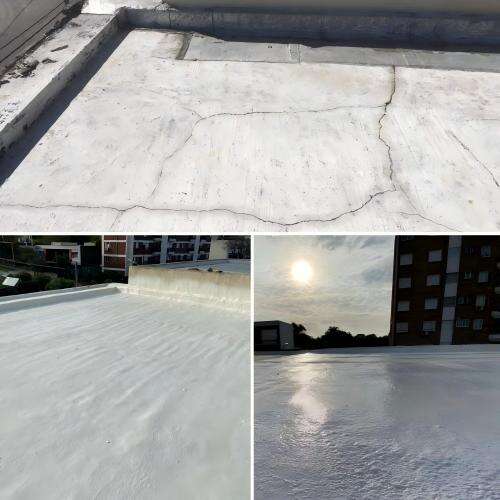
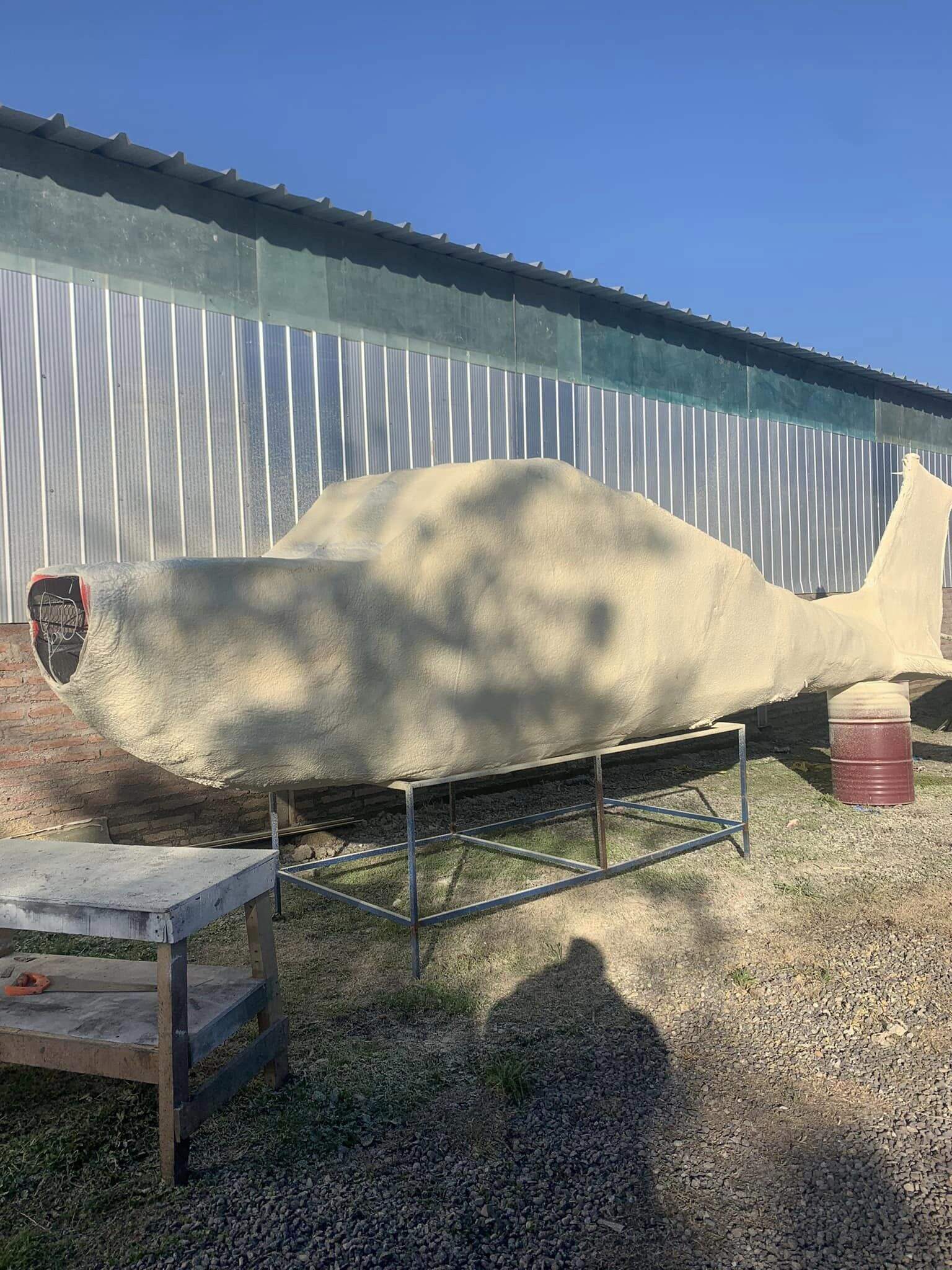
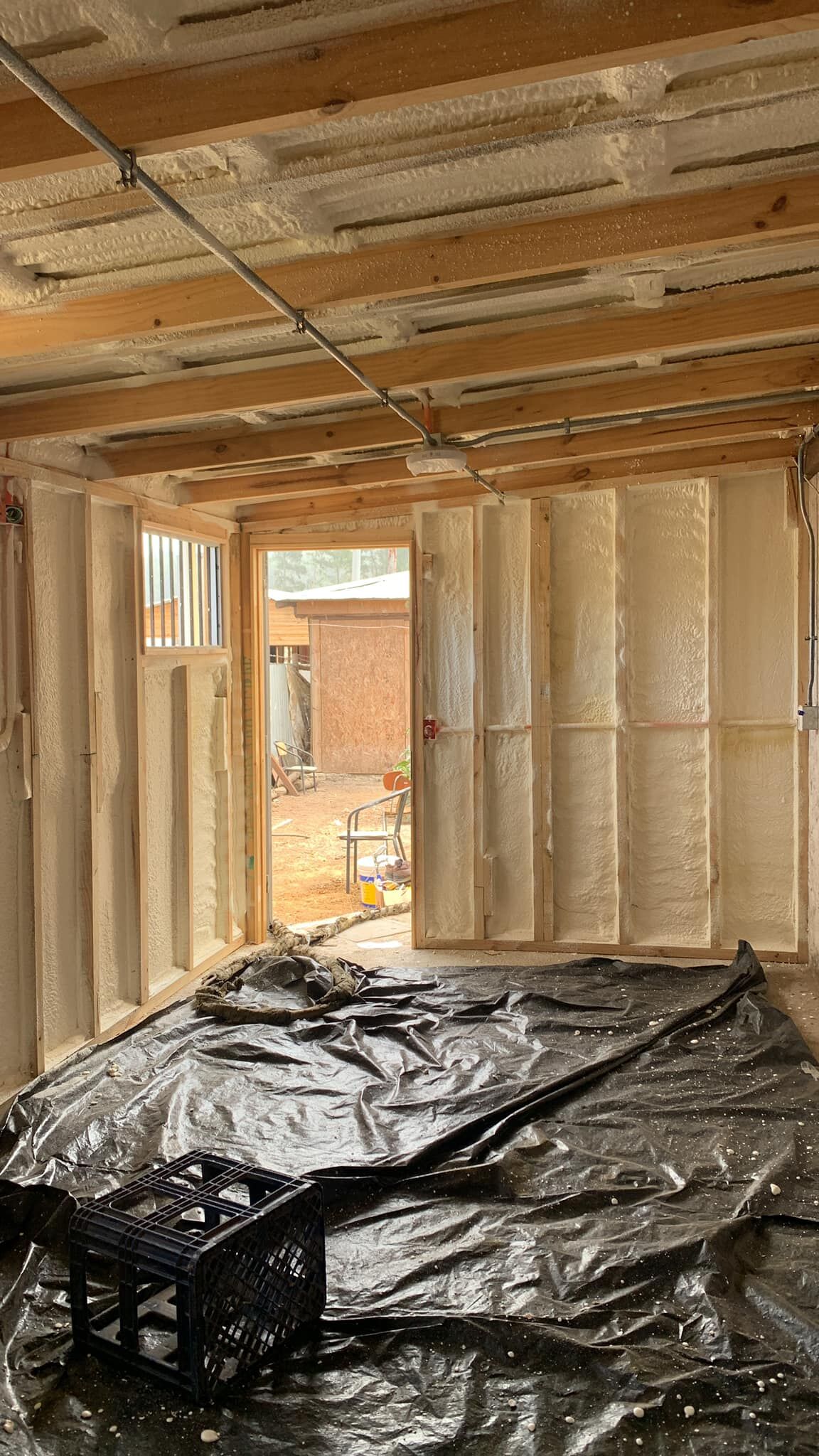
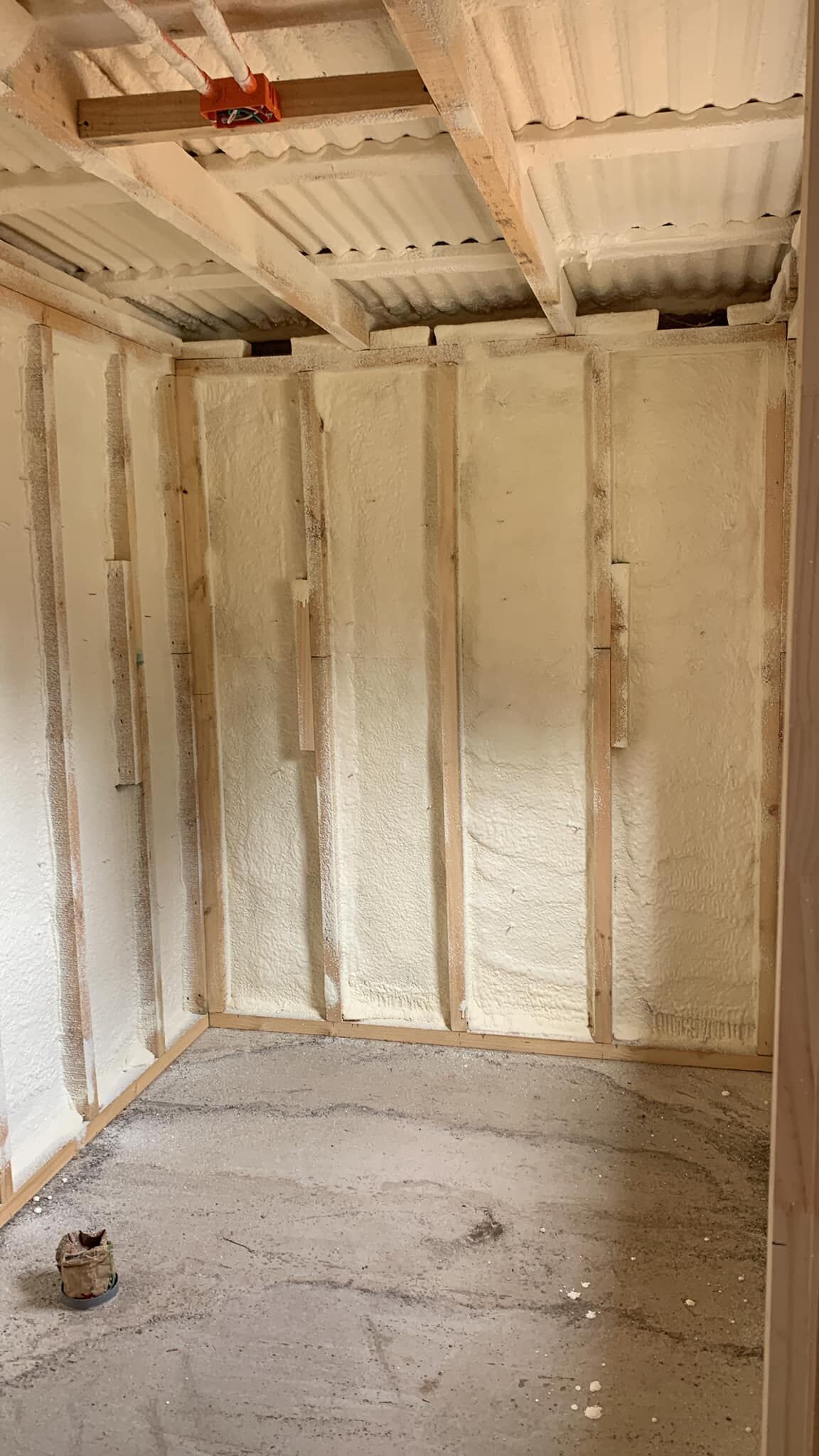
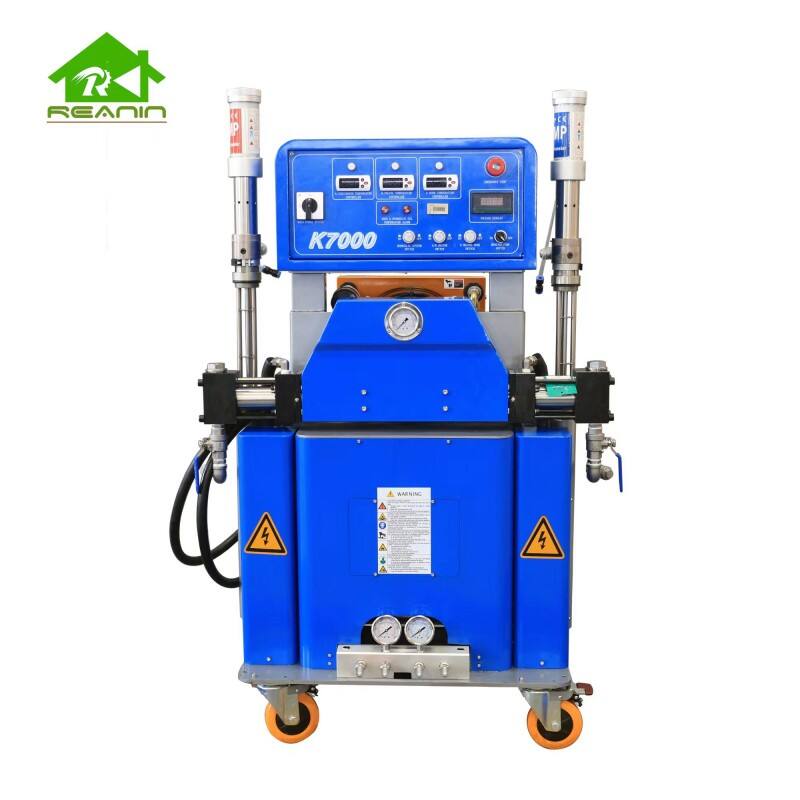
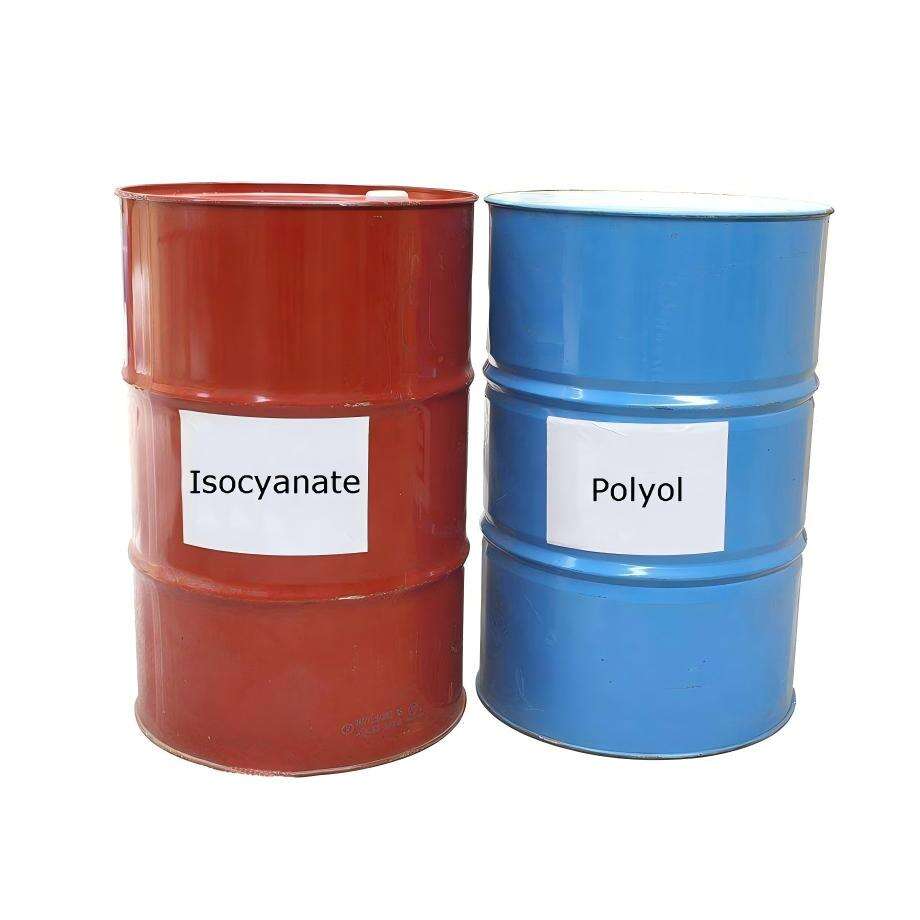
A polyurethane foam house represents a revolutionary advancement in modern construction technology, utilizing spray polyurethane foam as the primary building material for structural and insulation purposes. This innovative construction method involves applying liquid polyurethane that expands and hardens into a rigid foam structure, creating seamless walls, roofs, and foundations. The polyurethane foam house construction process begins with creating a framework, followed by spraying the foam mixture that chemically reacts and expands to form a solid, insulated shell. The main functions of a polyurethane foam house include providing superior thermal insulation, structural integrity, moisture barrier protection, and energy efficiency. The technological features encompass advanced spray application systems, precise foam density control, and chemical formulations that ensure optimal expansion ratios and curing times. These houses demonstrate exceptional performance in extreme weather conditions, maintaining consistent indoor temperatures while reducing energy consumption significantly. The applications of polyurethane foam houses span residential construction, commercial buildings, emergency shelters, and specialized structures requiring rapid deployment. The foam material creates an airtight envelope that eliminates thermal bridging and reduces air infiltration, making these structures highly energy-efficient. Modern polyurethane foam house designs incorporate sustainable materials and manufacturing processes, contributing to environmentally responsible construction practices. The versatility of this building method allows for creative architectural designs while maintaining structural performance standards. Installation teams can complete a polyurethane foam house structure in significantly less time compared to traditional construction methods, making it ideal for urgent housing needs or remote location projects.

New Products

The polyurethane foam house offers numerous practical benefits that make it an attractive option for modern homeowners and builders seeking efficient construction solutions. Energy efficiency stands as the primary advantage, as the foam creates a continuous insulation barrier that reduces heating and cooling costs by up to 50 percent compared to conventional homes. The seamless application eliminates gaps and thermal bridges that typically occur in traditional construction, ensuring consistent temperature control throughout the structure. Construction speed represents another significant benefit, with polyurethane foam house projects completing in days rather than months. The spray application process allows builders to create the structural shell and insulation simultaneously, streamlining the construction timeline and reducing labor costs. Weather resistance capabilities make these houses exceptionally durable, as the foam material resists moisture penetration, mold growth, and pest infiltration naturally. The chemical composition of polyurethane foam creates an inhospitable environment for insects and rodents, eliminating common household pest problems without requiring additional treatments. Maintenance requirements remain minimal throughout the lifespan of a polyurethane foam house, as the foam material does not degrade, settle, or require replacement like traditional insulation materials. The structural strength of cured polyurethane foam provides excellent load-bearing capacity while remaining lightweight, reducing foundation requirements and associated costs. Sound insulation properties create quieter living environments, as the dense foam structure effectively blocks external noise transmission. Design flexibility allows architects to create unique shapes and configurations that would be challenging with conventional building materials. The polyurethane foam house construction method adapts to various architectural styles while maintaining superior performance characteristics. Environmental benefits include reduced material waste during construction and lower energy consumption throughout the building's operational life. Fire resistance properties ensure safety standards compliance, as modern polyurethane foam formulations include fire-retardant additives that meet building code requirements.

Practical Tips

Achieving Perfection: The Complete Guide to Professional Polyurea Application

06

Nov

Achieving Perfection: The Complete Guide to Professional Polyurea Application

View More
Polyurea: The Ultimate Protective Coating for Demanding Applications Across Industries

06

Nov

Polyurea: The Ultimate Protective Coating for Demanding Applications Across Industries

View More
Spray Foam Insulation: Unlocking the Full Potential of Your Build with the Right Choice

06

Nov

Spray Foam Insulation: Unlocking the Full Potential of Your Build with the Right Choice

View More

Get a Free Quote

Our representative will contact you soon.
Email
Whatsapp or Tel
Name
Company Name
Message
0/1000

polyurethane foam house

Superior Energy Performance and Cost Savings

Superior Energy Performance and Cost Savings

The polyurethane foam house delivers exceptional energy performance that translates directly into substantial cost savings for homeowners over the building's lifetime. The continuous foam barrier eliminates thermal bridging, a common problem in traditional construction where metal studs and framing materials create pathways for heat transfer. This seamless insulation approach achieves R-values significantly higher than conventional insulation methods, often reaching R-6 to R-7 per inch of thickness. The superior insulation properties mean that heating and cooling systems operate more efficiently, reducing energy consumption by 30 to 60 percent compared to standard construction. Homeowners typically see immediate reductions in utility bills, with many reporting monthly savings of 200 to 500 dollars depending on climate conditions and home size. The airtight construction of a polyurethane foam house prevents unwanted air infiltration, which accounts for up to 40 percent of energy loss in traditional homes. Advanced thermal imaging studies demonstrate that polyurethane foam houses maintain consistent wall temperatures throughout the structure, eliminating cold spots and drafts that compromise comfort and efficiency. The energy performance benefits extend beyond simple cost savings, as the reduced energy demand contributes to smaller HVAC system requirements, lowering initial equipment costs and ongoing maintenance expenses. Long-term financial benefits become even more attractive when considering rising energy costs and potential carbon tax implications. The polyurethane foam house investment typically pays for itself through energy savings within 5 to 8 years, after which homeowners enjoy decades of reduced operating costs. Professional energy audits consistently show that polyurethane foam houses outperform traditional construction in blower door tests, achieving air change rates well below current energy code requirements.
Rapid Construction and Deployment Capabilities

Rapid Construction and Deployment Capabilities

The polyurethane foam house construction method revolutionizes building timelines through rapid deployment capabilities that make housing solutions available in days rather than months. The spray application process allows construction teams to complete the structural shell, insulation, and air barrier in a single operation, eliminating multiple trade coordination delays common in traditional building projects. Professional crews can typically complete a basic polyurethane foam house structure within 2 to 5 days, depending on size and complexity, compared to several weeks or months required for conventional construction. This speed advantage proves particularly valuable in emergency housing situations, disaster relief efforts, and remote location projects where traditional construction logistics prove challenging or impossible. The rapid deployment capability stems from the simplified construction process that requires fewer specialized trades and reduced material handling complexity. Construction teams need only basic framework installation followed by foam application, eliminating the need for separate insulation, vapor barrier, and air sealing operations. Weather conditions have minimal impact on polyurethane foam house construction schedules, as the application process works effectively in temperatures ranging from 40 to 100 degrees Fahrenheit. The chemical reaction that creates the foam structure occurs quickly, allowing immediate progression to subsequent construction phases without extended curing periods. Equipment mobility enables polyurethane foam house construction in locations where traditional building materials delivery proves difficult or expensive. The reduced construction timeline translates into lower labor costs, reduced financing charges, and faster occupancy schedules for residential and commercial projects. Project developers appreciate the predictable construction schedules that polyurethane foam house methods provide, as weather delays and material delivery issues have minimal impact on completion dates.
Exceptional Durability and Low Maintenance Requirements

Exceptional Durability and Low Maintenance Requirements

The polyurethane foam house offers exceptional durability characteristics that result in minimal maintenance requirements throughout the structure's lifespan, providing long-term value and peace of mind for property owners. The chemical composition of cured polyurethane foam creates a stable, inert material that resists degradation from environmental factors including moisture, temperature fluctuations, and ultraviolet exposure when properly protected. Unlike traditional insulation materials that settle, compress, or deteriorate over time, polyurethane foam maintains its structural and thermal properties for decades without replacement or supplementation. The seamless application eliminates joints, seams, and gaps where moisture infiltration typically occurs, preventing the mold, mildew, and rot problems common in conventional construction. Moisture resistance properties make polyurethane foam houses particularly suitable for humid climates and flood-prone areas, as the foam material does not absorb water or support biological growth. The closed-cell structure of structural polyurethane foam provides inherent resistance to pest infiltration, eliminating termite damage concerns and reducing the need for chemical pest control treatments. Structural integrity remains consistent throughout the polyurethane foam house lifespan, as the foam material does not experience the settling, warping, or deterioration issues associated with wood framing and traditional insulation systems. Regular maintenance tasks typically involve only exterior surface treatments and mechanical system servicing, as the foam structure requires no repairs or replacements under normal conditions. The durability benefits extend to extreme weather resistance, with polyurethane foam houses demonstrating superior performance in hurricane-force winds, hail storms, and seismic events. Professional inspections of decade-old polyurethane foam houses consistently show minimal degradation and maintained performance characteristics, validating the long-term durability claims. Property insurance companies often provide premium discounts for polyurethane foam houses due to their superior resistance to weather damage, pest infiltration, and moisture-related problems.
Polyurethane Foam House: Revolutionary Energy-Efficient Construction Technology

Get a Free Quote

Our representative will contact you soon.
Email
Whatsapp or Tel
Name
Company Name
Message
0/1000

Get a Free Quote

Our representative will contact you soon.
Email
Whatsapp or Tel
Name
Company Name
Message
0/1000