Polyurethane Foam in Construction: Superior Insulation Solutions for Energy-Efficient Buildings

Get a Free Quote

Our representative will contact you soon.
Email
Whatsapp or Tel
Name
Company Name
Message
0/1000

polyurethane foam in construction

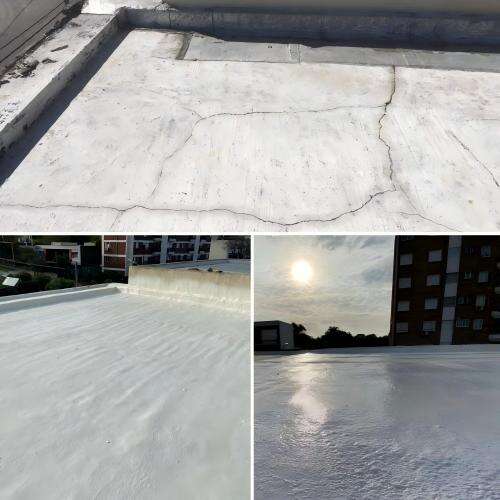
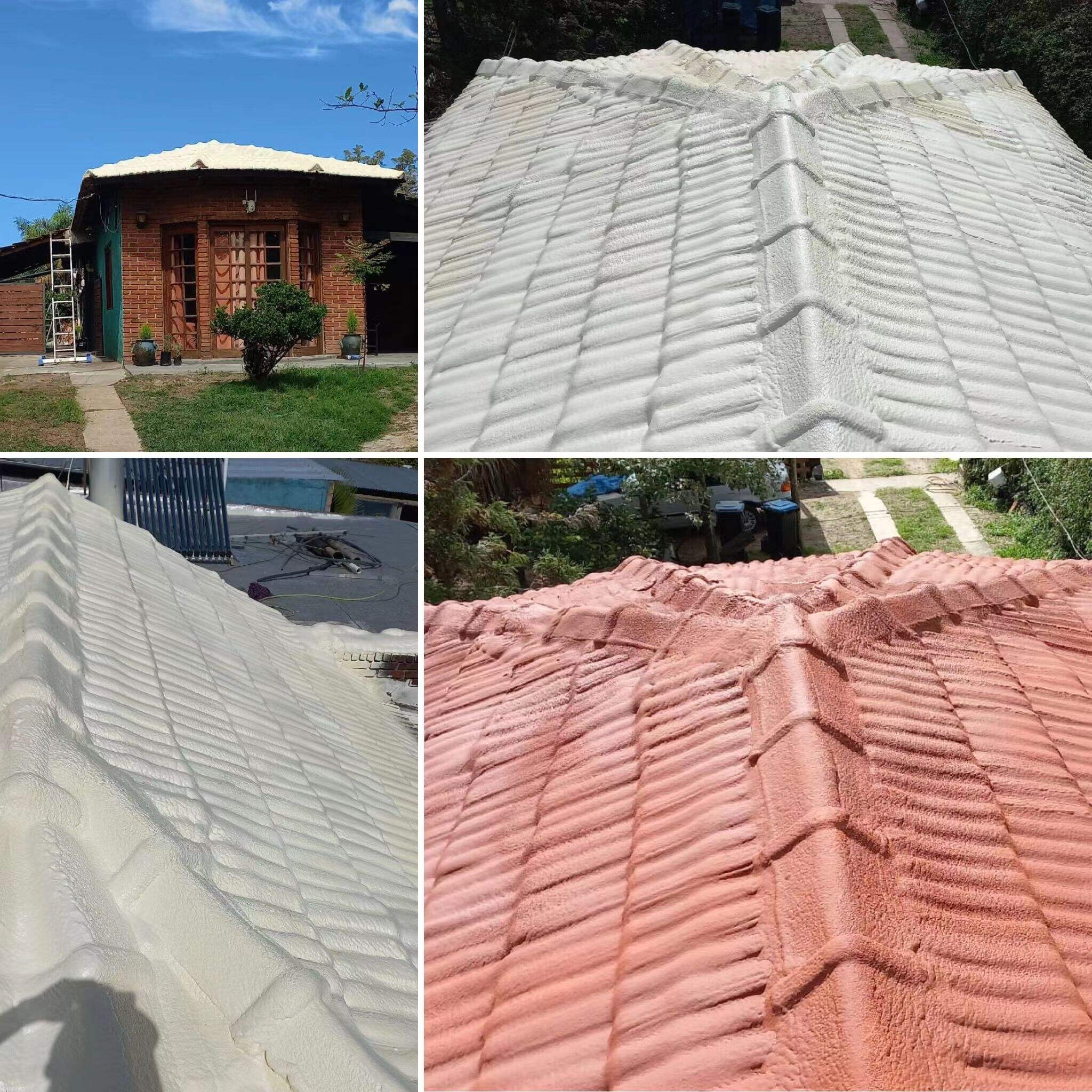
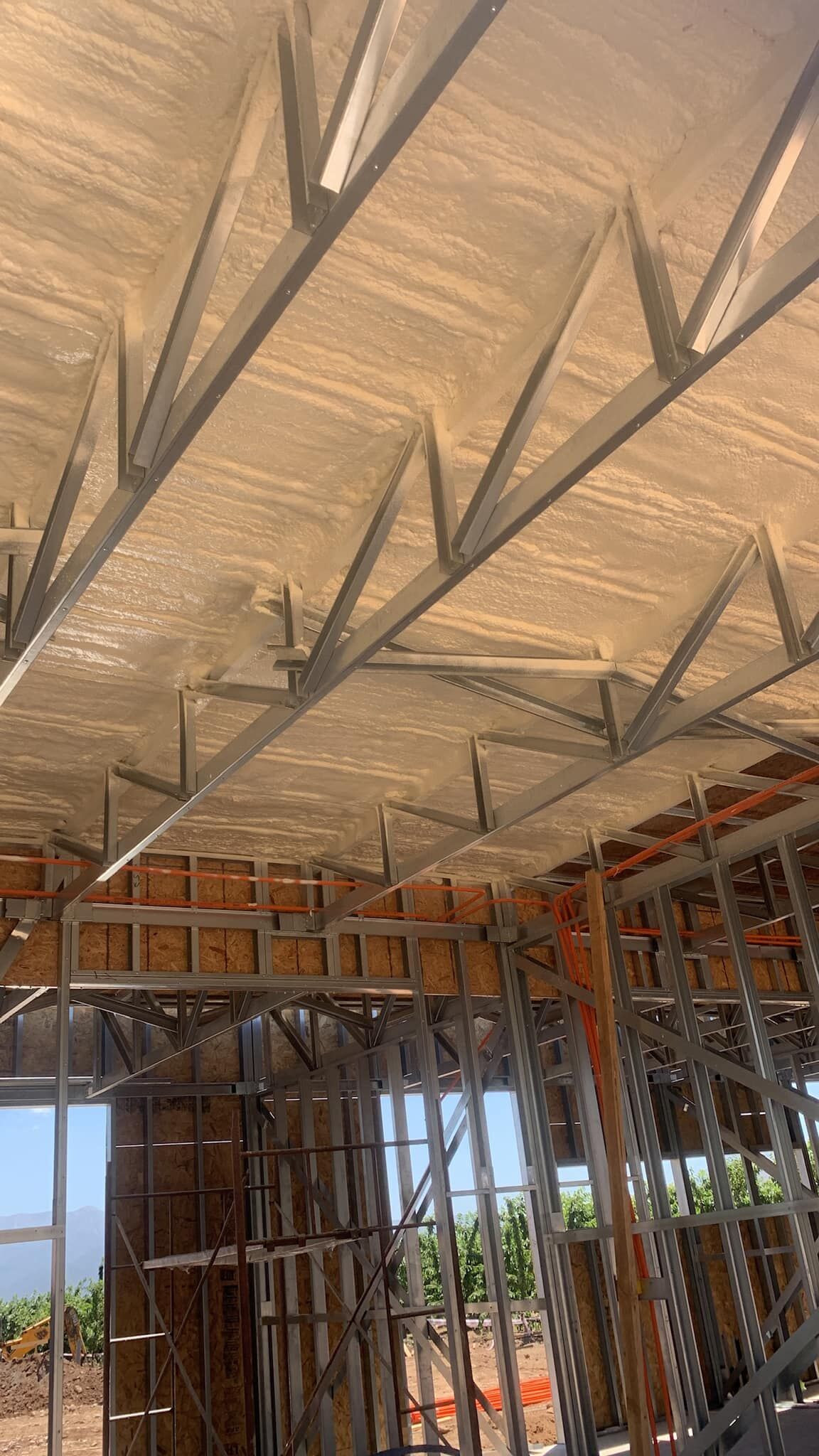
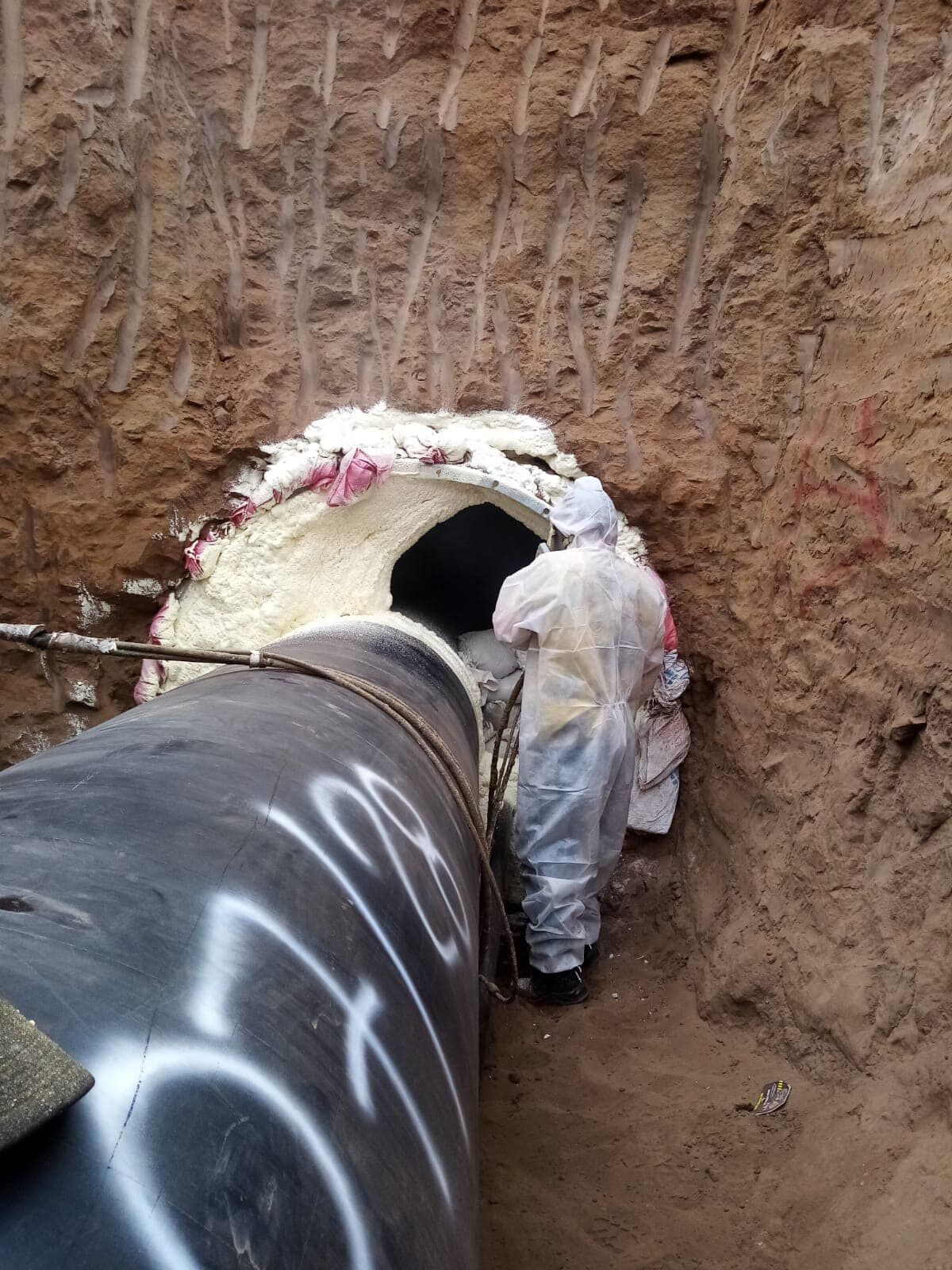
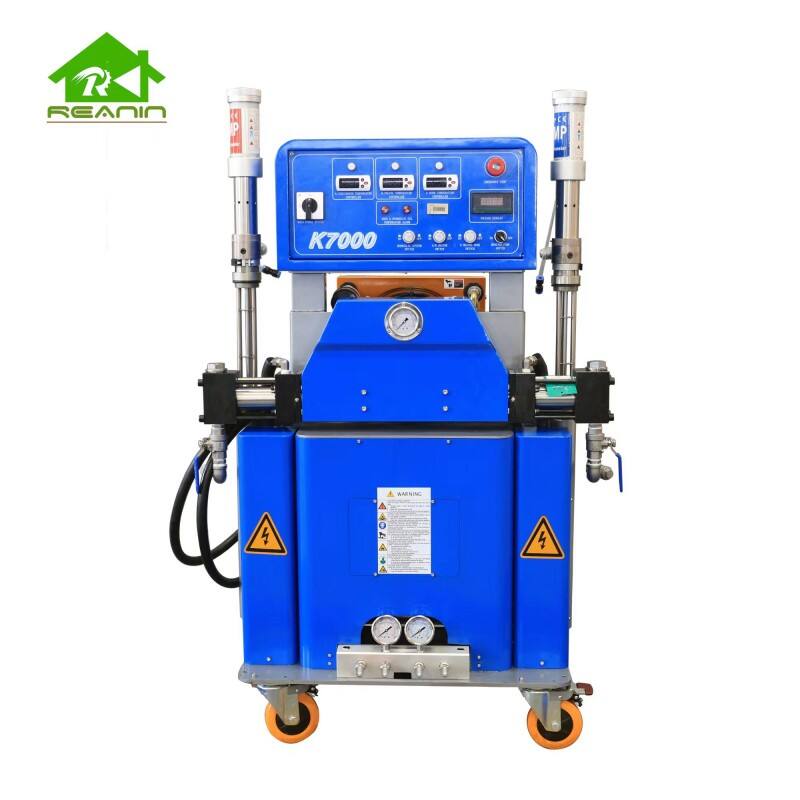
Polyurethane foam in construction has revolutionized modern building practices by offering exceptional insulation properties and structural support capabilities. This versatile material forms through a chemical reaction between polyol and isocyanate components, creating a cellular structure that expands to fill cavities and gaps. The main functions of polyurethane foam in construction include thermal insulation, air sealing, moisture barrier creation, and structural reinforcement. Its closed-cell structure provides superior resistance to heat transfer, making it highly effective for energy efficiency improvements. The technological features of polyurethane foam in construction encompass its ability to expand up to 30 times its original volume, adhering seamlessly to various substrates including wood, concrete, metal, and masonry. This expansion characteristic allows the material to conform to irregular surfaces and penetrate hard-to-reach areas, creating comprehensive coverage without gaps or thermal bridges. The spray application method enables contractors to apply polyurethane foam in construction projects with precision and speed, reducing installation time compared to traditional insulation methods. Applications of polyurethane foam in construction span residential, commercial, and industrial sectors. In residential construction, it serves as wall cavity insulation, attic insulation, basement sealing, and rim joist treatment. Commercial applications include roofing systems, cold storage facilities, and HVAC ductwork sealing. Industrial uses encompass tank insulation, pipe insulation, and equipment protection. The material's versatility extends to retrofit applications where existing buildings require energy efficiency upgrades. Modern formulations of polyurethane foam in construction offer improved fire resistance, reduced environmental impact, and enhanced durability. These technological advances ensure compliance with building codes while delivering long-term performance benefits that justify initial investment costs through energy savings and improved indoor comfort levels.

New Products

Polyurethane foam in construction delivers remarkable energy savings that translate directly into reduced utility bills for property owners. The superior insulating properties create an effective thermal barrier that maintains consistent indoor temperatures year-round, reducing the workload on heating and cooling systems. This energy efficiency benefit becomes particularly valuable as utility costs continue rising, making polyurethane foam in construction a smart long-term investment. Property owners typically see immediate reductions in energy consumption after installation, with some experiencing savings of 20-50 percent on heating and cooling expenses. The air sealing capabilities eliminate drafts and cold spots that plague traditional insulation methods, creating more comfortable living and working environments. Moisture control represents another significant advantage of polyurethane foam in construction applications. The closed-cell structure prevents water vapor transmission, reducing the risk of mold growth, wood rot, and structural damage caused by moisture infiltration. This protective barrier extends the lifespan of building materials and maintains healthier indoor air quality for occupants. Unlike traditional insulation materials that can absorb moisture and lose effectiveness, polyurethane foam in construction maintains its insulating properties even in humid conditions. Installation speed and versatility make polyurethane foam in construction highly attractive to contractors and building owners. The spray application process covers large areas quickly, reducing labor costs and project timelines. The material conforms to irregular surfaces and fills gaps that would be impossible to address with rigid insulation boards or batts. This adaptability ensures complete coverage without thermal bridges that compromise energy performance. Polyurethane foam in construction adheres permanently to substrates, eliminating the settling and gap formation common with loose-fill insulations. The structural support provided by rigid polyurethane foam in construction applications adds value beyond insulation. The cured foam contributes to wall strength and stability, particularly beneficial in steel frame construction where additional rigidity improves overall structural performance. This dual functionality reduces material costs and installation complexity while delivering enhanced building performance. Durability ensures that polyurethane foam in construction maintains its effectiveness for decades without replacement or maintenance requirements. The chemical stability resists degradation from temperature fluctuations, UV exposure, and normal building movement. This longevity protects the initial investment and provides consistent performance throughout the building's service life.

Practical Tips

Achieving Perfection: The Complete Guide to Professional Polyurea Application

06

Nov

Achieving Perfection: The Complete Guide to Professional Polyurea Application

View More
Polyurea: The Ultimate Protective Coating for Demanding Applications Across Industries

06

Nov

Polyurea: The Ultimate Protective Coating for Demanding Applications Across Industries

View More
Spray Foam Insulation: Unlocking the Full Potential of Your Build with the Right Choice

06

Nov

Spray Foam Insulation: Unlocking the Full Potential of Your Build with the Right Choice

View More

Get a Free Quote

Our representative will contact you soon.
Email
Whatsapp or Tel
Name
Company Name
Message
0/1000

polyurethane foam in construction

Superior Thermal Performance and Energy Efficiency

Superior Thermal Performance and Energy Efficiency

Polyurethane foam in construction offers unmatched thermal performance that significantly outperforms traditional insulation materials in real-world applications. The closed-cell structure creates millions of tiny air pockets that effectively resist heat transfer, achieving R-values ranging from R-6 to R-8 per inch thickness. This exceptional insulating capacity means that polyurethane foam in construction requires less thickness to achieve equivalent thermal performance compared to fiberglass, cellulose, or foam board alternatives. The continuous insulation layer eliminates thermal bridging, a common problem with traditional framing methods where structural elements create pathways for heat loss. This seamless coverage ensures that polyurethane foam in construction delivers consistent thermal protection across entire building envelopes. The energy efficiency benefits compound over time, as reduced heating and cooling loads extend HVAC equipment life while maintaining optimal indoor comfort levels. Studies demonstrate that buildings insulated with polyurethane foam in construction consume 30-50 percent less energy than those with conventional insulation systems. The air sealing properties complement thermal performance by preventing infiltration and exfiltration that can account for up to 40 percent of heating and cooling losses in poorly sealed buildings. Unlike batt insulation that can leave gaps around electrical boxes, pipes, and irregular framing, polyurethane foam in construction flows around obstacles to create complete air barriers. This comprehensive sealing capability eliminates the need for separate air barrier systems, reducing material costs and installation complexity. The spray application process allows precise control over thickness and coverage, ensuring optimal thermal performance in challenging areas such as rim joists, cathedral ceilings, and crawl spaces. Temperature stability of cured polyurethane foam in construction maintains consistent R-values across wide temperature ranges, unlike some insulation materials that lose effectiveness in extreme conditions. This reliability ensures predictable energy performance regardless of seasonal temperature variations or climate zone requirements.
Exceptional Moisture Control and Indoor Air Quality

Exceptional Moisture Control and Indoor Air Quality

Polyurethane foam in construction provides superior moisture management that protects building integrity while maintaining healthy indoor environments. The closed-cell structure acts as both a vapor barrier and water resistive barrier, preventing moisture infiltration that can lead to costly structural damage and health issues. This dual protection eliminates the need for separate vapor retarders and weather barriers in many applications, simplifying construction details while improving performance. Moisture-related problems plague traditional insulation systems, where absorbed water reduces thermal performance and creates conditions favorable for mold and mildew growth. Polyurethane foam in construction resists moisture absorption, maintaining its insulating properties even when exposed to humid conditions or minor water intrusion. This moisture resistance extends the service life of building materials by preventing rot, corrosion, and degradation caused by prolonged moisture exposure. Indoor air quality benefits significantly from the moisture control properties of polyurethane foam in construction. By preventing moisture infiltration and eliminating gaps where contaminants can enter, the system creates healthier indoor environments for occupants. The seamless application prevents dust, pollen, and outdoor pollutants from infiltrating through building envelope gaps, particularly important for individuals with allergies or respiratory sensitivities. Unlike organic insulation materials that can harbor pests or provide food sources for insects and rodents, polyurethane foam in construction creates inhospitable environments for unwanted visitors. The chemical composition resists biological growth while the continuous barrier prevents pest entry through wall cavities. Building envelope integrity improves dramatically with polyurethane foam in construction applications, as the material adheres permanently to substrates and maintains its seal throughout building movement cycles. This long-term stability prevents the development of gaps and cracks that commonly occur with rigid insulation systems. Temperature and humidity control become more precise with polyurethane foam in construction, as the effective air sealing prevents uncontrolled air exchange that can cause comfort issues and HVAC system inefficiencies. The result is more consistent indoor conditions that improve occupant comfort while reducing the workload on mechanical systems.
Versatile Application Methods and Long-Term Durability

Versatile Application Methods and Long-Term Durability

Polyurethane foam in construction offers unparalleled versatility in application methods that accommodate diverse building configurations and retrofit challenges. The spray-applied system adapts to irregular surfaces, complex geometries, and confined spaces where traditional insulation installation proves difficult or impossible. This flexibility makes polyurethane foam in construction ideal for both new construction and renovation projects, where existing conditions may present unique challenges. Professional installation equipment allows contractors to adjust density, thickness, and application patterns to meet specific project requirements, ensuring optimal performance for each application. The chemical reaction that creates polyurethane foam in construction begins immediately upon mixing, allowing installers to work efficiently while the material expands to fill cavities completely. This expansion characteristic ensures thorough coverage around obstacles, pipes, wiring, and structural elements that would create gaps with rigid insulation materials. The adhesive properties bond permanently to clean surfaces, creating mechanical attachment that resists settling or displacement over time. Installation speed significantly exceeds traditional methods, as large areas receive complete coverage in single applications rather than piece-by-piece assembly required with batt or board insulation. Long-term durability sets polyurethane foam in construction apart from alternatives that may degrade, settle, or lose effectiveness over time. The cross-linked polymer structure resists compression, maintaining consistent thickness and thermal performance throughout the building's service life. Unlike organic materials that can decompose or attract pests, polyurethane foam in construction remains chemically stable for decades under normal building conditions. Dimensional stability prevents the gaps and thermal bridges that develop when insulation materials shrink, settle, or detach from substrates. The closed-cell structure of polyurethane foam in construction resists freeze-thaw cycles, moisture expansion, and temperature-induced movement that can damage other insulation systems. Quality control during installation ensures proper mixing ratios, surface preparation, and environmental conditions for optimal curing and long-term performance. Professional applicators monitor thickness, coverage, and adhesion to verify that polyurethane foam in construction meets specified performance requirements. Warranty coverage typically extends 20-25 years, reflecting manufacturer confidence in material durability and performance consistency.
Polyurethane Foam in Construction: Superior Insulation Solutions for Energy-Efficient Buildings

Get a Free Quote

Our representative will contact you soon.
Email
Whatsapp or Tel
Name
Company Name
Message
0/1000

Get a Free Quote

Our representative will contact you soon.
Email
Whatsapp or Tel
Name
Company Name
Message
0/1000