Polyurethane Foam Wall Insulation: Superior Energy Efficiency and Thermal Performance Solutions

Get a Free Quote

Our representative will contact you soon.
Email
Whatsapp or Tel
Name
Company Name
Message
0/1000

polyurethane foam wall insulation

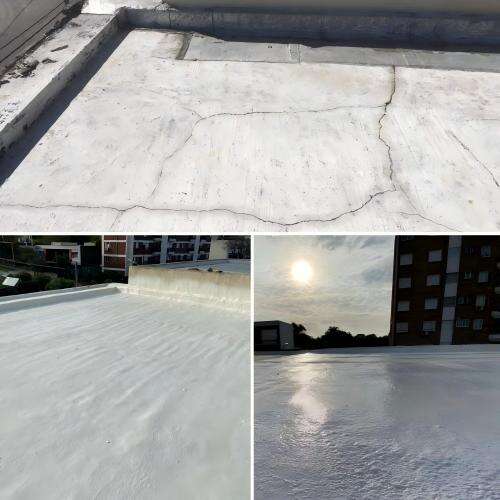
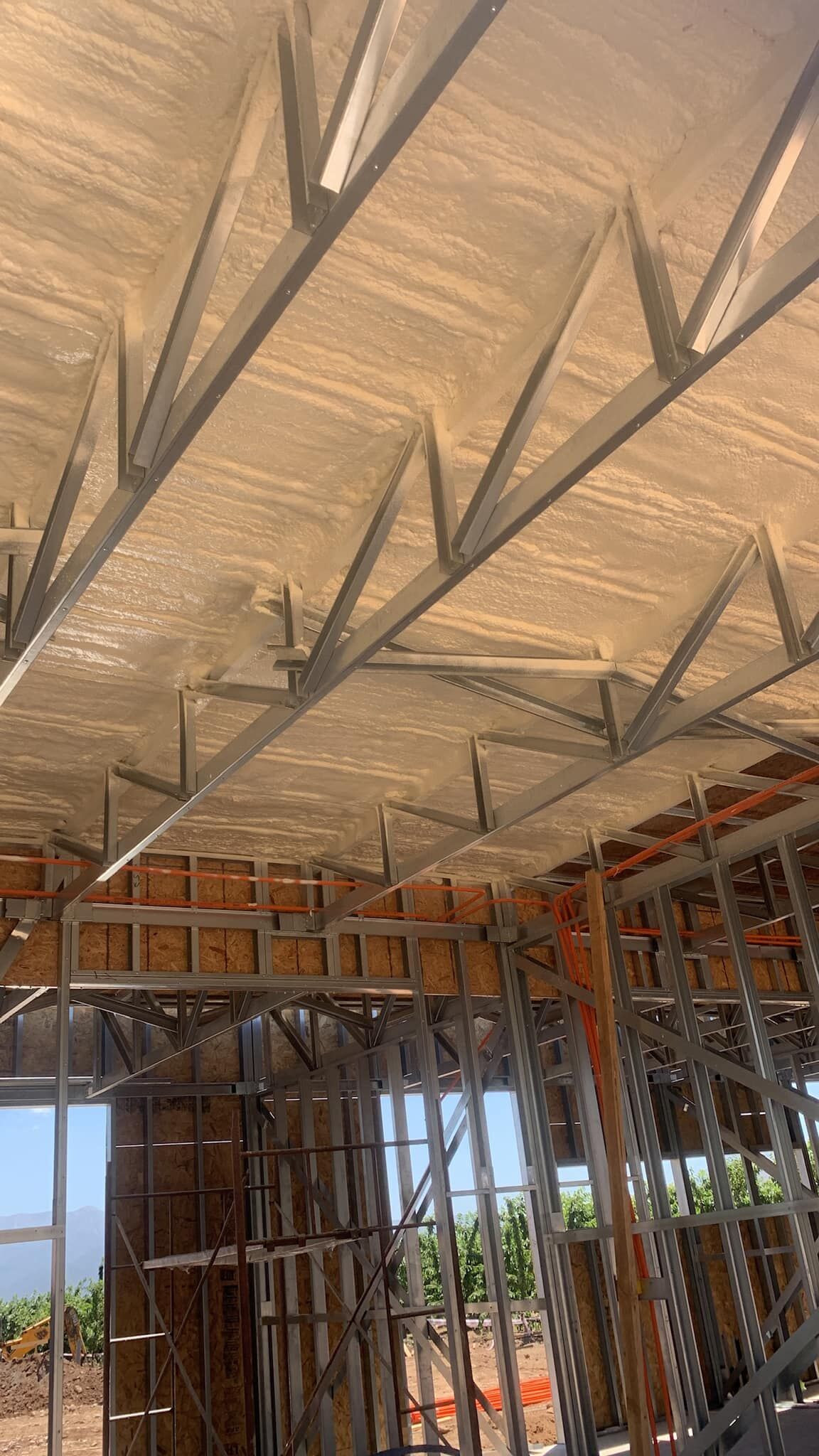
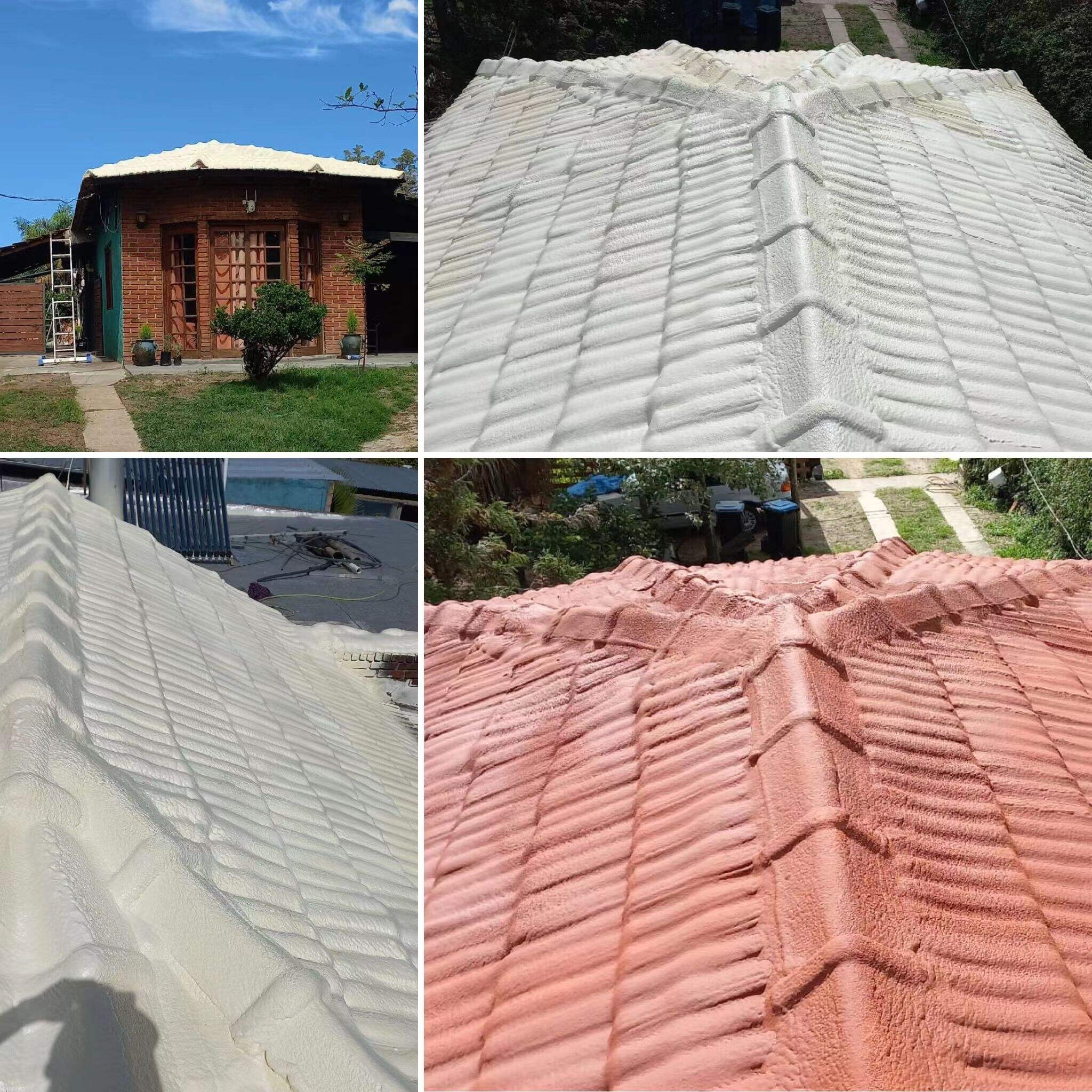
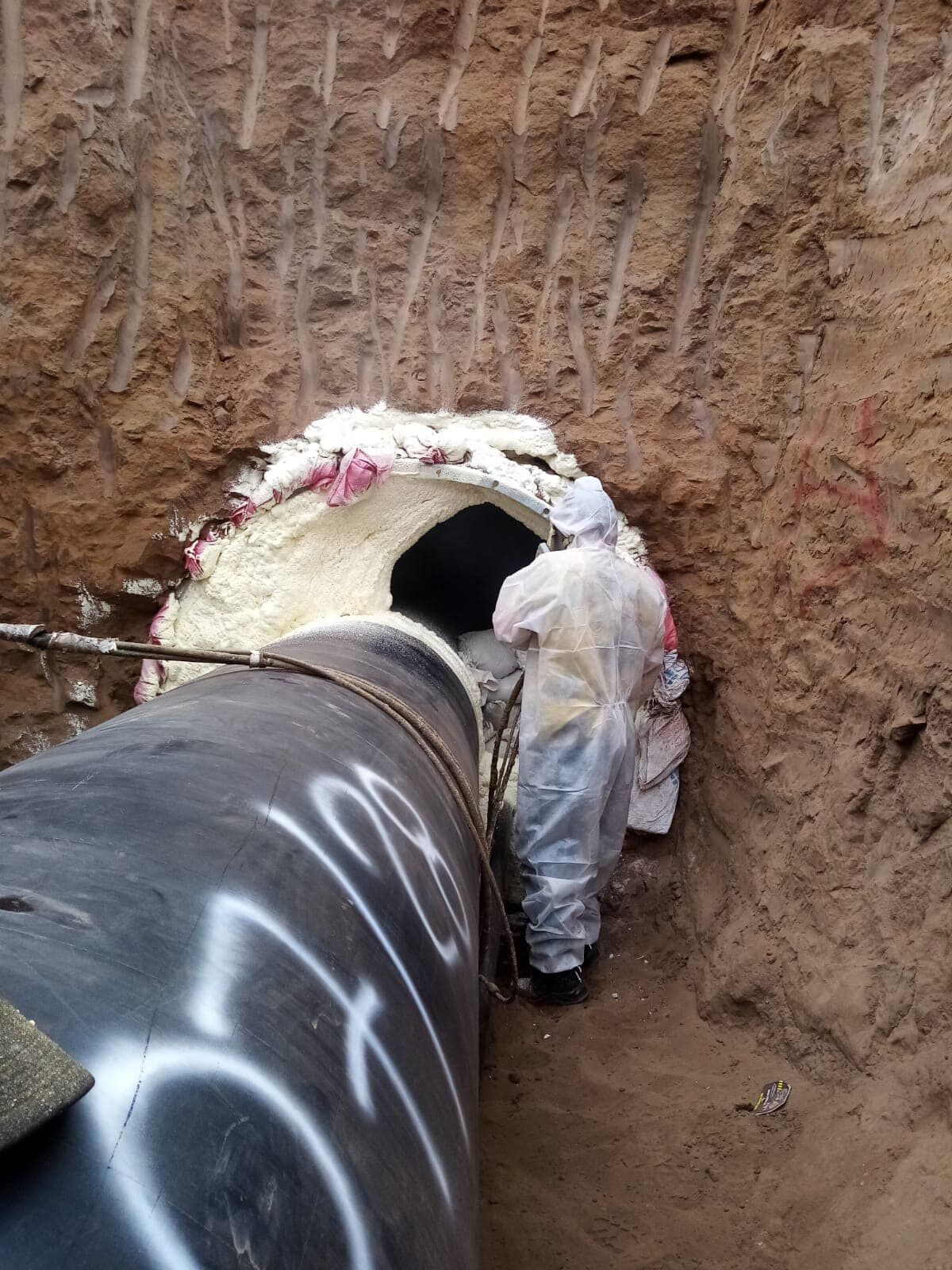
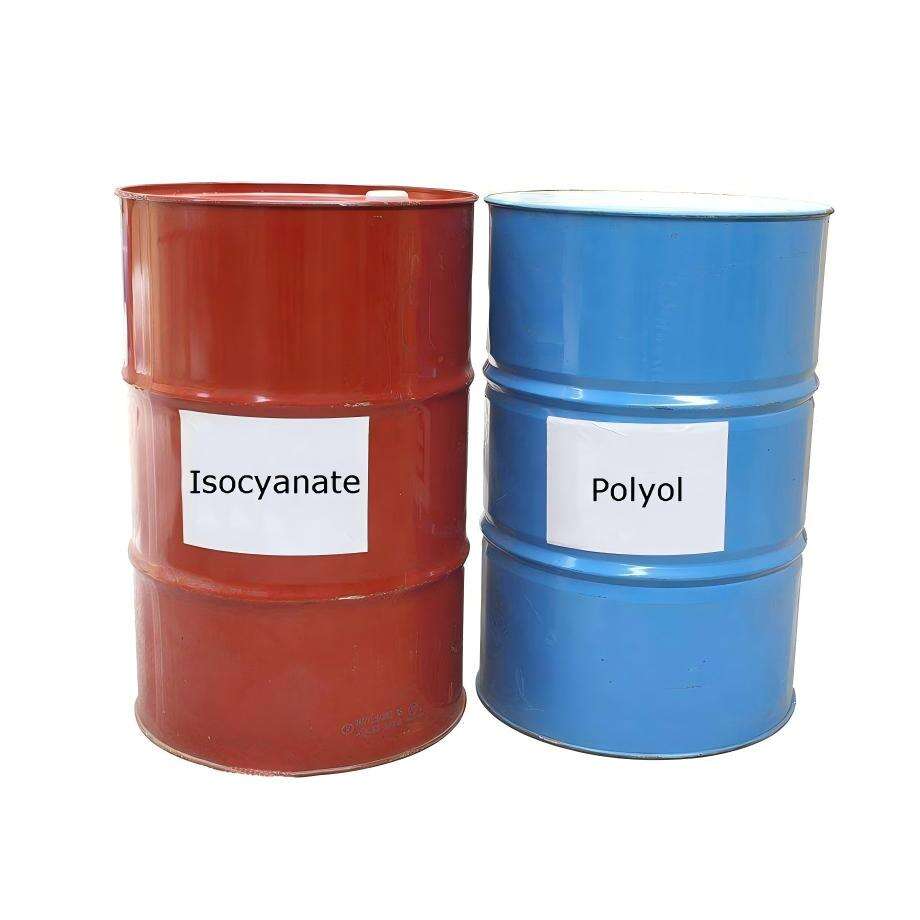
Polyurethane foam wall insulation represents a cutting-edge building material that transforms ordinary walls into high-performance thermal barriers. This innovative insulation solution consists of two chemical components that combine during application to create an expanding foam that fills cavities, gaps, and spaces within wall structures. The primary function of polyurethane foam wall insulation centers on creating an airtight seal while providing exceptional thermal resistance, effectively reducing energy costs and enhancing indoor comfort levels throughout the year. The technological foundation of this insulation material relies on its unique cellular structure, which traps air within thousands of tiny bubbles, creating an effective barrier against heat transfer. During installation, the foam expands to fill irregular spaces and conforms to various shapes, ensuring complete coverage that traditional insulation materials cannot achieve. The chemical composition allows for rapid curing times, typically setting within minutes of application, while maintaining flexibility to accommodate structural movements without cracking or separation. Applications for polyurethane foam wall insulation span residential, commercial, and industrial construction projects. Homeowners benefit from retrofitting existing walls, while new construction projects integrate this material during the building phase for optimal performance. The versatility extends to various wall types, including wood frame, steel frame, concrete block, and masonry structures. Professional contractors appreciate the material's ability to air-seal while insulating in a single application step, reducing labor costs and installation time. The foam adheres permanently to most building materials, creating a monolithic insulation system that eliminates thermal bridging and air infiltration issues common with traditional insulation methods. Environmental considerations make polyurethane foam wall insulation an attractive choice for sustainable building practices, as it contributes to reduced energy consumption and lower greenhouse gas emissions over the building's lifetime through improved thermal performance.

New Product Recommendations

Polyurethane foam wall insulation delivers superior thermal performance that significantly reduces heating and cooling costs throughout the year. This advanced material creates an R-value ranging from R-6 to R-8 per inch, outperforming traditional insulation materials by substantial margins. Property owners experience immediate energy savings as the foam eliminates air leaks and thermal bridges that cause energy loss in conventional insulation systems. The seamless application process ensures complete coverage without gaps or voids that compromise thermal efficiency. Unlike fiberglass or cellulose alternatives, polyurethane foam wall insulation maintains its insulating properties over decades without settling, shifting, or degrading. The material resists moisture absorption, preventing the formation of mold and mildew that can damage building structures and compromise indoor air quality. This moisture resistance extends the lifespan of building materials by protecting wooden frames, metal components, and other structural elements from humidity-related deterioration. Installation versatility makes polyurethane foam wall insulation suitable for both new construction and renovation projects. The expanding nature of the foam allows it to reach areas that traditional insulation materials cannot access, including narrow cavities, irregular spaces, and areas around pipes, wires, and fixtures. This comprehensive coverage eliminates cold spots and drafts that create uncomfortable living and working environments. The material bonds permanently to most surfaces, creating a structural enhancement that can increase wall strength and stability. Professional installers appreciate the quick application process that reduces project timelines and labor costs compared to traditional insulation methods. The foam cures rapidly, allowing construction schedules to proceed without extended waiting periods. Safety benefits include improved fire resistance when proper flame retardants are incorporated into the formulation. The closed-cell structure of spray polyurethane foam provides additional structural support to walls while maintaining flexibility to accommodate natural building movements. Long-term performance remains consistent, with properly installed polyurethane foam wall insulation maintaining its effectiveness for the entire building lifespan. Property values increase due to enhanced energy efficiency ratings and improved comfort levels that appeal to environmentally conscious buyers and tenants seeking reduced utility costs.

Latest News

Achieving Perfection: The Complete Guide to Professional Polyurea Application

06

Nov

Achieving Perfection: The Complete Guide to Professional Polyurea Application

View More
Polyurea: The Ultimate Protective Coating for Demanding Applications Across Industries

06

Nov

Polyurea: The Ultimate Protective Coating for Demanding Applications Across Industries

View More
Spray Foam Insulation: Unlocking the Full Potential of Your Build with the Right Choice

06

Nov

Spray Foam Insulation: Unlocking the Full Potential of Your Build with the Right Choice

View More

Get a Free Quote

Our representative will contact you soon.
Email
Whatsapp or Tel
Name
Company Name
Message
0/1000

polyurethane foam wall insulation

Exceptional Air Sealing and Thermal Performance

Exceptional Air Sealing and Thermal Performance

Polyurethane foam wall insulation excels at creating an airtight building envelope that dramatically improves energy efficiency and comfort levels. The expanding foam penetrates every crack, gap, and crevice within wall cavities, forming a continuous barrier that prevents air infiltration and heat transfer. This comprehensive sealing capability addresses one of the most significant sources of energy loss in buildings, where air leakage can account for up to forty percent of heating and cooling costs. Traditional insulation materials like fiberglass batts or blown-in cellulose cannot achieve this level of air sealing, leaving gaps around electrical outlets, plumbing penetrations, and framing irregularities that compromise thermal performance. The closed-cell structure of polyurethane foam wall insulation provides superior R-values that remain constant over time, unlike traditional materials that can settle or compress, reducing their effectiveness. Each application creates a monolithic insulation system that eliminates thermal bridging through studs and other structural members, ensuring consistent temperatures throughout interior spaces. This enhanced thermal performance translates directly into reduced energy bills and improved comfort for occupants. The material's ability to expand and fill irregular spaces makes it particularly valuable in retrofit applications where existing walls contain numerous penetrations and irregular cavities. Professional energy audits consistently show significant improvements in blower door test results after polyurethane foam wall insulation installation, demonstrating the material's effectiveness at creating tight building envelopes. The long-term stability of this insulation ensures that initial performance levels maintain throughout the building's lifespan, providing decades of energy savings and comfort benefits. Property owners who invest in polyurethane foam wall insulation often report immediate improvements in indoor air quality and temperature consistency, eliminating hot and cold spots that create uncomfortable living conditions.
Moisture Control and Structural Benefits

Moisture Control and Structural Benefits

Polyurethane foam wall insulation provides exceptional moisture control properties that protect building structures from water damage and related issues. The closed-cell structure creates a vapor barrier that prevents moisture infiltration while allowing the building to breathe appropriately, maintaining healthy indoor environments. This moisture resistance eliminates conditions that promote mold and mildew growth, protecting both building materials and occupant health. Traditional insulation materials can absorb moisture, leading to reduced thermal performance, structural damage, and indoor air quality problems that require costly remediation. The hydrophobic nature of polyurethane foam wall insulation ensures that it maintains its insulating properties even in high-humidity environments or in the event of minor water intrusion. Beyond moisture control, the foam provides structural enhancements that strengthen wall assemblies and improve building integrity. The adhesive properties create a strong bond with framing members, sheathing, and other building components, effectively laminating the wall system into a composite structure with increased racking strength and dimensional stability. This structural contribution can be particularly valuable in areas prone to high winds or seismic activity, where additional wall strength enhances building resilience. The material's flexibility allows it to accommodate normal building movements without cracking or separating, maintaining its protective properties throughout seasonal expansion and contraction cycles. Professional builders appreciate how polyurethane foam wall insulation can help reduce callbacks related to thermal performance issues and moisture problems that commonly occur with traditional insulation systems. The permanent adhesion eliminates concerns about insulation settling or shifting over time, ensuring consistent performance that protects the investment in building improvements. Quality installations of polyurethane foam wall insulation contribute to improved building durability by protecting structural components from moisture-related deterioration, extending the overall lifespan of the building envelope and reducing long-term maintenance requirements.
Versatile Application and Quick Installation Process

Versatile Application and Quick Installation Process

Polyurethane foam wall insulation offers unmatched installation versatility that accommodates diverse construction scenarios and project requirements. The spray application method allows professional installers to quickly and efficiently insulate walls of any configuration, including complex geometries, tight spaces, and areas with numerous obstructions. This flexibility makes polyurethane foam wall insulation ideal for both new construction projects and challenging retrofit applications where traditional insulation materials would be difficult or impossible to install properly. The rapid expansion and quick cure time of the foam enable contractors to complete insulation work efficiently, reducing labor costs and project timelines while maintaining superior quality standards. Unlike batt insulation that requires careful cutting and fitting around obstacles, the fluid application of polyurethane foam wall insulation conforms automatically to irregular shapes and fills spaces completely without leaving voids or compressed areas. This seamless application process eliminates the tedious cutting and piecing required with traditional materials, reducing installation time by significant margins. The material's ability to adhere to various substrates including wood, metal, concrete, and masonry makes it suitable for diverse construction types and building designs. Professional contractors appreciate the consistent results achieved with proper spray equipment and training, as the application process provides predictable outcomes regardless of wall complexity or environmental conditions. The quick curing characteristics allow construction schedules to proceed without delays, as subsequent trades can typically begin work within hours of foam installation. Quality control measures are simplified because the continuous foam application eliminates joints and seams that can compromise performance in traditional insulation systems. The versatility extends to various foam densities and formulations that can be selected based on specific performance requirements, climate conditions, and building codes. Retrofit applications particularly benefit from the foam's ability to access existing wall cavities through small access holes, minimizing disruption to finished surfaces while achieving comprehensive insulation coverage that dramatically improves energy performance and comfort in older buildings.
Polyurethane Foam Wall Insulation: Superior Energy Efficiency and Thermal Performance Solutions

Get a Free Quote

Our representative will contact you soon.
Email
Whatsapp or Tel
Name
Company Name
Message
0/1000

Get a Free Quote

Our representative will contact you soon.
Email
Whatsapp or Tel
Name
Company Name
Message
0/1000