polyurethane spray foam closed cell
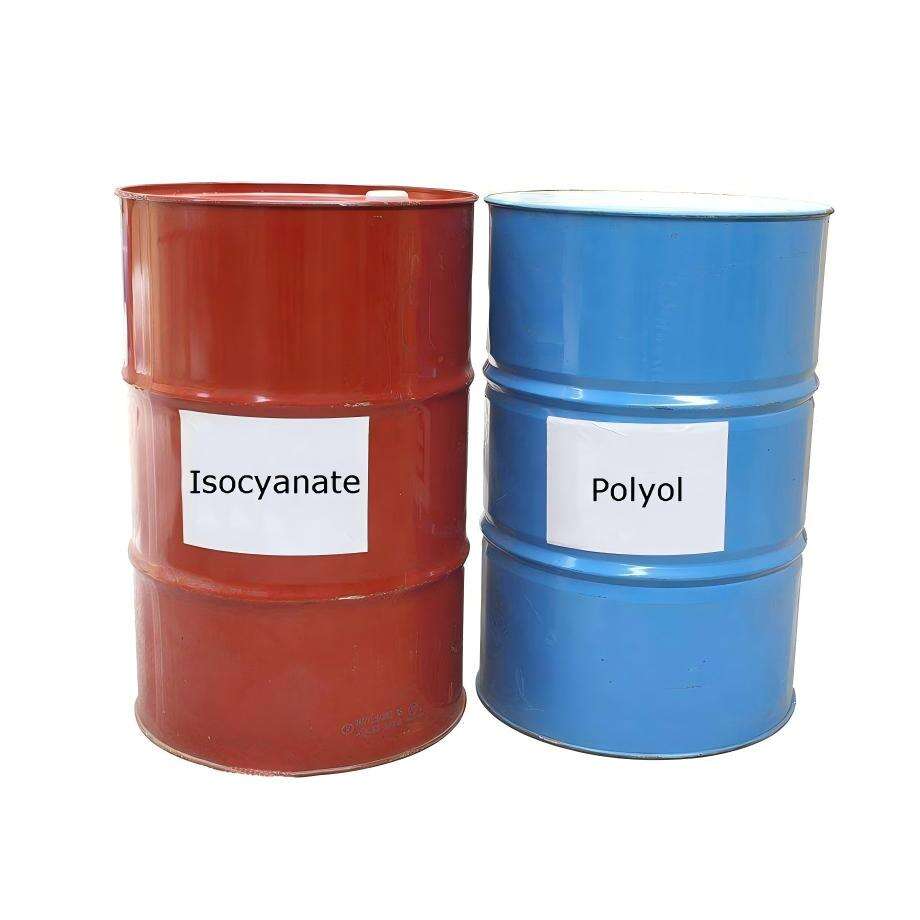
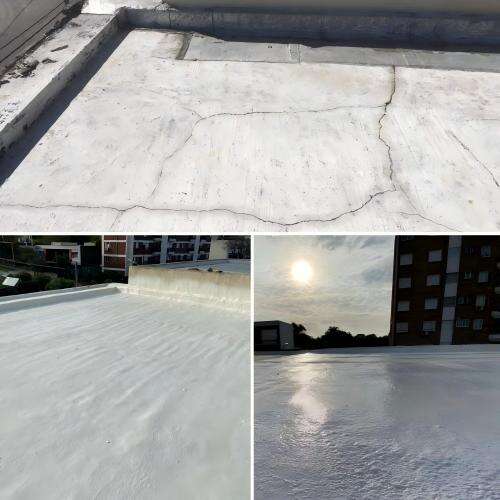
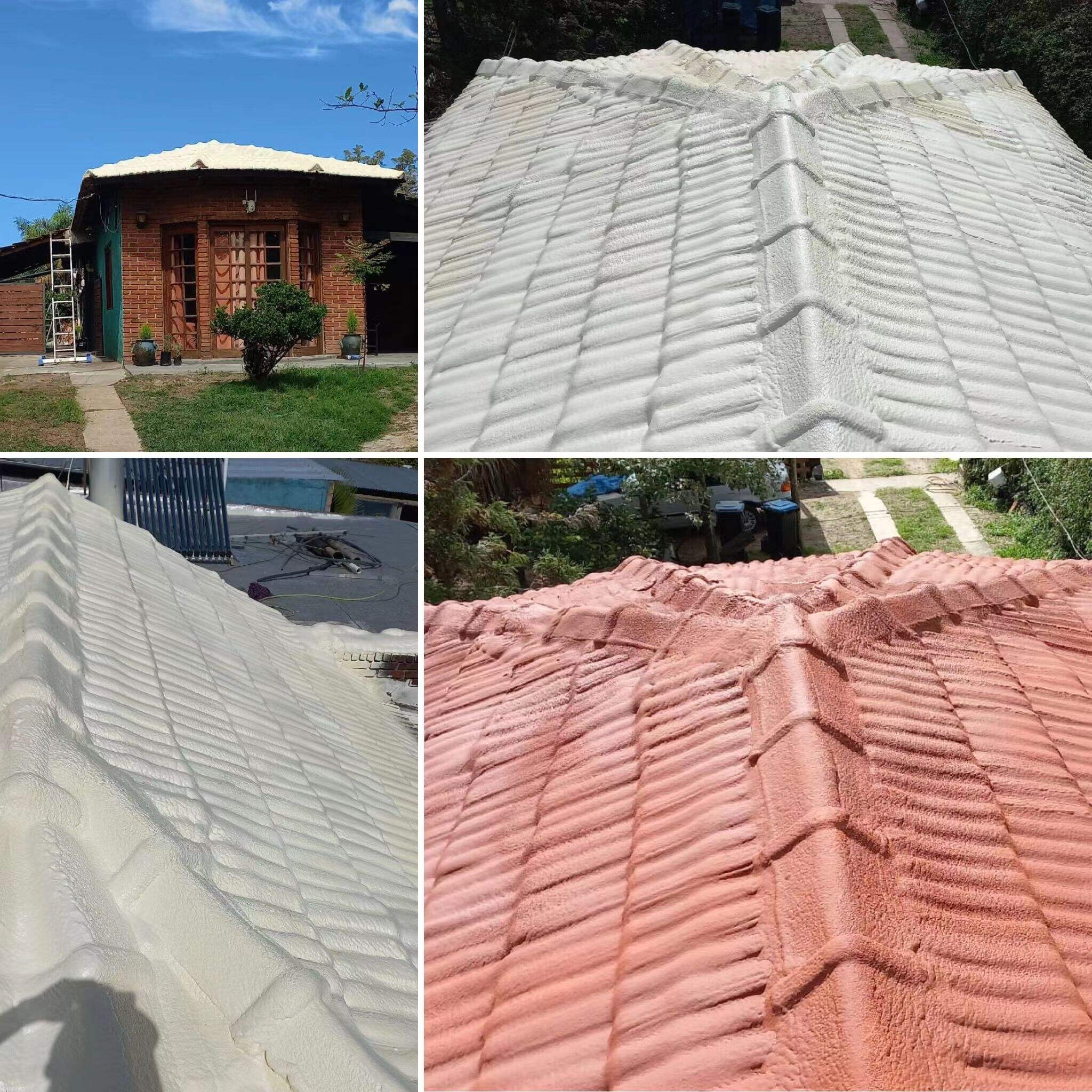
Polyurethane spray foam closed cell represents a revolutionary insulation technology that delivers exceptional thermal performance and structural integrity for residential, commercial, and industrial applications. This advanced foam system consists of tiny, completely sealed cells that create an impermeable barrier against air infiltration, moisture penetration, and thermal transfer. Unlike traditional insulation materials, polyurethane spray foam closed cell expands rapidly upon application, filling gaps, cracks, and irregular surfaces to form a continuous, seamless protective layer. The chemical composition involves mixing two liquid components - polyol and isocyanate - which react instantly to create a rigid, durable foam structure. This innovative material boasts an impressive R-value ranging from 6.0 to 6.5 per inch of thickness, significantly outperforming conventional insulation options like fiberglass batts or cellulose. The technological foundation of polyurethane spray foam closed cell relies on precise temperature control, proper mixing ratios, and professional application equipment to ensure optimal performance. Each closed cell measures approximately 0.1 to 0.3 millimeters in diameter, creating millions of individual barriers that prevent heat transfer through conduction, convection, and radiation. The foam adheres directly to substrates including wood, concrete, steel, and drywall, eliminating thermal bridging and creating structural reinforcement. Applications span across attic insulation, basement waterproofing, crawl space encapsulation, commercial roofing systems, industrial tank insulation, and specialized automotive components. The material demonstrates remarkable longevity, maintaining its insulating properties for decades without settling, shrinking, or degrading. Professional installation requires certified technicians who understand spray patterns, lift thickness, and safety protocols to maximize the benefits of this sophisticated insulation technology.
 ×
×






 EN
EN