Premium Polyurethane Closed Cell Foam - Superior Insulation & Moisture Protection Solutions

Get a Free Quote

Our representative will contact you soon.
Email
Whatsapp or Tel
Name
Company Name
Message
0/1000

polyurethane closed cell foam

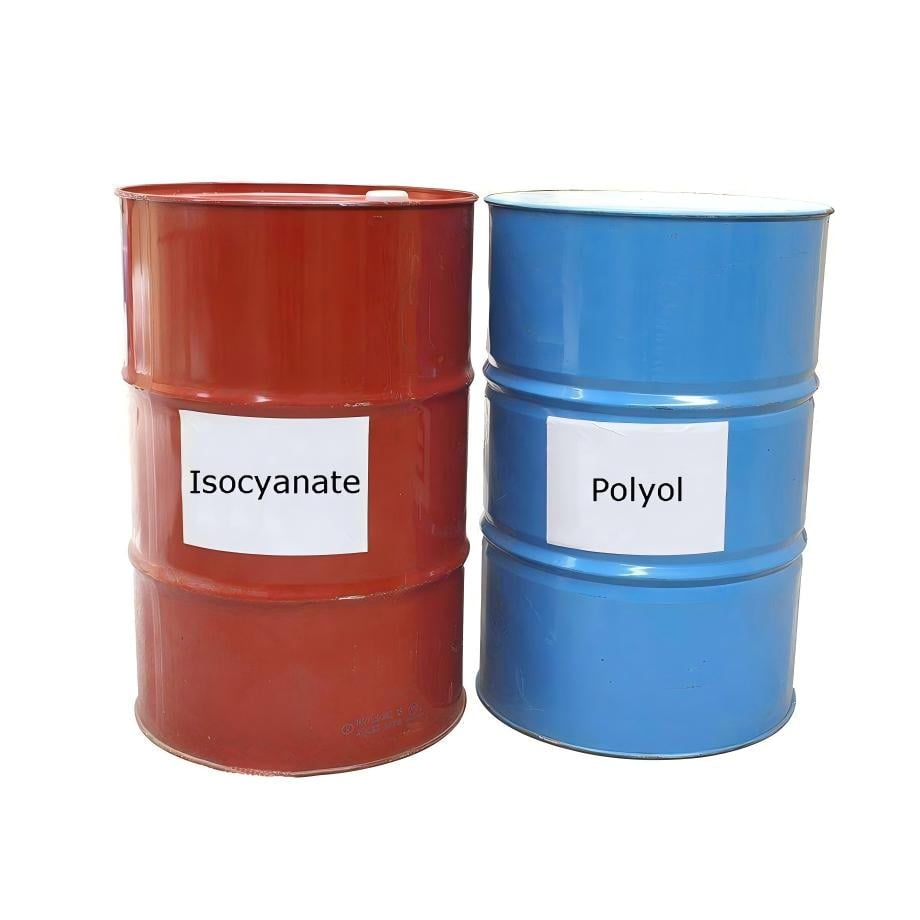
Polyurethane closed cell foam represents a revolutionary advancement in insulation and cushioning technology, offering exceptional performance across diverse industrial and commercial applications. This specialized foam material features a unique cellular structure where individual cells remain completely sealed, preventing air and moisture penetration while maintaining superior structural integrity. The closed cell configuration distinguishes this material from open cell alternatives, creating a dense, resilient barrier that delivers outstanding thermal resistance, moisture protection, and mechanical strength. Manufacturing processes involve precise chemical reactions between polyols and isocyanates, resulting in a foam structure with remarkable consistency and reliability. The technological foundation of polyurethane closed cell foam centers on its ability to trap gases within sealed chambers, creating an effective insulation medium with minimal thermal bridging. This foam demonstrates exceptional dimensional stability, maintaining its shape and properties under varying temperature conditions and mechanical stress. Key functions include thermal insulation for buildings, industrial equipment, and refrigeration systems, where maintaining consistent temperatures proves critical for energy efficiency and operational performance. The material serves as an effective moisture barrier, preventing water infiltration that could compromise structural integrity or create mold growth conditions. Mechanical protection represents another primary function, as the foam absorbs impact forces and vibrations while maintaining its protective characteristics over extended periods. Applications span construction, automotive, marine, aerospace, and packaging industries, where reliable performance under demanding conditions remains essential. The foam's versatility allows for custom formulations tailored to specific requirements, including varying densities, compression strengths, and thermal properties. Advanced manufacturing techniques enable precise control over cell structure, ensuring consistent quality and predictable performance characteristics that meet stringent industry standards and regulatory requirements across multiple sectors.

New Product Releases

Polyurethane closed cell foam delivers exceptional thermal insulation capabilities that significantly reduce energy costs and improve building efficiency. The sealed cellular structure creates multiple thermal barriers, minimizing heat transfer and maintaining consistent indoor temperatures throughout seasonal variations. This superior insulation performance translates directly into lower heating and cooling expenses, making it an economically attractive solution for property owners and facility managers. The foam's moisture resistance properties prevent water absorption, eliminating concerns about degraded insulation performance or structural damage from moisture infiltration. Unlike traditional insulation materials that lose effectiveness when wet, polyurethane closed cell foam maintains its thermal properties even in humid environments or after accidental water exposure. This reliability ensures long-term performance without costly replacements or repairs. Durability stands as another compelling advantage, as the foam resists compression, maintains its shape under load, and withstands temperature fluctuations without cracking or deteriorating. The material's chemical stability prevents breakdown from UV exposure, oxidation, or common industrial chemicals, ensuring decades of reliable service life. Installation efficiency represents a significant benefit, as the foam can be applied directly to surfaces, conforming to irregular shapes and filling gaps that traditional rigid insulation cannot address effectively. This seamless application eliminates thermal bridges and air leaks that compromise overall system performance. The lightweight nature of polyurethane closed cell foam reduces structural loading while providing superior insulation values, making it ideal for applications where weight considerations are critical. Fire resistance characteristics, when properly formulated, enhance safety profiles for building applications, providing additional protection beyond basic insulation functions. The foam's versatility allows for customization to meet specific project requirements, including varying densities for different load-bearing needs or specialized chemical formulations for unique environmental conditions. Environmental benefits include reduced energy consumption, which directly correlates to lower carbon emissions and improved sustainability profiles for buildings and industrial facilities utilizing this advanced insulation technology.

Latest News

Achieving Perfection: The Complete Guide to Professional Polyurea Application

06

Nov

Achieving Perfection: The Complete Guide to Professional Polyurea Application

View More
Polyurea: The Ultimate Protective Coating for Demanding Applications Across Industries

06

Nov

Polyurea: The Ultimate Protective Coating for Demanding Applications Across Industries

View More
Spray Foam Insulation: Unlocking the Full Potential of Your Build with the Right Choice

06

Nov

Spray Foam Insulation: Unlocking the Full Potential of Your Build with the Right Choice

View More

Get a Free Quote

Our representative will contact you soon.
Email
Whatsapp or Tel
Name
Company Name
Message
0/1000

polyurethane closed cell foam

Superior Thermal Performance and Energy Efficiency

Superior Thermal Performance and Energy Efficiency

Polyurethane closed cell foam achieves exceptional thermal performance through its unique cellular architecture, delivering R-values significantly higher than conventional insulation materials. The closed cell structure creates thousands of individual thermal barriers within each cubic inch, effectively blocking heat transfer through conduction, convection, and radiation mechanisms. This advanced thermal resistance translates into substantial energy savings, with properly installed polyurethane closed cell foam reducing heating and cooling costs by up to 50 percent compared to traditional insulation methods. The foam's thermal conductivity remains consistently low across wide temperature ranges, ensuring reliable performance in extreme climates from arctic conditions to desert heat. This stability eliminates the performance degradation common in other insulation materials that experience thermal cycling. The seamless application capability of polyurethane closed cell foam eliminates thermal bridging, a significant source of energy loss in buildings where structural elements create pathways for heat transfer. By conforming perfectly to irregular surfaces and filling every void, the foam creates a continuous thermal envelope that maintains consistent interior temperatures with minimal energy input. Professional testing demonstrates that polyurethane closed cell foam maintains its thermal properties for decades, providing long-term return on investment through sustained energy savings. The material's thermal aging characteristics show minimal property degradation over time, ensuring that initial performance levels remain stable throughout the material's service life. Advanced formulations can achieve specific thermal targets, allowing engineers to optimize insulation systems for particular climate zones or building performance standards. This precision enables compliance with increasingly stringent energy codes while providing building owners with measurable energy cost reductions. The environmental impact of improved thermal performance extends beyond individual buildings, as widespread adoption of polyurethane closed cell foam contributes to reduced overall energy consumption and lower greenhouse gas emissions from building operations.
Exceptional Moisture Protection and Structural Integrity

Exceptional Moisture Protection and Structural Integrity

Polyurethane closed cell foam provides unparalleled moisture protection through its completely sealed cellular structure, preventing water vapor transmission and liquid water penetration that can compromise building integrity and insulation performance. The closed cell configuration creates an impermeable barrier with extremely low water absorption rates, typically less than 2 percent by volume even under prolonged exposure conditions. This moisture resistance prevents the formation of condensation within wall assemblies, eliminating conditions that promote mold growth, wood rot, and metal corrosion. The foam's ability to maintain structural integrity when exposed to moisture sets it apart from traditional insulation materials that lose effectiveness and require replacement after water exposure incidents. Vapor permeability ratings for polyurethane closed cell foam exceed requirements for vapor barriers in most building codes, simplifying construction details and reducing the need for additional moisture control systems. The material's resistance to freeze-thaw cycles makes it particularly valuable in cold climates where moisture infiltration and subsequent freezing can cause significant structural damage. Laboratory testing demonstrates that polyurethane closed cell foam maintains its dimensional stability and mechanical properties even after repeated freeze-thaw exposure, ensuring long-term structural protection. The foam's moisture resistance extends to salt water environments, making it ideal for marine applications where conventional materials quickly deteriorate from salt exposure and humidity. Advanced chemical formulations provide enhanced resistance to specific moisture-related challenges, including high humidity environments, driving rain conditions, and ground moisture contact situations. The self-sealing properties of polyurethane closed cell foam help prevent moisture infiltration at penetrations and joints, maintaining the integrity of the moisture barrier even when minor damage occurs. This resilience reduces maintenance requirements and extends service life compared to traditional moisture control systems that require regular inspection and repair. Building envelope applications benefit from the dual function of thermal insulation and moisture protection, simplifying construction while improving overall building performance and occupant comfort.
Versatile Applications and Long-Term Durability

Versatile Applications and Long-Term Durability

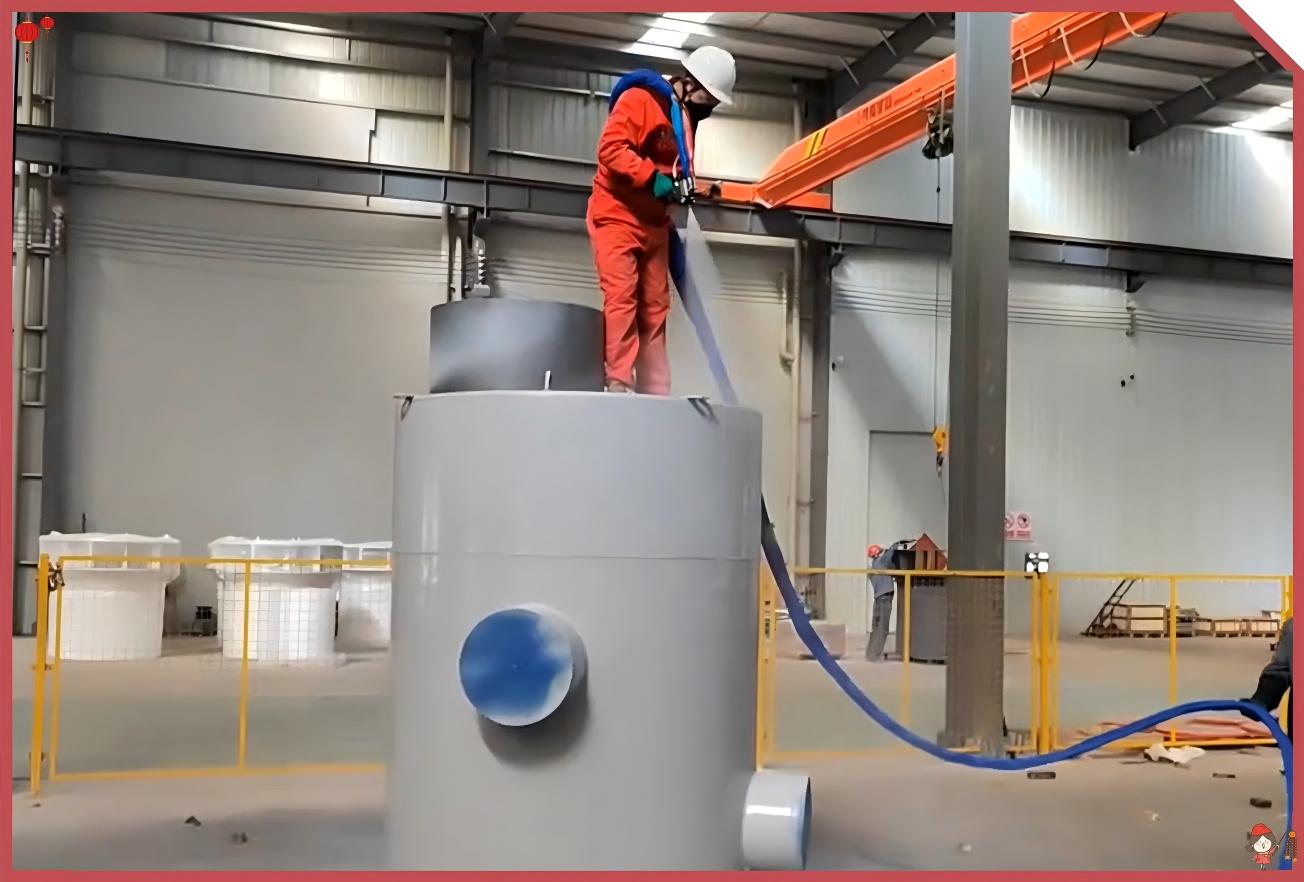
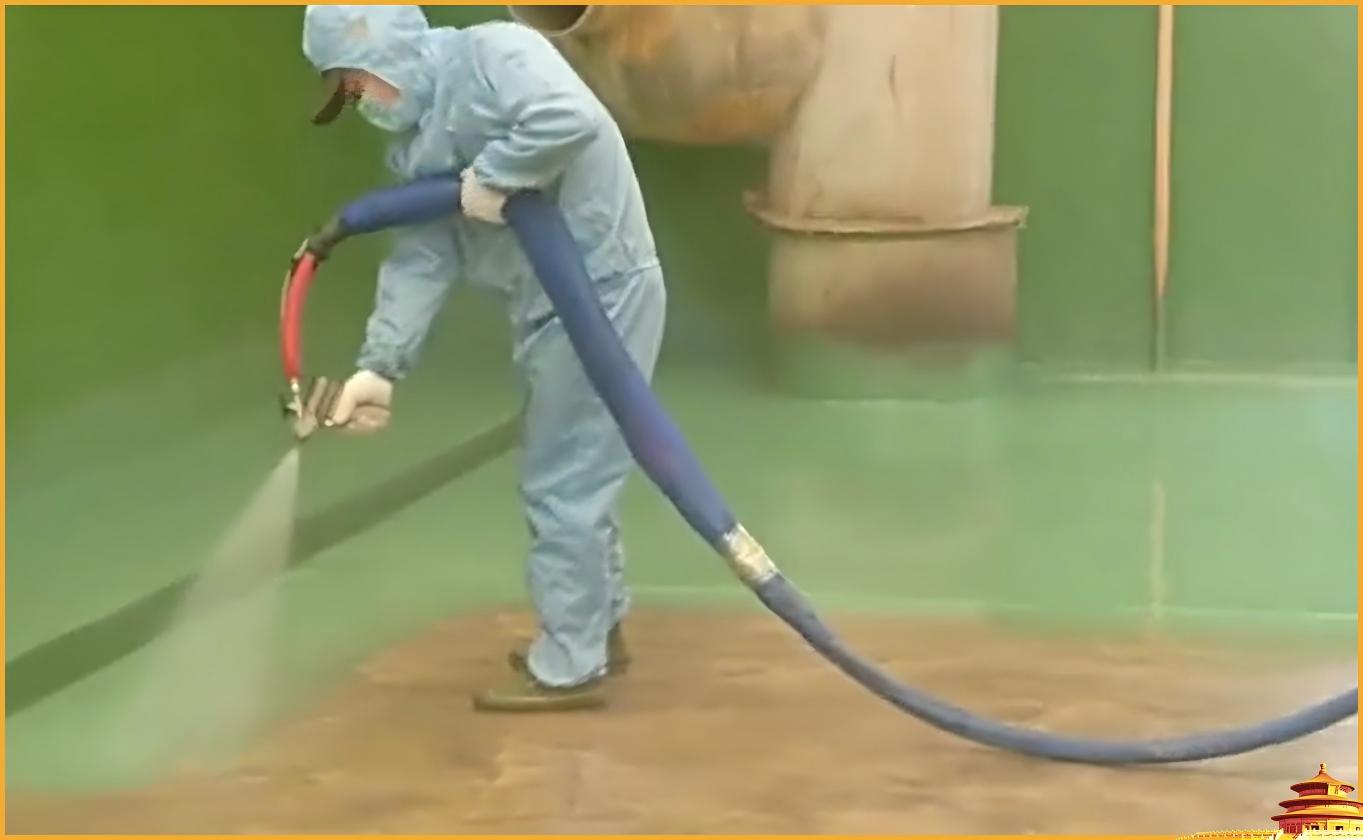
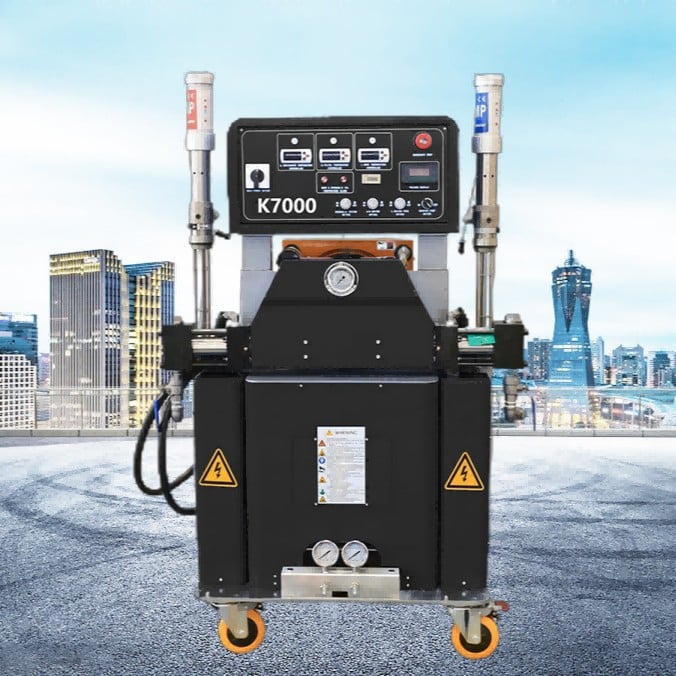
Polyurethane closed cell foam demonstrates remarkable versatility across diverse applications, from residential construction to specialized industrial uses, while maintaining consistent performance characteristics that ensure long-term value and reliability. The material's adaptability allows for custom formulations tailored to specific requirements, including varying densities from lightweight insulation applications to high-strength structural support systems. Construction applications benefit from the foam's ability to conform to complex geometries, filling irregular spaces and providing continuous insulation around structural elements that would be difficult to address with rigid insulation boards. Industrial applications leverage the foam's chemical resistance and mechanical strength for equipment insulation, pipe protection, and vibration dampening in harsh operating environments. Marine industry adoption has grown significantly due to the foam's resistance to salt water, humidity, and temperature fluctuations common in maritime environments. Aerospace applications utilize specialized formulations of polyurethane closed cell foam for weight-critical insulation systems where performance cannot be compromised. The material's dimensional stability under varying loads makes it suitable for applications requiring consistent compression resistance over extended periods. Packaging applications benefit from the foam's shock absorption capabilities and moisture resistance, protecting sensitive equipment during shipping and storage. Long-term durability testing demonstrates that properly formulated polyurethane closed cell foam maintains its essential properties for decades, with minimal degradation from UV exposure, oxidation, or thermal cycling. The material's resistance to common chemicals found in industrial environments ensures continued performance without premature failure or property degradation. Installation flexibility allows for spray application, pour-in-place systems, or pre-formed components, adapting to various project requirements and installation constraints. Quality control measures ensure consistent cell structure and properties across production batches, providing predictable performance for engineers and contractors. The foam's compatibility with various substrates eliminates adhesion concerns that affect other insulation materials, ensuring reliable long-term attachment to steel, concrete, wood, and composite surfaces without additional mechanical fastening systems.
Premium Polyurethane Closed Cell Foam - Superior Insulation & Moisture Protection Solutions

Get a Free Quote

Our representative will contact you soon.
Email
Whatsapp or Tel
Name
Company Name
Message
0/1000

Get a Free Quote

Our representative will contact you soon.
Email
Whatsapp or Tel
Name
Company Name
Message
0/1000