polyurethane foam cost
Understanding polyurethane foam cost is essential for businesses and consumers seeking effective insulation and cushioning solutions. Polyurethane foam represents a versatile material engineered to provide superior performance across multiple applications. The polyurethane foam cost varies based on density, formulation, and production volume, making it important to evaluate your specific requirements before purchasing.
Polyurethane foam functions primarily as an insulator, sound absorber, and cushioning agent. Its cellular structure traps air within millions of tiny cells, creating an effective barrier against heat transfer and external noise. This technology enables polyurethane foam cost-efficiency when considering long-term energy savings and durability benefits.
The technological features of polyurethane foam include its closed-cell or open-cell configuration, each offering distinct advantages. Closed-cell foam provides superior moisture resistance and structural integrity, while open-cell foam excels in acoustic absorption. Understanding these specifications helps justify polyurethane foam cost investments for your particular application.
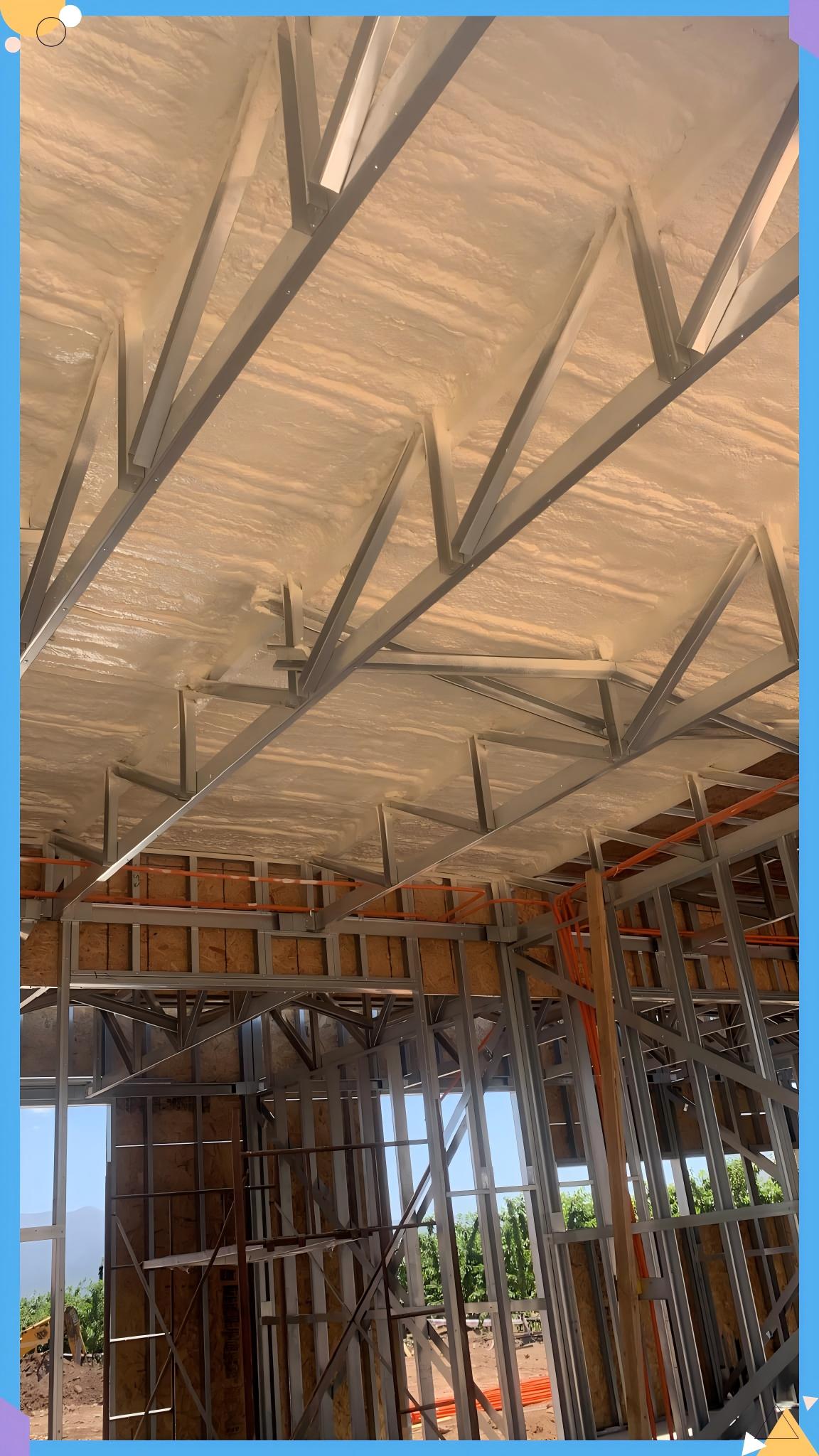
Applications span residential insulation, automotive seating, refrigeration systems, and industrial packaging. Commercial buildings utilize polyurethane foam for energy efficiency, while manufacturers appreciate its protective qualities. The polyurethane foam cost becomes justified when considering performance metrics, lifespan expectations, and operational efficiency gains across these diverse sectors.
 ×
×





 EN
EN