closed cell polyurethane foam insulation
Closed cell polyurethane foam insulation represents a advanced thermal barrier solution engineered for superior energy efficiency and structural performance. This specialized insulation material features densely packed cells that create an impermeable barrier, distinguishing it from open cell alternatives. Closed cell polyurethane foam insulation delivers exceptional thermal resistance with R-values typically ranging from 6 to 8 per inch, significantly outperforming traditional fiberglass or cellulose options.
The technological features of closed cell polyurethane foam insulation include its rigid foam structure, which provides both insulating properties and structural reinforcement. The cells remain completely sealed, preventing moisture penetration and air infiltration that compromise thermal performance. This construction method enables closed cell polyurethane foam insulation to maintain consistent performance across varying climatic conditions.
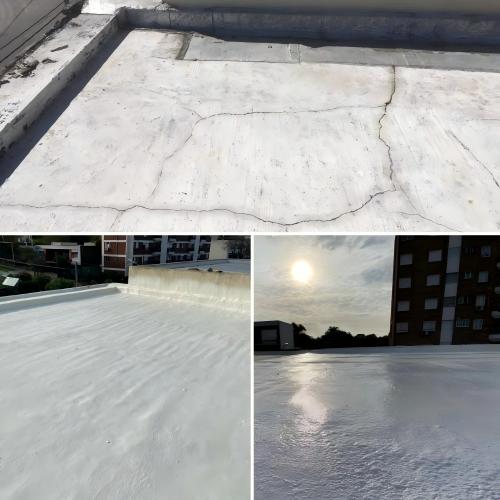
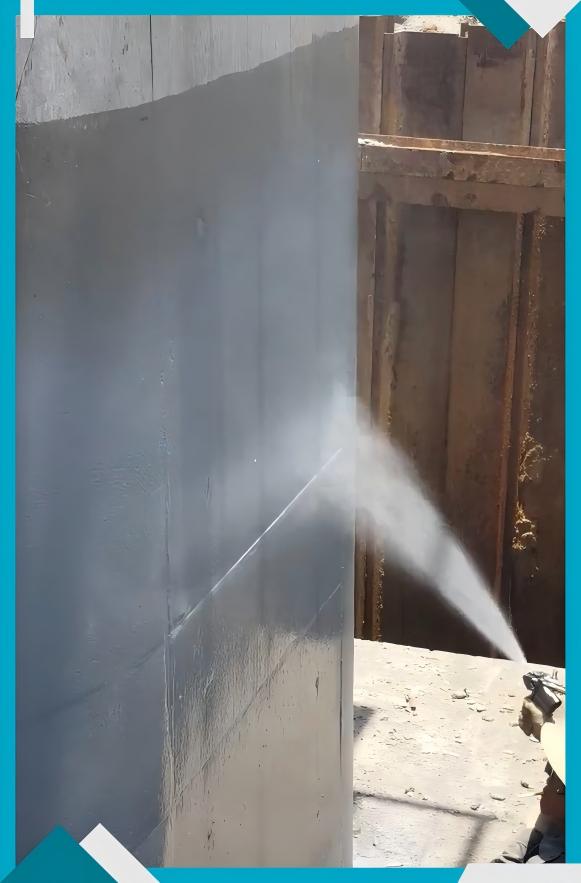
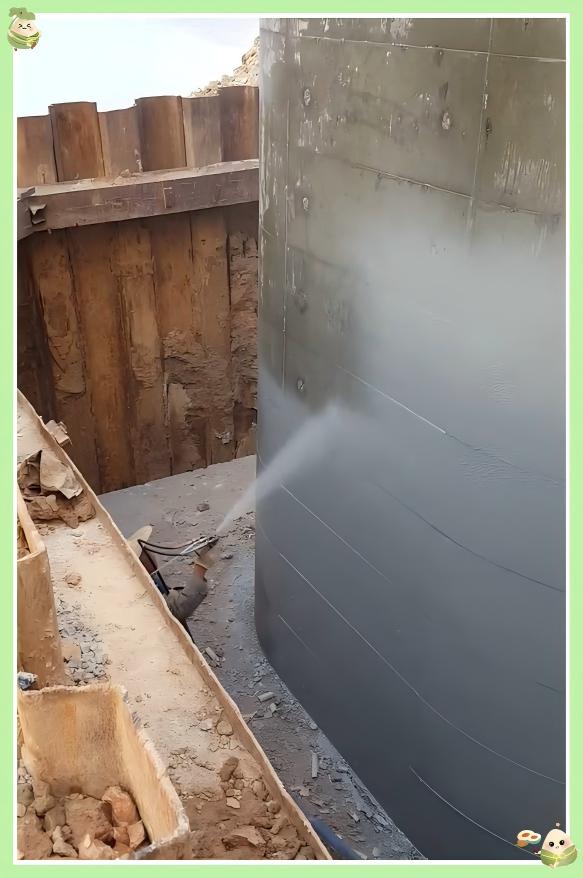
Applications for closed cell polyurethane foam insulation span residential, commercial, and industrial sectors. Homeowners utilize this material for attic insulation, wall cavities, and basement finishing projects. Commercial properties benefit from closed cell polyurethane foam insulation in roof assemblies, below-grade walls, and pipe protection systems. Industrial applications include cold storage facilities, refrigerated transport containers, and specialized manufacturing environments where temperature control remains critical.
The chemical composition creates a durable barrier resistant to degradation, ensuring long-term performance without settling or compression. Closed cell polyurethane foam insulation adapts seamlessly to irregular surfaces and building cavities, providing complete coverage that minimizes thermal bridging and energy loss throughout structures.
 ×
×




 EN
EN