Advanced Polyurethane Foam Systems: Superior Insulation Solutions for Modern Construction

Get a Free Quote

Our representative will contact you soon.
Email
Whatsapp or Tel
Name
Company Name
Message
0/1000

polyurethane foam systems

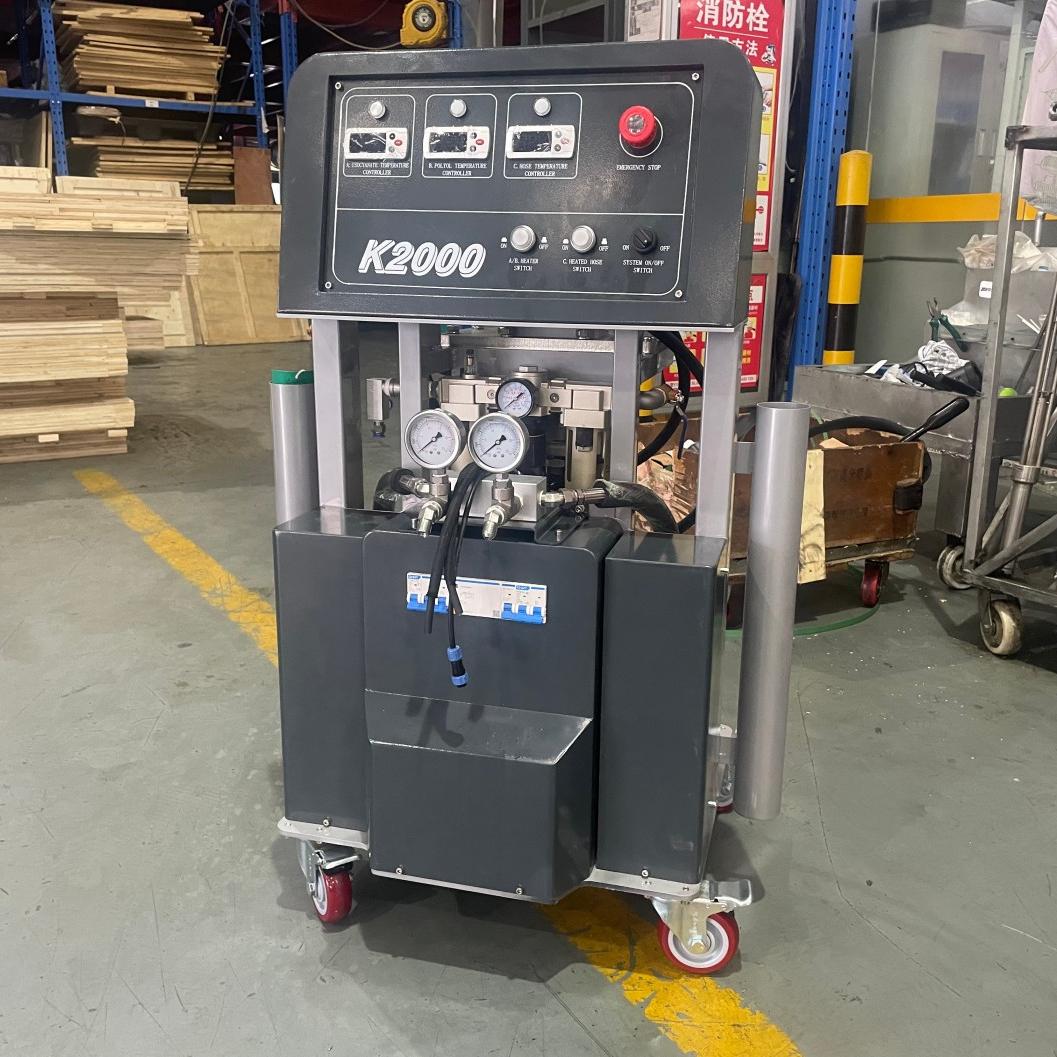
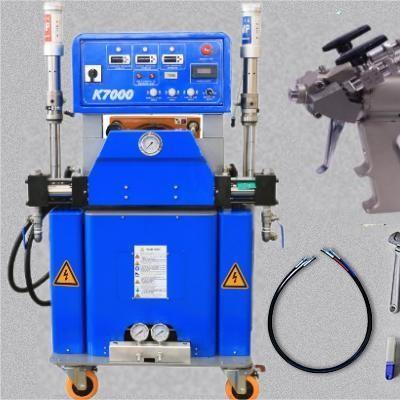
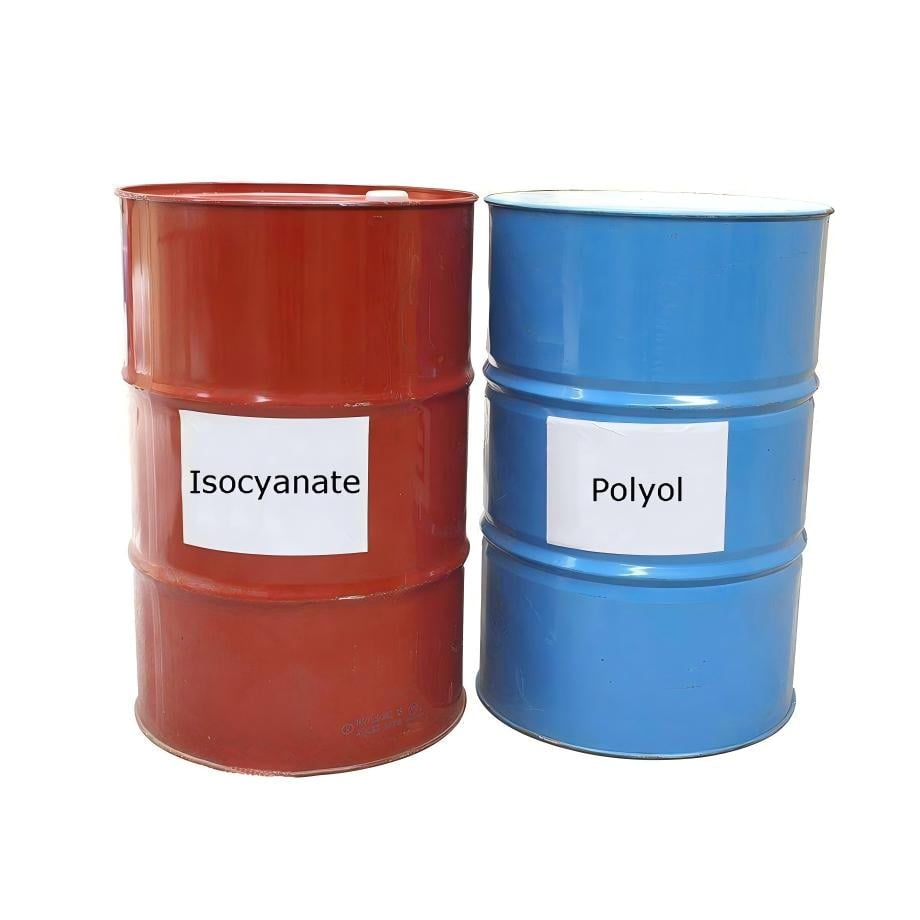
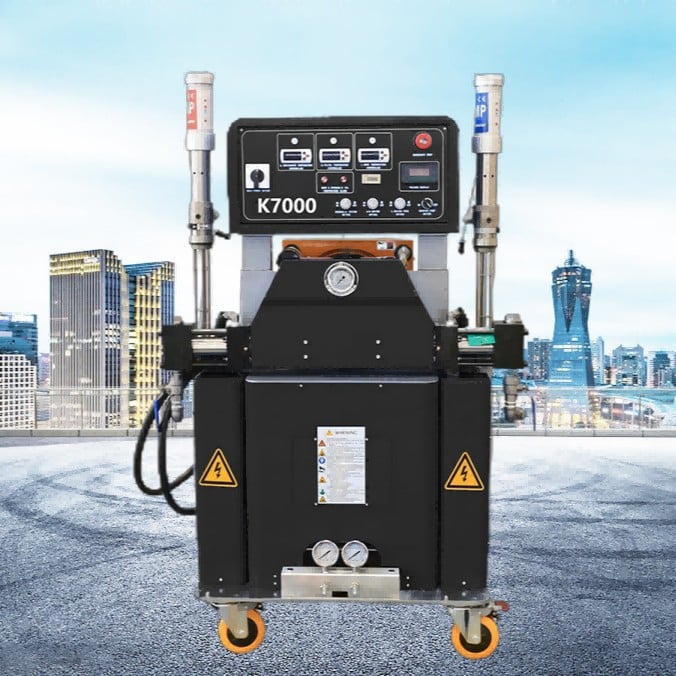
Polyurethane foam systems represent a revolutionary advancement in materials technology, delivering exceptional versatility across numerous industrial and commercial applications. These sophisticated chemical formulations consist of two primary components: polyol and isocyanate, which react together to create cellular foam structures with remarkable properties. The reaction process involves careful temperature control and precise mixing ratios to achieve optimal foam characteristics. Modern polyurethane foam systems offer engineers and manufacturers unprecedented control over density, hardness, and cellular structure. The technology encompasses both flexible and rigid foam variants, each engineered for specific performance requirements. Flexible polyurethane foam systems excel in comfort applications, providing superior cushioning and support characteristics. These systems demonstrate excellent resilience, returning to original shape after compression while maintaining structural integrity over extended periods. Rigid polyurethane foam systems deliver outstanding thermal insulation properties, making them indispensable for energy-efficient construction and refrigeration applications. The closed-cell structure of rigid foams provides exceptional thermal resistance, significantly reducing heat transfer rates. Manufacturing processes for polyurethane foam systems have evolved to incorporate advanced automation and quality control measures. Computer-controlled dispensing equipment ensures consistent foam properties and reduces material waste. Environmental considerations have driven development of water-blown and carbon dioxide-blown formulations, reducing reliance on traditional blowing agents. These eco-friendly polyurethane foam systems maintain performance standards while minimizing environmental impact. Quality testing protocols verify foam density, compression strength, thermal conductivity, and flame resistance properties. Modern polyurethane foam systems undergo rigorous certification processes to meet international safety and performance standards. The technology continues advancing through research in bio-based polyols and renewable raw materials, positioning polyurethane foam systems as sustainable solutions for future applications.

New Products

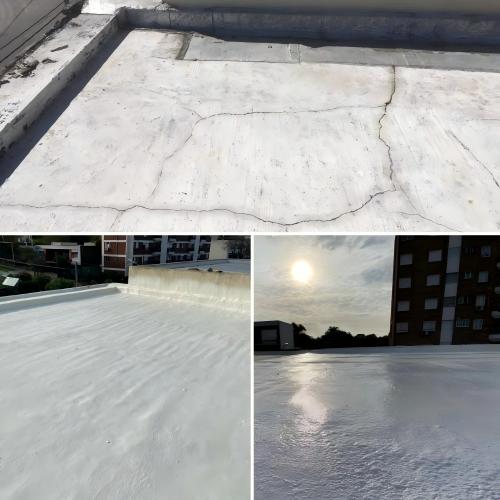
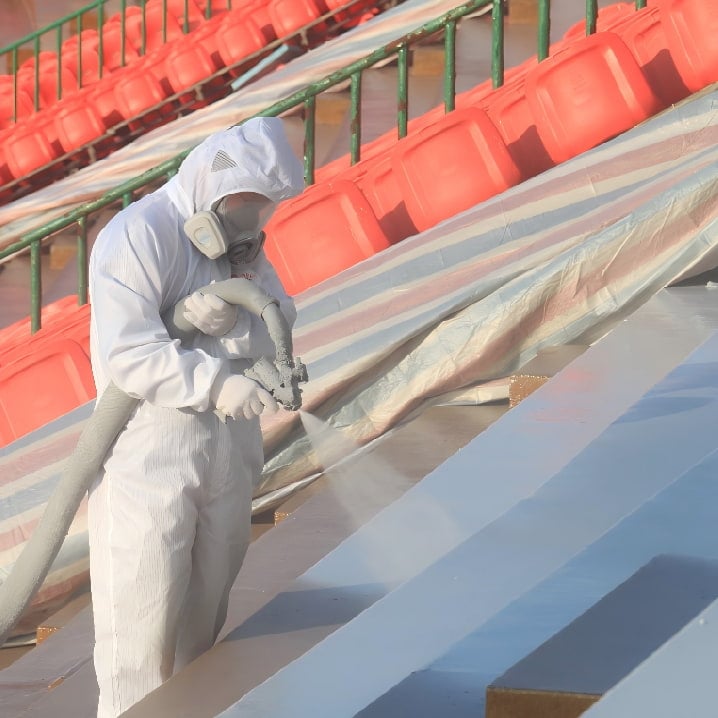
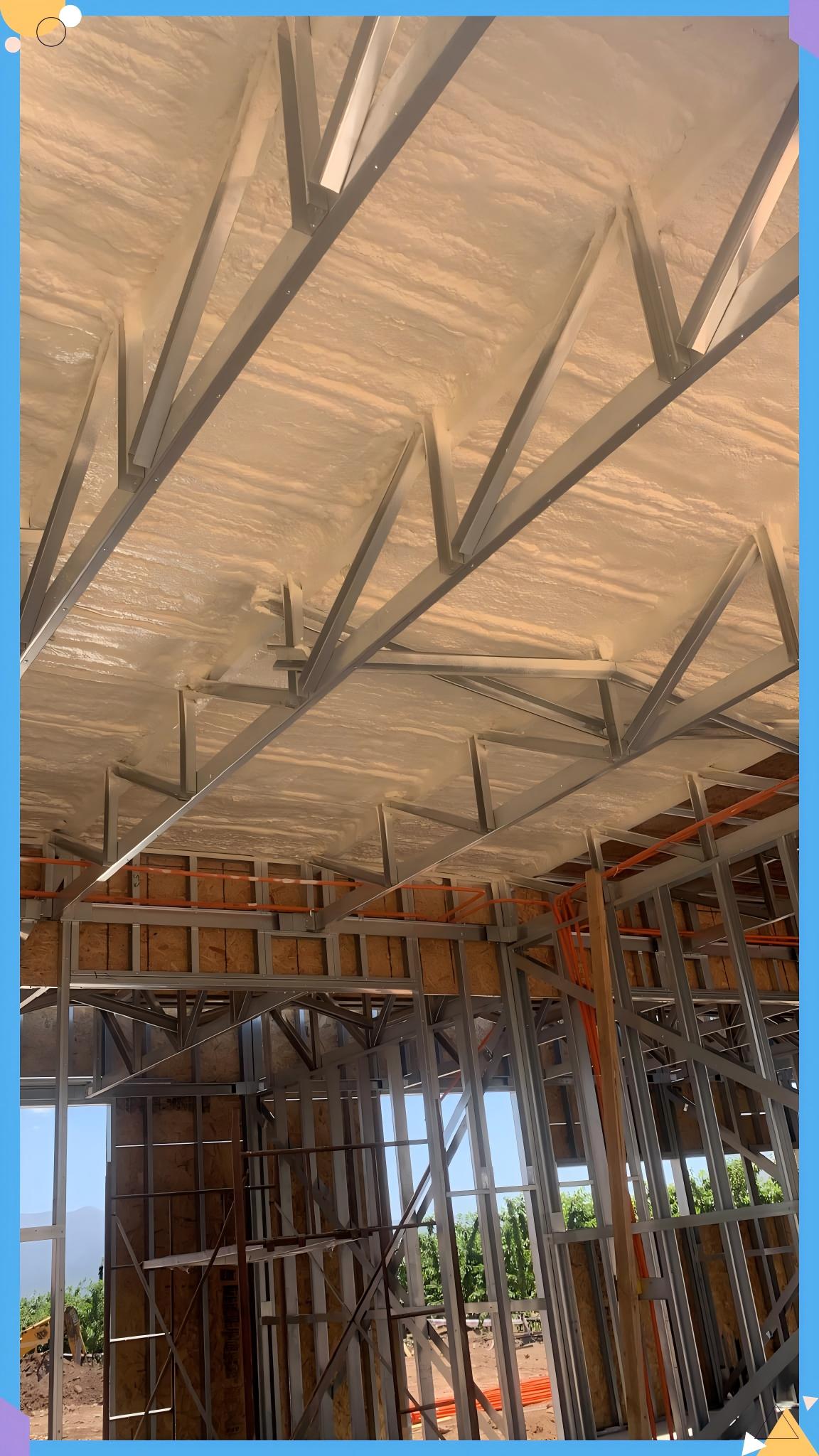
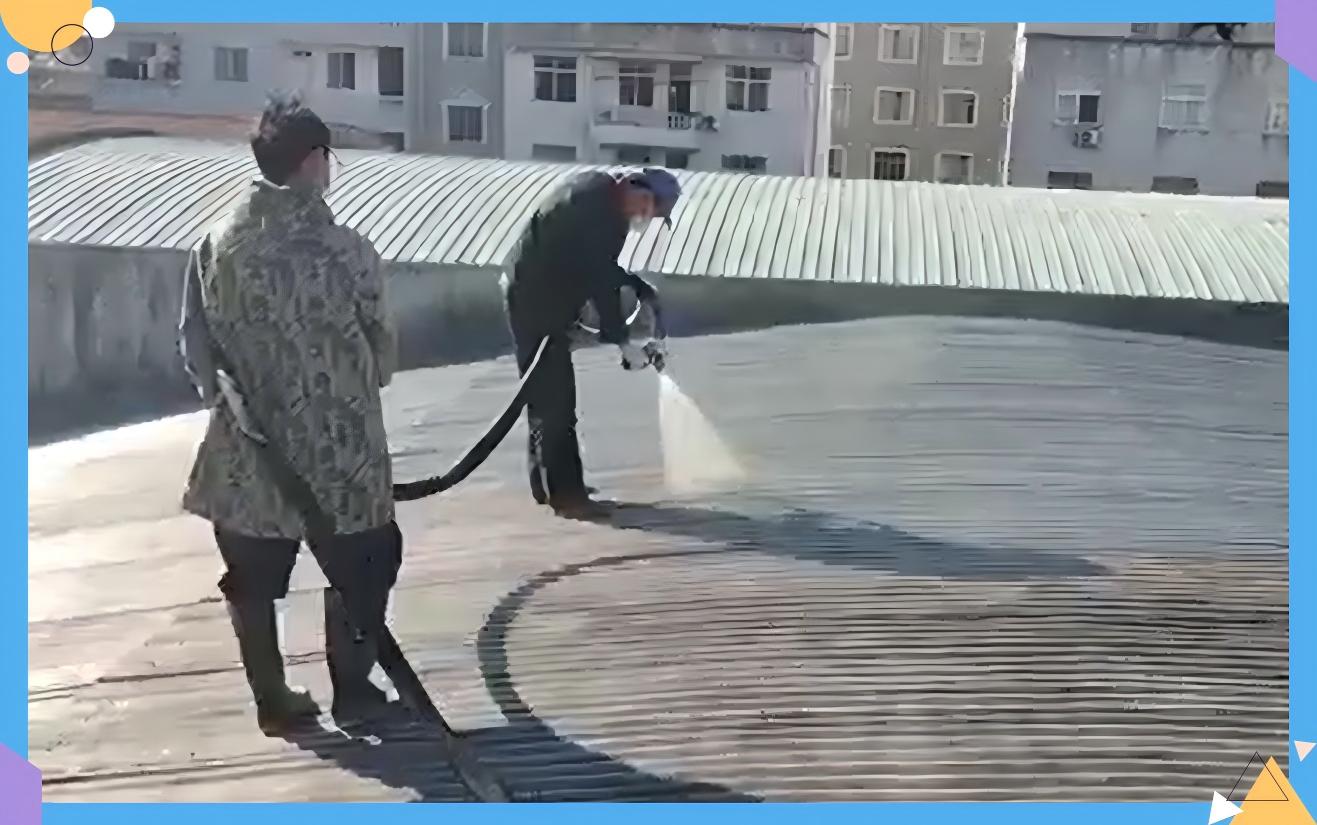
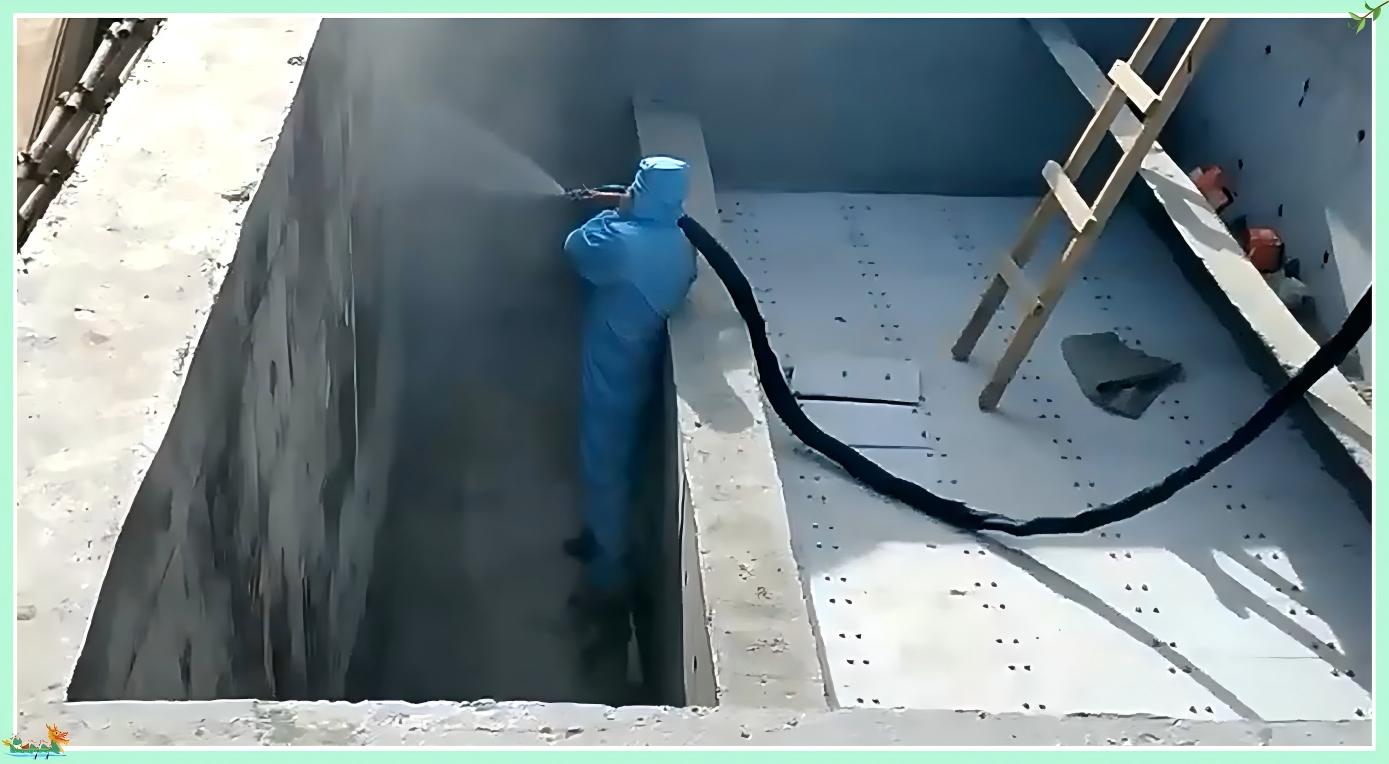
Polyurethane foam systems deliver remarkable energy efficiency benefits that translate directly into cost savings for building owners and operators. These advanced materials provide superior thermal insulation properties, creating effective barriers against heat transfer that reduce heating and cooling expenses by up to forty percent compared to traditional insulation methods. The exceptional insulation performance stems from the closed-cell structure that traps air within microscopic bubbles, creating millions of thermal breaks throughout the material. Building contractors appreciate how polyurethane foam systems eliminate thermal bridging, preventing energy loss through structural elements that plague conventional insulation approaches. Installation teams benefit from the seamless application process that fills gaps and voids automatically, ensuring complete coverage without manual cutting or fitting. The spray application method allows technicians to cover complex geometries and hard-to-reach areas with consistent thickness and density. Time savings during installation projects can reach fifty percent compared to traditional batt insulation methods, reducing labor costs significantly. Polyurethane foam systems demonstrate exceptional durability that maintains performance characteristics for decades without degradation or settling. Unlike fiberglass or cellulose alternatives, these foam systems resist moisture absorption, preventing mold growth and structural damage that compromise building integrity. The chemical stability of properly formulated polyurethane foam systems ensures consistent thermal performance throughout the building lifetime. Maintenance requirements remain minimal due to the permanent bond these systems form with substrate materials. Fire retardant formulations meet stringent building codes while maintaining excellent thermal properties. The lightweight nature of polyurethane foam systems reduces structural loading on buildings, allowing architects greater design flexibility. Acoustic benefits include superior sound dampening properties that improve indoor comfort levels. Environmental advantages encompass reduced energy consumption throughout building lifecycles, contributing to sustainable construction practices. Manufacturing facilities utilizing polyurethane foam systems report improved product quality and reduced production costs due to consistent material properties and automated application processes.

Latest News

Achieving Perfection: The Complete Guide to Professional Polyurea Application

06

Nov

Achieving Perfection: The Complete Guide to Professional Polyurea Application

View More
Polyurea: The Ultimate Protective Coating for Demanding Applications Across Industries

06

Nov

Polyurea: The Ultimate Protective Coating for Demanding Applications Across Industries

View More
Spray Foam Insulation: Unlocking the Full Potential of Your Build with the Right Choice

06

Nov

Spray Foam Insulation: Unlocking the Full Potential of Your Build with the Right Choice

View More

Get a Free Quote

Our representative will contact you soon.
Email
Whatsapp or Tel
Name
Company Name
Message
0/1000

polyurethane foam systems

Superior Thermal Insulation Performance

Superior Thermal Insulation Performance

The thermal insulation capabilities of polyurethane foam systems represent the gold standard in building energy efficiency, delivering R-values that consistently outperform traditional insulation materials by significant margins. These remarkable thermal properties result from the unique cellular structure created during the foaming process, where millions of tiny closed cells form an interconnected network that effectively traps air and prevents heat transfer. The science behind this exceptional performance lies in the low thermal conductivity of the trapped gases within each cell, typically ranging from 0.020 to 0.028 W/mK depending on the specific formulation and density. Professional building contractors and energy auditors consistently document energy savings between thirty and fifty percent when polyurethane foam systems replace conventional insulation methods. The continuous insulation barrier created by these systems eliminates thermal bridging that occurs with traditional batt insulation, where structural elements create pathways for heat loss. This seamless coverage proves particularly valuable in complex building geometries where conventional insulation materials struggle to provide complete coverage. Commercial building owners report dramatic reductions in HVAC operating costs, with payback periods typically ranging from three to seven years depending on local energy prices and climate conditions. The moisture resistance properties of polyurethane foam systems prevent the thermal degradation that affects other insulation types when exposed to humidity or water intrusion. Laboratory testing demonstrates that properly installed polyurethane foam systems maintain their thermal properties for over fifty years, providing long-term energy savings that compound over the building lifetime. Quality control measures during manufacturing ensure consistent thermal performance across different production batches, giving specifiers confidence in predicted energy savings calculations. The environmental benefits extend beyond energy savings to include reduced carbon footprint from lower heating and cooling demands, supporting green building certification programs.
Exceptional Versatility and Application Range

Exceptional Versatility and Application Range

Polyurethane foam systems demonstrate unparalleled versatility across diverse industries and applications, adapting to meet specific performance requirements through precise chemical formulation adjustments. This remarkable adaptability stems from the fundamental chemistry that allows manufacturers to modify density, hardness, flame resistance, and cellular structure to match exact application needs. Automotive manufacturers rely on polyurethane foam systems for seating comfort, noise dampening, and structural reinforcement applications, where consistent quality and performance remain critical for passenger safety and satisfaction. The furniture industry benefits from flexible polyurethane foam systems that provide superior comfort and durability in mattresses, cushions, and upholstered products, maintaining shape and support through millions of compression cycles. Construction professionals utilize rigid polyurethane foam systems for roofing, wall insulation, and foundation applications, where moisture resistance and thermal performance create long-lasting building envelope solutions. Marine applications showcase the chemical resistance and moisture barrier properties of specialized polyurethane foam systems designed for harsh saltwater environments. Refrigeration and cold storage facilities depend on these foam systems to maintain precise temperature control while minimizing energy consumption through superior insulation performance. Packaging industries employ polyurethane foam systems for protective cushioning that absorbs impact energy while returning to original shape, protecting valuable goods during shipping and handling. Aerospace applications require lightweight polyurethane foam systems that meet strict fire safety regulations while providing thermal and acoustic insulation in aircraft interiors. Medical device manufacturers specify biocompatible polyurethane foam systems for patient comfort and safety applications, including wheelchair cushions and hospital mattresses. Electronic equipment enclosures utilize polyurethane foam systems for thermal management and vibration dampening, protecting sensitive components from environmental stresses. Research and development efforts continue expanding application possibilities through innovative formulations that address emerging market needs and regulatory requirements.
Advanced Manufacturing and Quality Control

Advanced Manufacturing and Quality Control

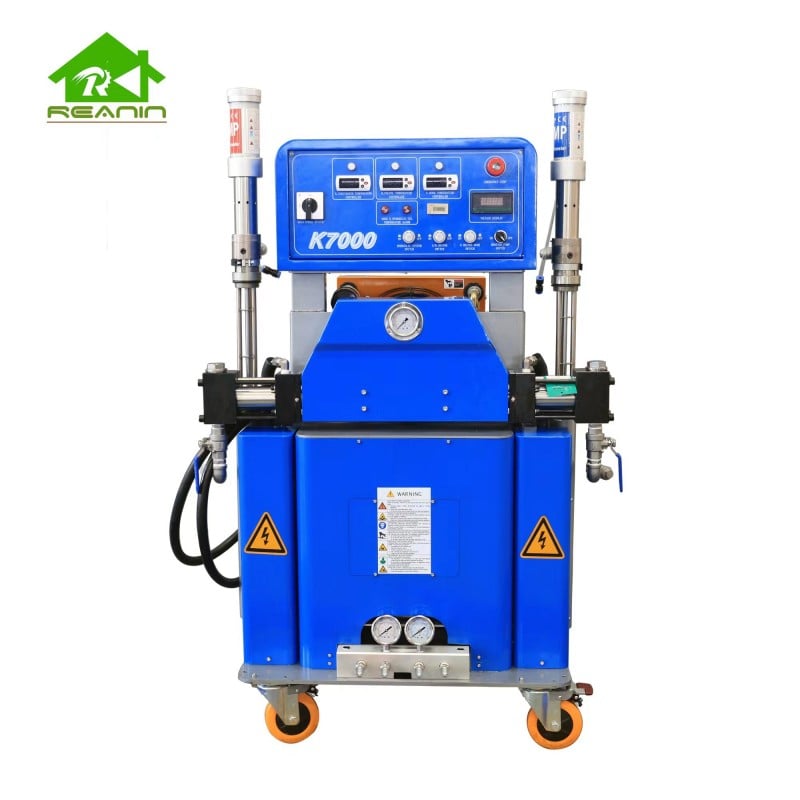
Modern polyurethane foam systems incorporate sophisticated manufacturing technologies and stringent quality control protocols that ensure consistent product performance and reliability across all applications. State-of-the-art production facilities utilize computer-controlled dispensing equipment that precisely meters component ratios, mixing parameters, and processing conditions to achieve optimal foam characteristics. These automated systems eliminate human error variables that could affect foam density, cell structure, or chemical properties, resulting in batch-to-batch consistency that meets the most demanding specifications. Real-time monitoring systems track temperature profiles, pressure conditions, and chemical reaction rates throughout the manufacturing process, automatically adjusting parameters to maintain product quality standards. Laboratory testing protocols verify multiple performance characteristics including compressive strength, thermal conductivity, flame resistance, and dimensional stability under various environmental conditions. Quality assurance teams conduct regular audits of raw material suppliers to ensure consistent feedstock quality that directly impacts final foam properties. Traceability systems document the complete production history for each batch, enabling rapid response to any quality issues and supporting continuous improvement initiatives. Environmental monitoring ensures manufacturing processes meet strict emission standards while minimizing waste generation through optimized material utilization. Research laboratories continuously develop improved formulations that enhance performance characteristics while reducing environmental impact through bio-based raw materials and recyclable components. Technical support teams work directly with customers to optimize application techniques and troubleshoot installation challenges, ensuring successful project outcomes. Training programs educate installation contractors on proper handling, storage, and application procedures that maximize foam performance and safety. Certification programs verify that polyurethane foam systems meet international standards for building codes, fire safety, and environmental regulations. Investment in advanced manufacturing equipment and quality control systems demonstrates the industry commitment to delivering reliable, high-performance polyurethane foam systems that exceed customer expectations while supporting sustainable construction practices.
Advanced Polyurethane Foam Systems: Superior Insulation Solutions for Modern Construction

Get a Free Quote

Our representative will contact you soon.
Email
Whatsapp or Tel
Name
Company Name
Message
0/1000

Get a Free Quote

Our representative will contact you soon.
Email
Whatsapp or Tel
Name
Company Name
Message
0/1000