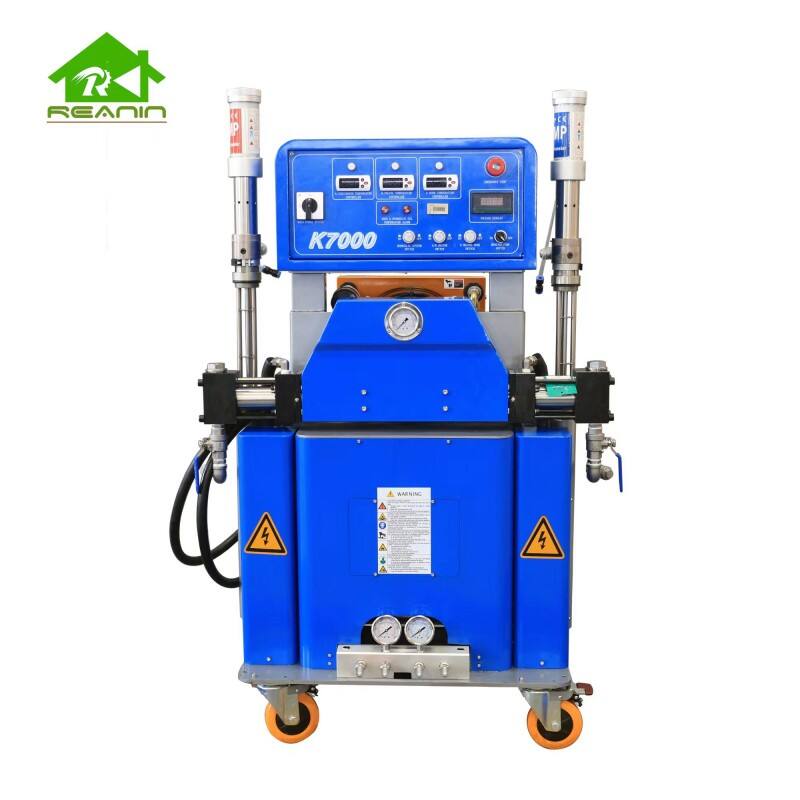
foam insulation equipment
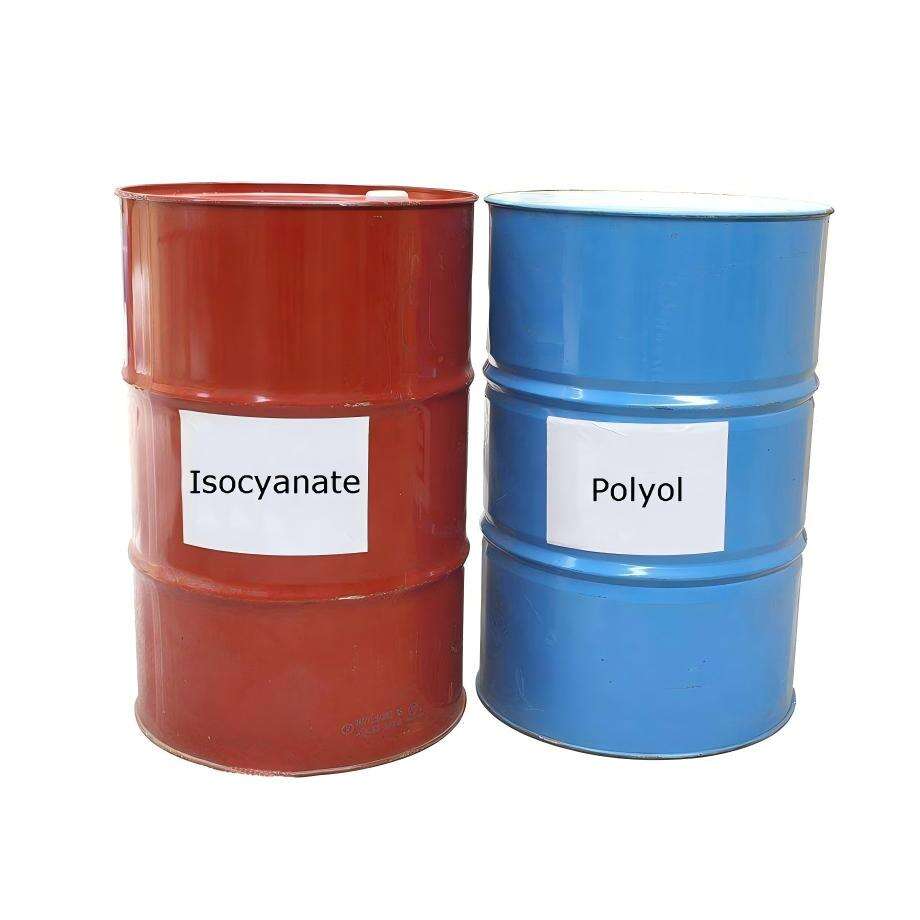
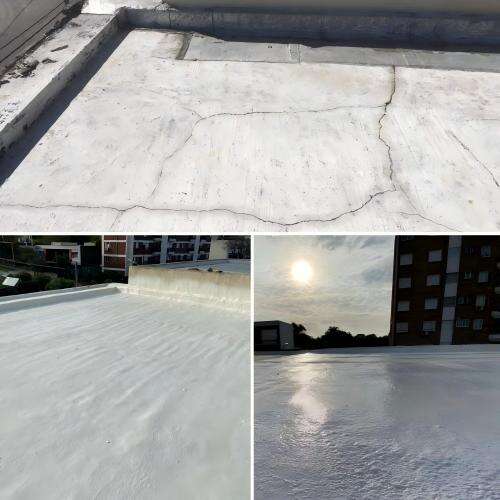
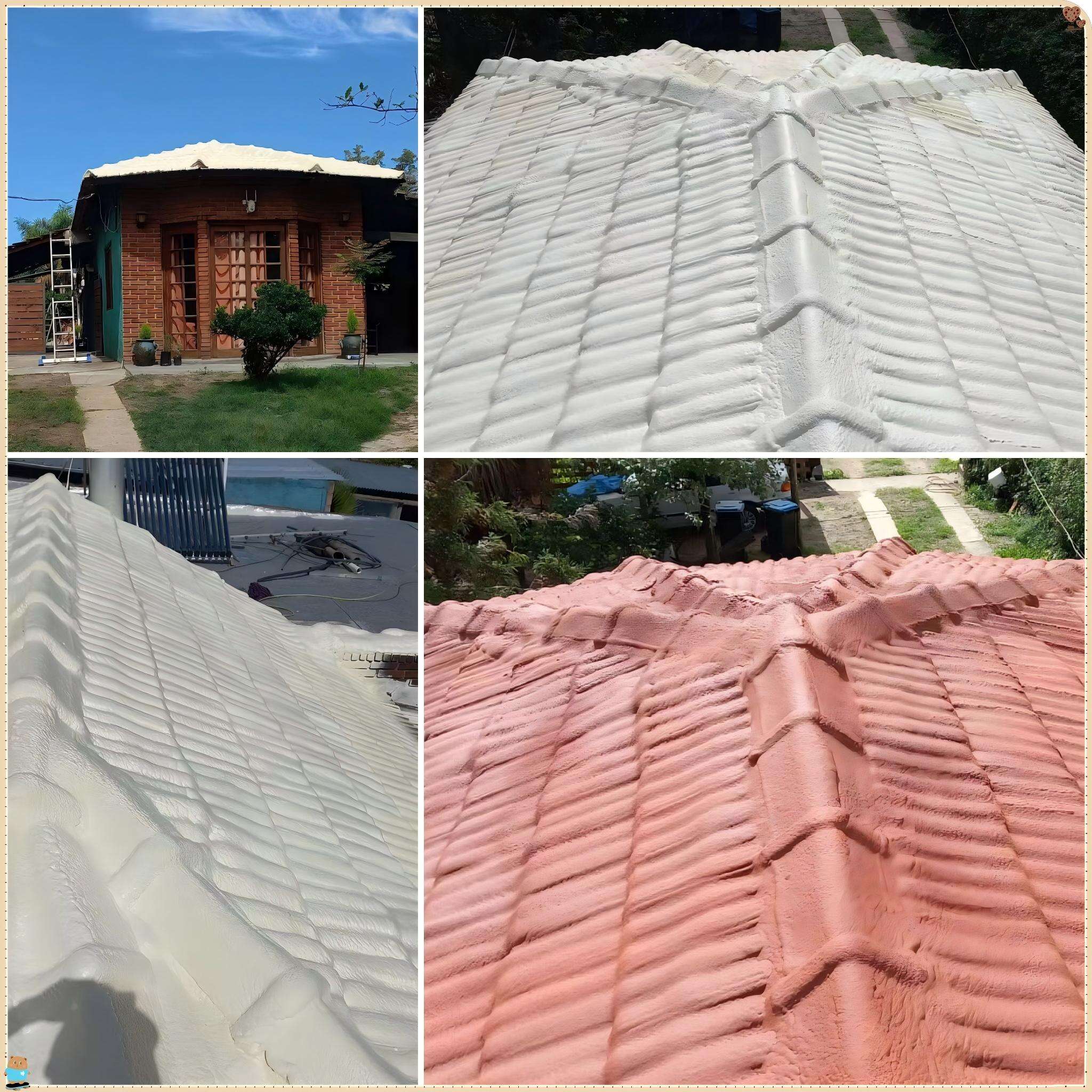
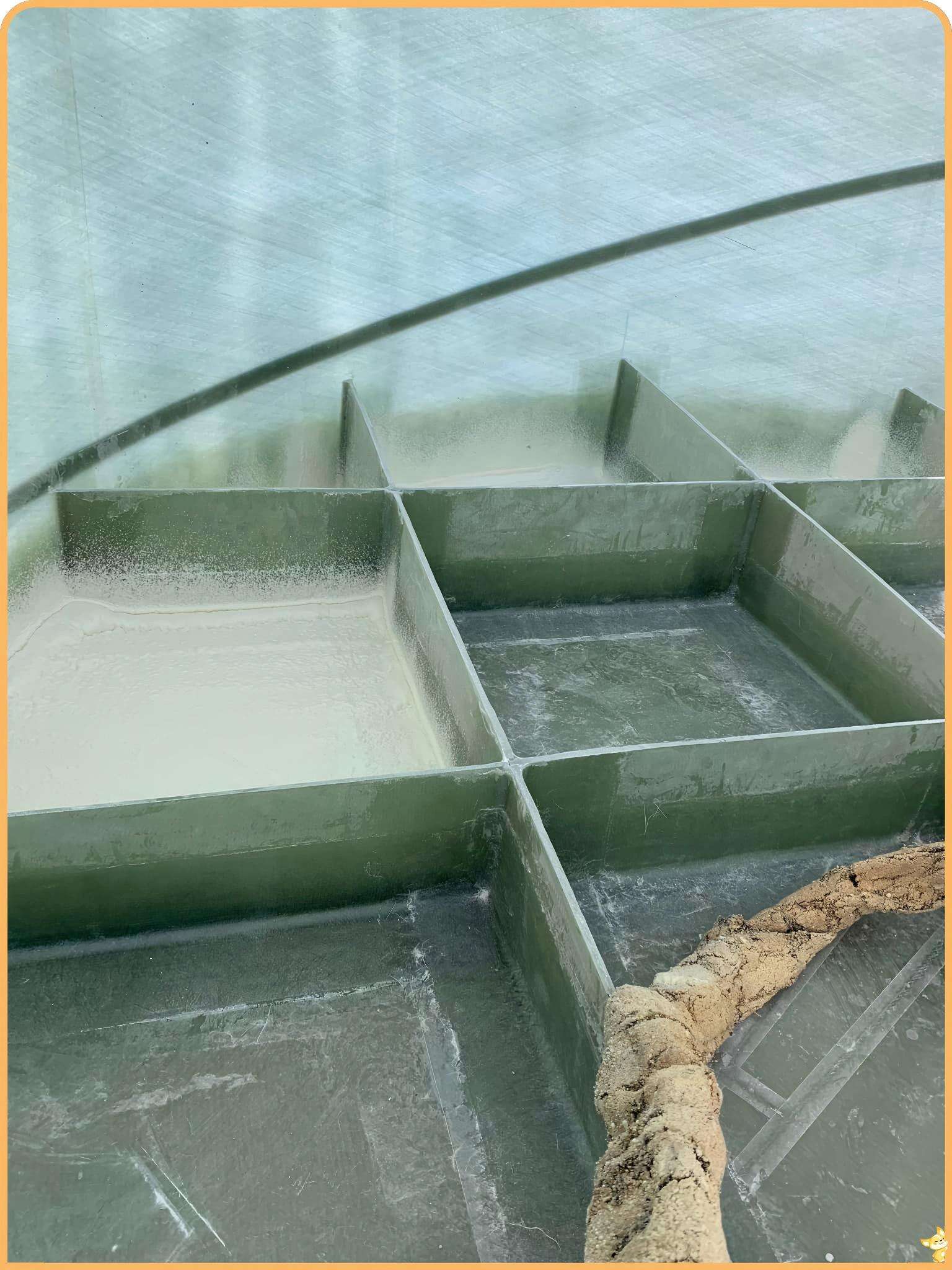
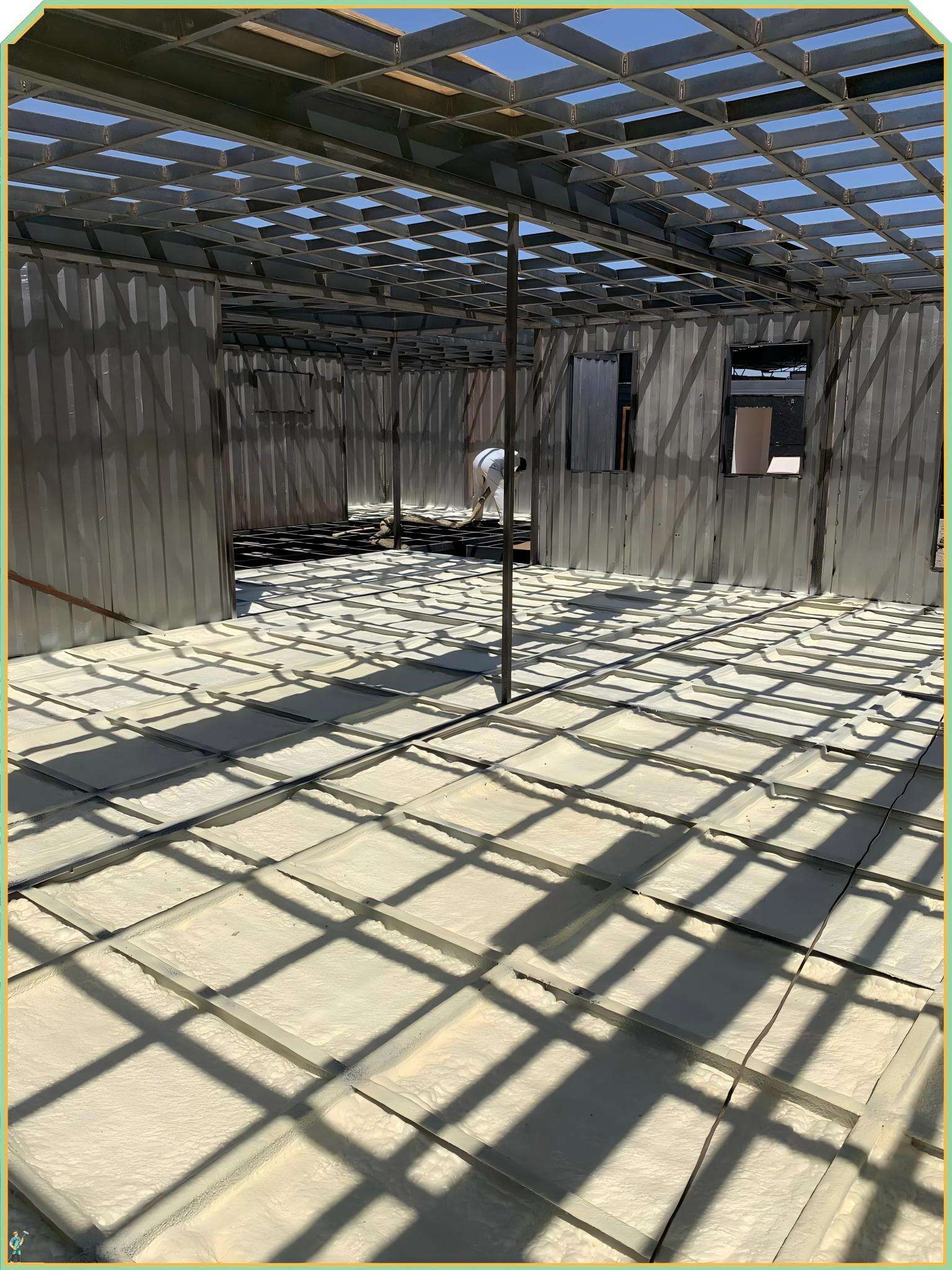
Foam insulation equipment represents a revolutionary approach to building energy efficiency and thermal management. This sophisticated machinery transforms liquid chemical components into expanding foam materials that create seamless insulation barriers. The primary function of foam insulation equipment centers on producing polyurethane foam through precise mixing of polyol and isocyanate components. Modern systems incorporate advanced proportioning technology that ensures accurate chemical ratios for optimal foam performance. The equipment features high-pressure delivery mechanisms that propel the mixed materials through specialized spray guns or injection nozzles. Temperature control systems maintain chemical components at ideal processing conditions, typically between 100-140 degrees Fahrenheit. Automated monitoring capabilities track pressure levels, flow rates, and material consumption in real-time. Professional-grade foam insulation equipment includes heated hoses that prevent material crystallization during transport from storage tanks to application points. The technological framework incorporates microprocessor controls that enable operators to adjust spray patterns, foam density, and application thickness. Safety mechanisms include emergency shut-off valves, pressure relief systems, and automatic purge cycles that clean internal components. Material handling systems accommodate various container sizes from small cartridges to large bulk storage tanks. The equipment supports multiple foam formulations including open-cell and closed-cell varieties for different insulation requirements. Applications span residential construction, commercial building projects, industrial facilities, and specialized environments requiring superior thermal barriers. Contractors utilize this equipment for attic insulation, wall cavity filling, basement sealing, and HVAC ductwork encapsulation. The versatility extends to roofing applications where foam creates waterproof membranes and structural reinforcement. Marine and transportation industries employ foam insulation equipment for vessel hulls, refrigerated containers, and vehicle manufacturing. The precision delivery systems enable foam application in confined spaces, irregular surfaces, and complex architectural features that traditional insulation methods cannot address effectively.
 ×
×




 EN
EN