cost of spray foam insulation equipment
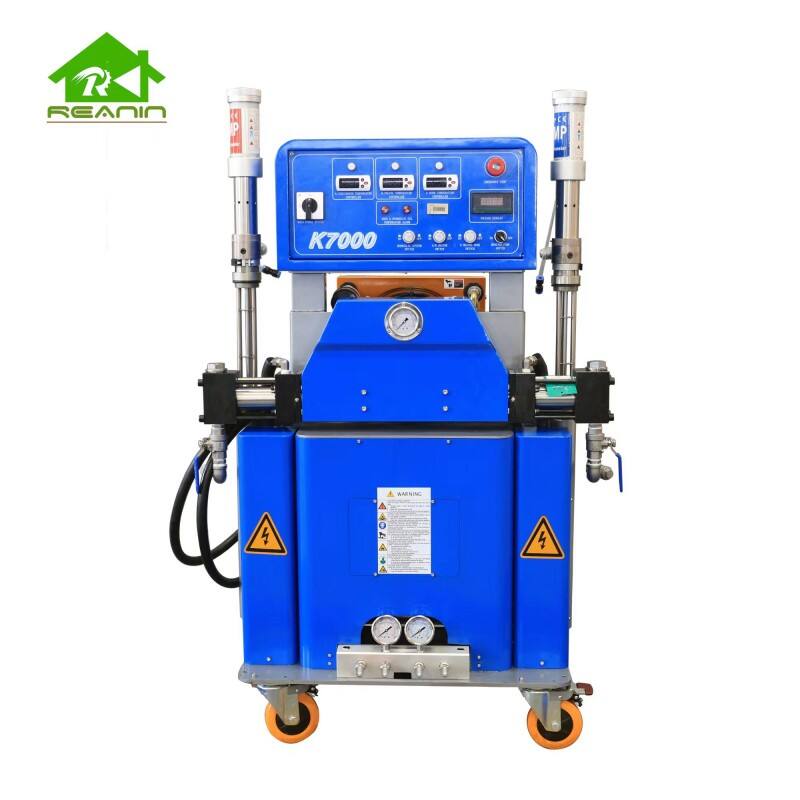
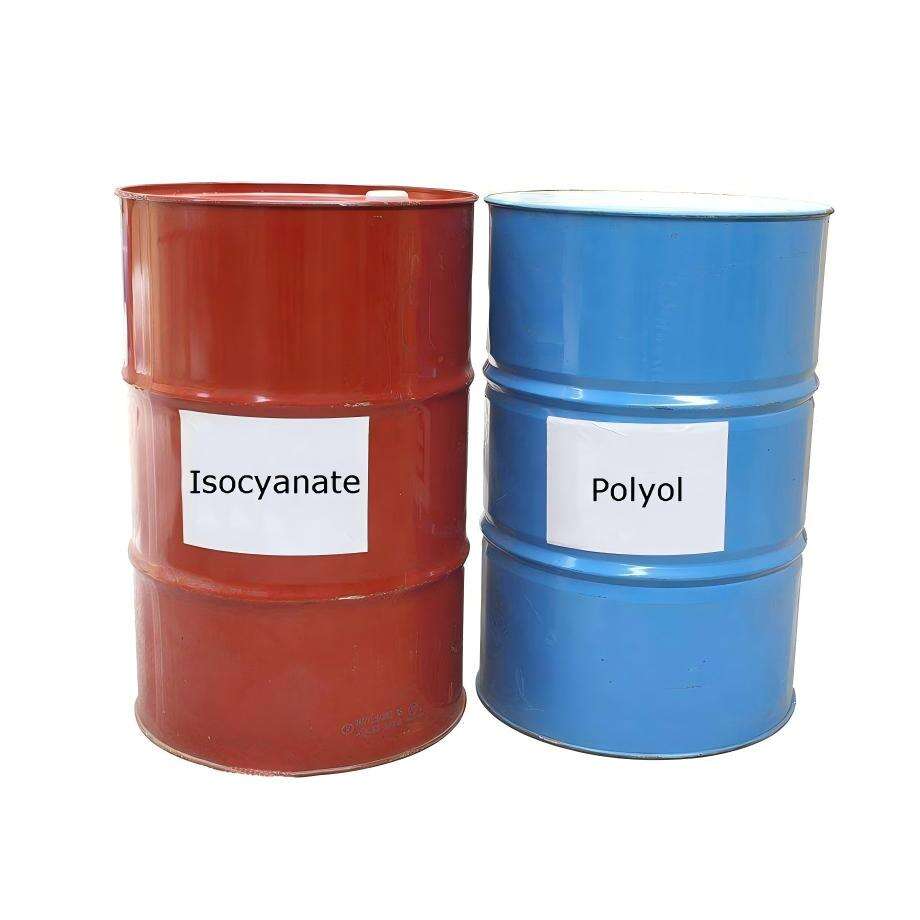
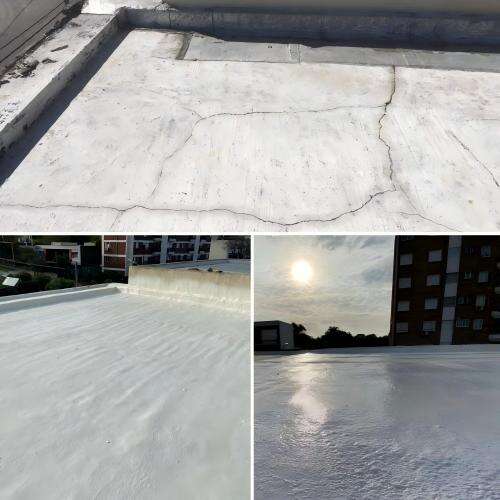
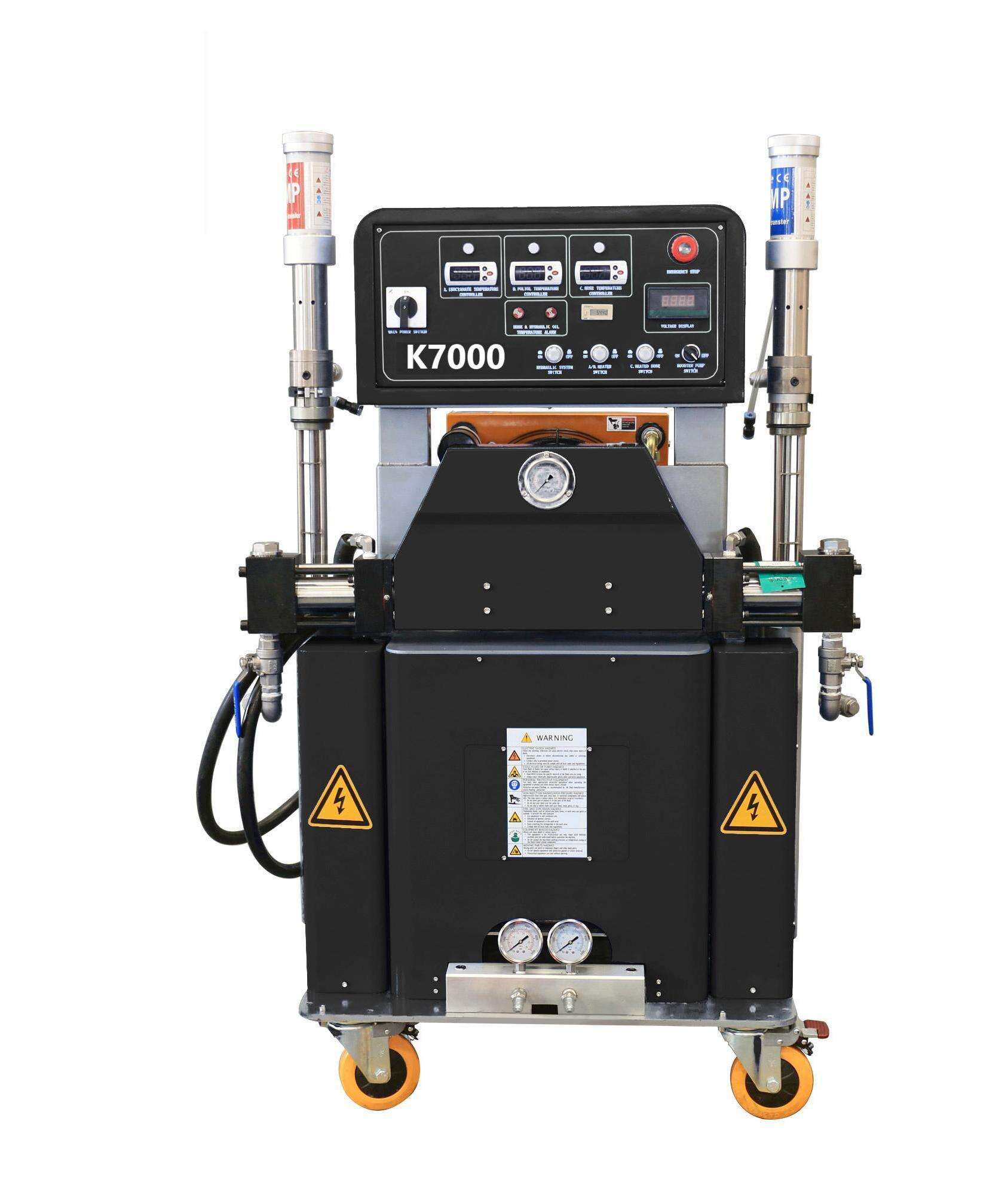
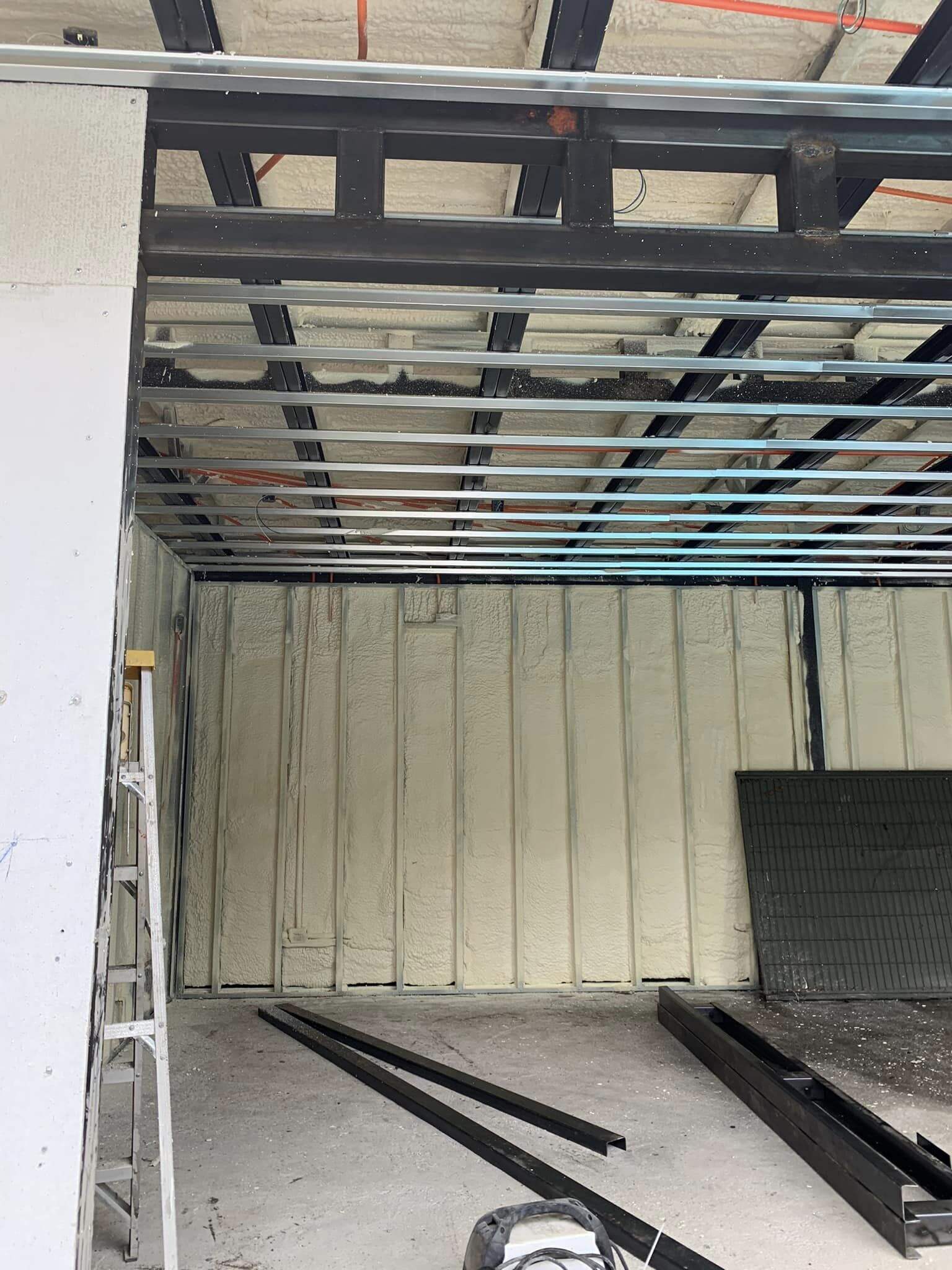
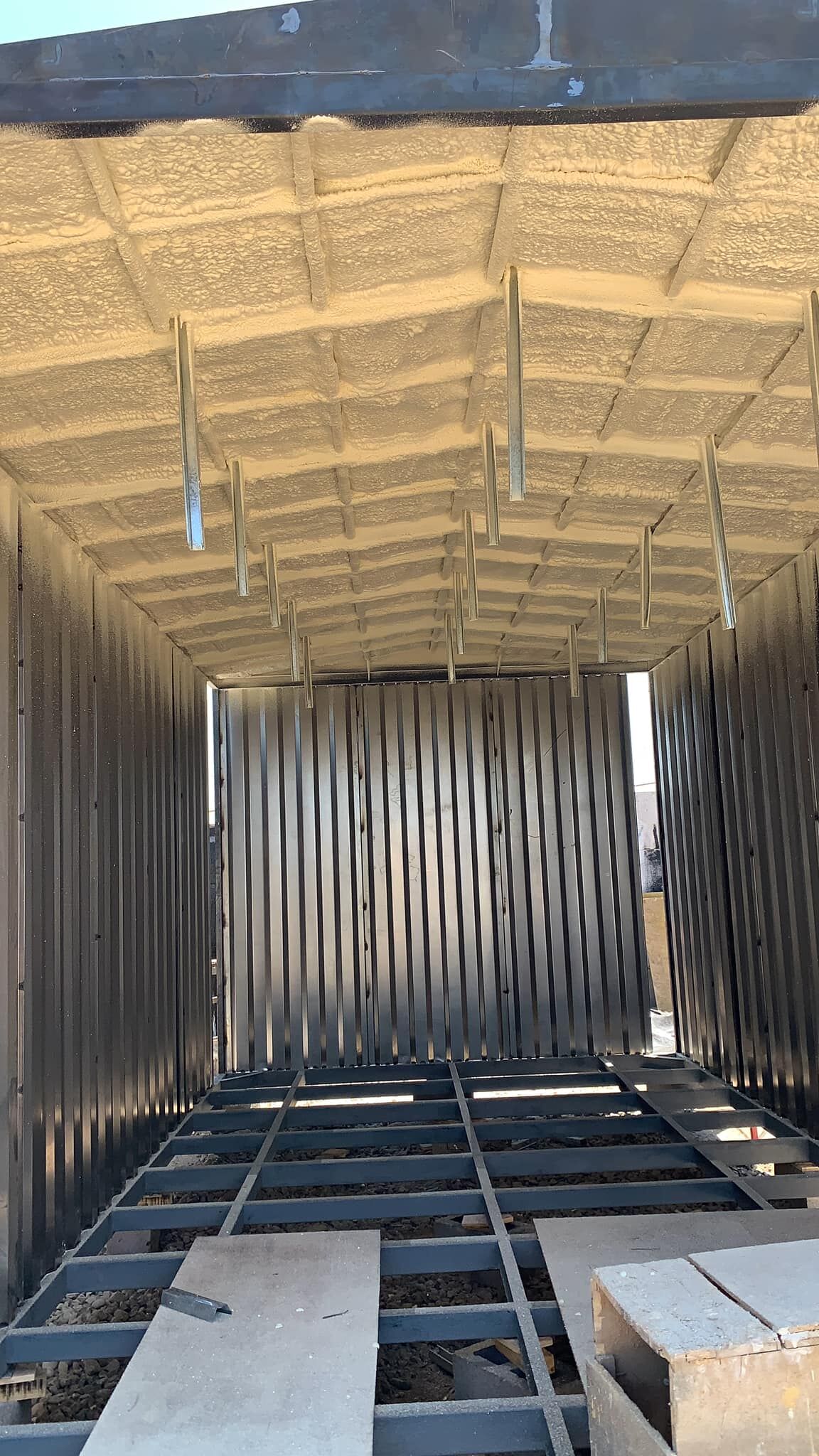
The cost of spray foam insulation equipment represents a significant investment for contractors and businesses seeking to enter or expand within the insulation industry. This specialized machinery is designed to apply polyurethane foam insulation efficiently and effectively across various commercial and residential applications. Understanding the cost of spray foam insulation equipment requires examining its main functions, which include mixing two-component chemicals, heating materials to optimal temperatures, and delivering pressurized foam through specialized spray guns. The equipment typically consists of a proportioner system that maintains precise ratios between isocyanate and polyol components, heated hoses that prevent material crystallization, and application guns that control foam output patterns. Technological features of modern spray foam systems include digital temperature controls, pressure monitoring systems, automated purge cycles, and variable output settings that accommodate different foam densities and application requirements. These machines often incorporate advanced heating elements, high-pressure pumps, and sophisticated metering systems that ensure consistent foam quality throughout the application process. The applications for this equipment span multiple sectors including residential insulation projects, commercial building construction, industrial facility upgrades, and specialized applications such as roofing systems and crawl space encapsulation. Professional contractors utilize this equipment for new construction projects, renovation work, and energy efficiency improvements. The cost of spray foam insulation equipment varies significantly based on capacity, features, and manufacturer specifications. Entry-level systems typically range from fifteen thousand to thirty thousand dollars, while high-capacity commercial units can exceed one hundred thousand dollars. Factors influencing pricing include pump capacity, heating capabilities, hose length, automation features, and included accessories such as spray guns, protective equipment, and maintenance tools. Understanding these cost considerations helps businesses make informed decisions about equipment purchases and project profitability calculations.
 ×
×




 EN
EN