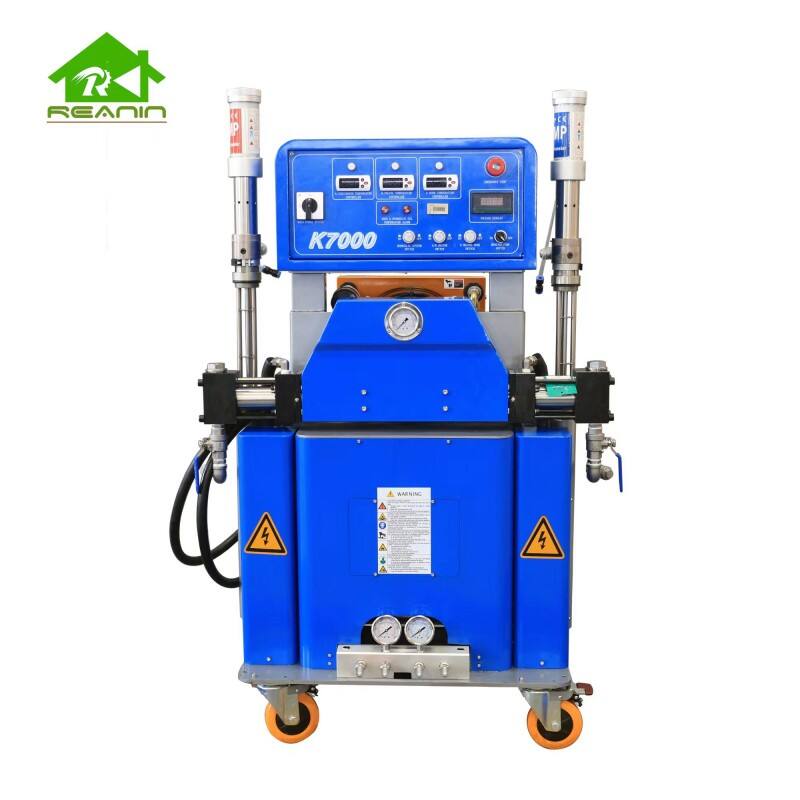
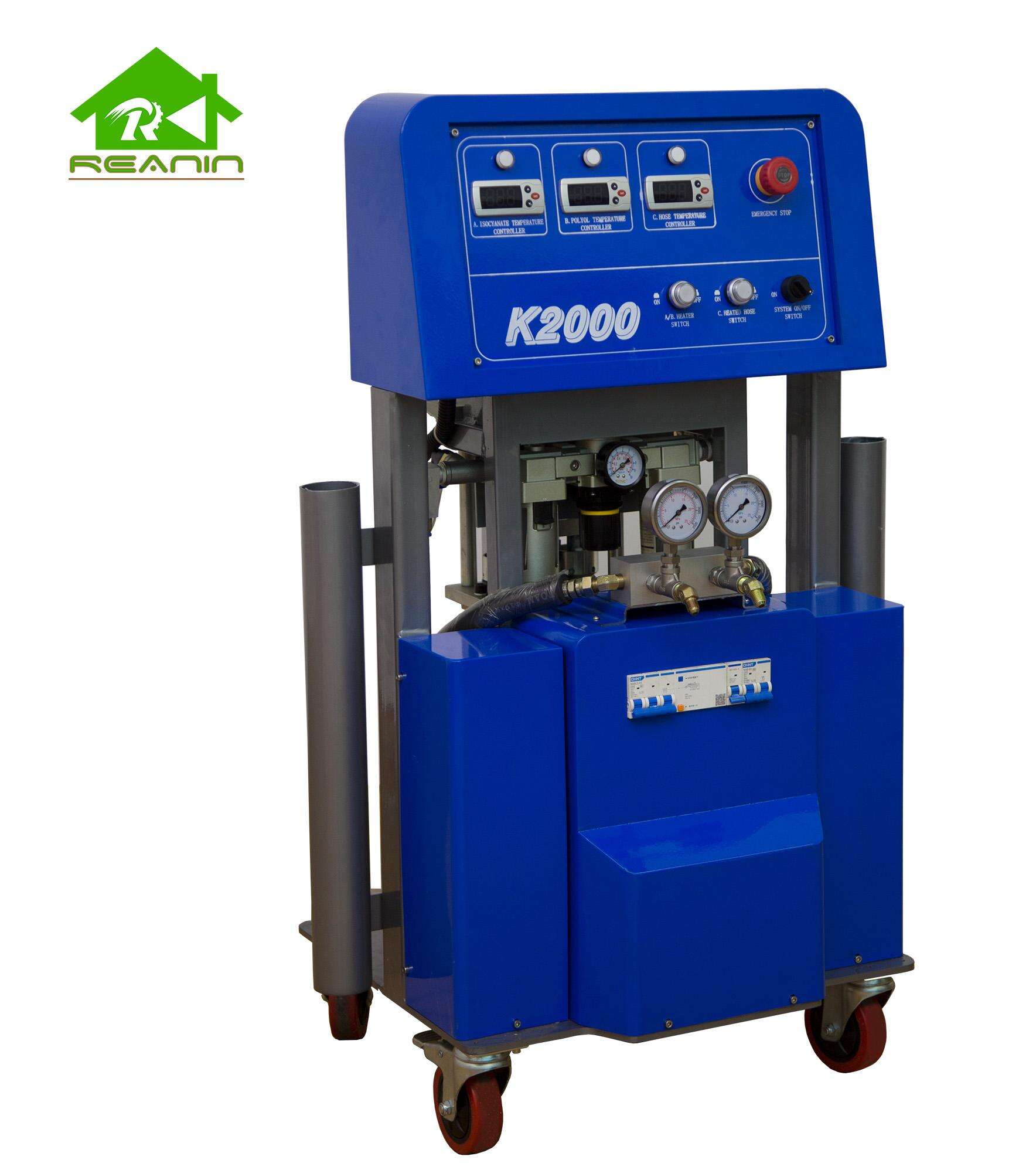
small spray foam machine
The small spray foam machine represents a revolutionary advancement in insulation technology, designed to deliver professional-grade foam insulation capabilities in a compact, portable format. This innovative equipment enables contractors, builders, and property owners to apply polyurethane foam insulation efficiently across various residential and commercial projects. The small spray foam machine combines cutting-edge engineering with user-friendly operation, making foam insulation accessible to a broader range of applications and users. These machines typically feature dual-component systems that precisely mix and dispense polyurethane chemicals to create expanding foam insulation. The technology incorporates heated hoses and spray guns that maintain optimal chemical temperatures for consistent foam quality and performance. Most small spray foam machine models include digital temperature controls, pressure gauges, and automated mixing systems that ensure proper chemical ratios throughout the application process. The equipment's portability allows operators to navigate tight spaces, reach elevated areas, and move between job sites with minimal setup time. Applications for the small spray foam machine span residential attics, crawl spaces, basements, and commercial buildings where traditional insulation methods prove challenging or inefficient. The machine excels in sealing air leaks, providing thermal barriers, and creating moisture-resistant insulation layers. Construction professionals utilize these machines for new builds, renovation projects, and energy efficiency upgrades. The versatility of the small spray foam machine extends to specialty applications including marine insulation, refrigeration units, and industrial equipment insulation. The technology supports both open-cell and closed-cell foam formulations, allowing operators to select appropriate materials for specific environmental conditions and performance requirements. Modern small spray foam machine designs prioritize operator safety through enclosed chemical systems, ventilation compatibility, and ergonomic controls that reduce physical strain during extended use.
 ×
×




 EN
EN