spray foam insulation commercial equipment
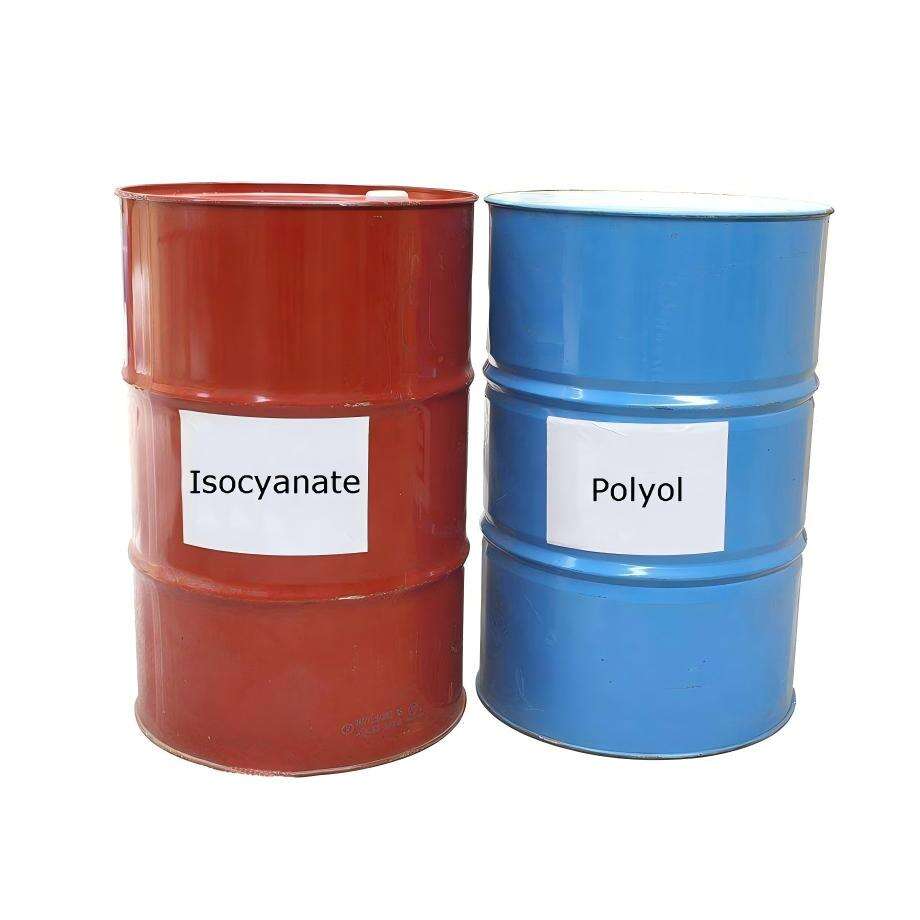
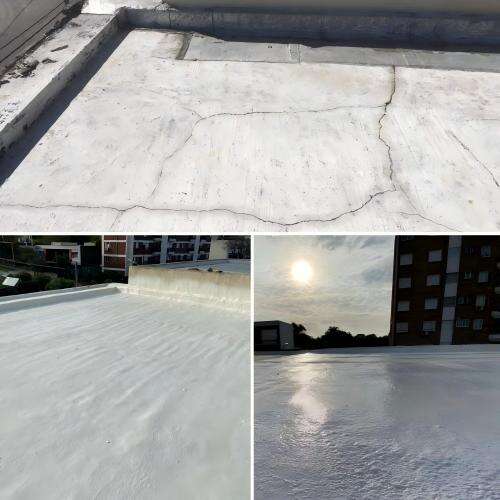
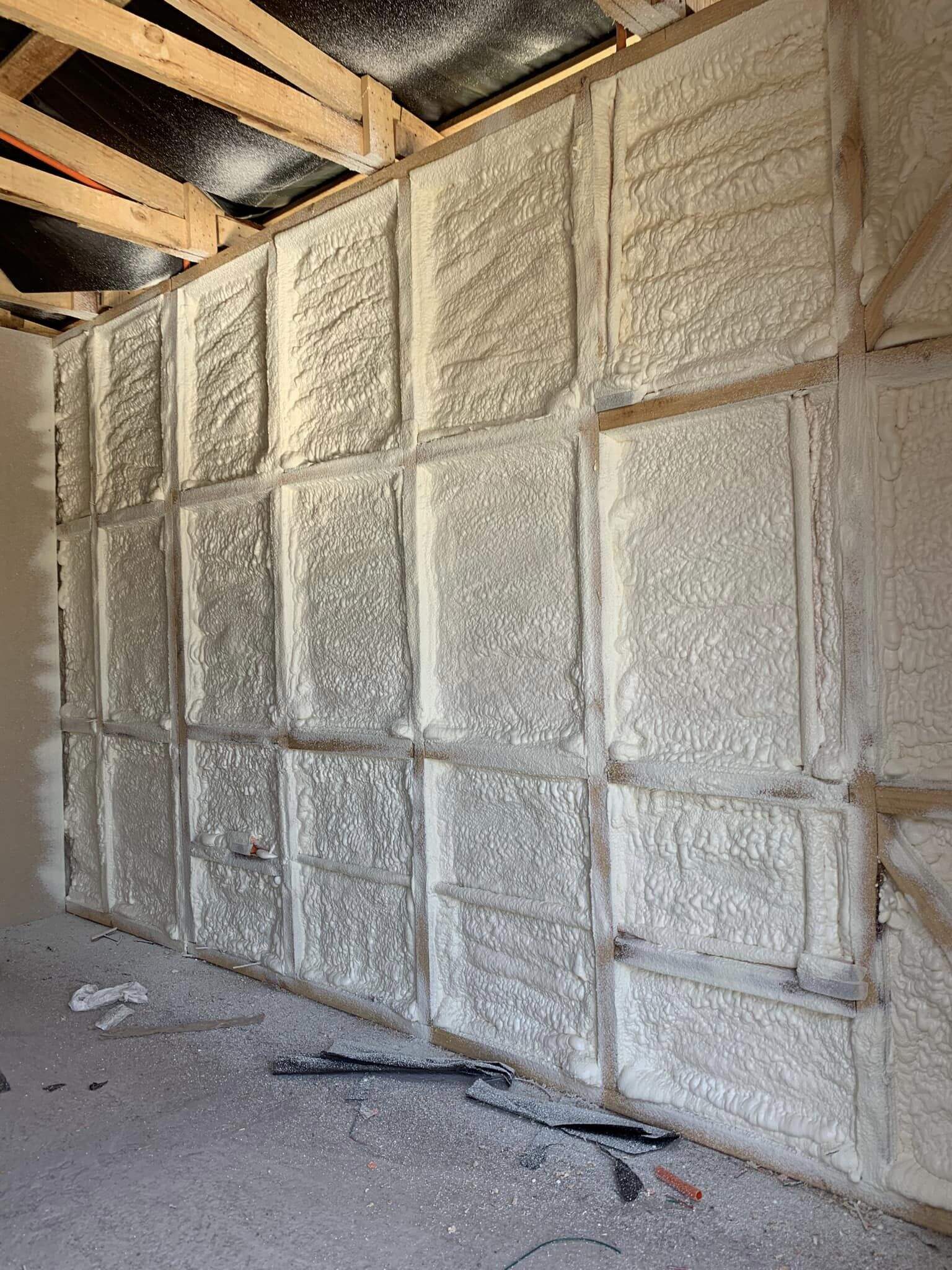
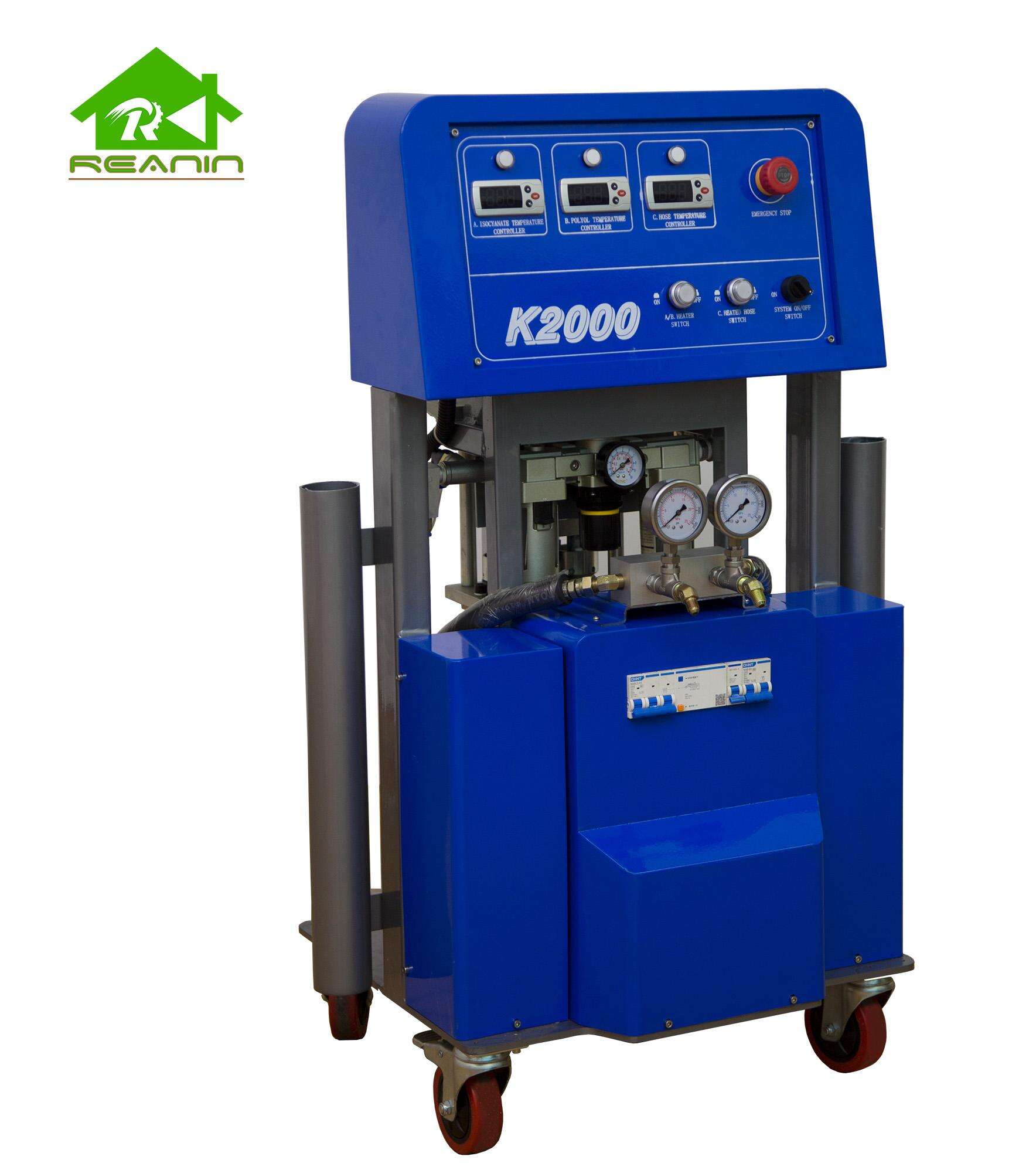
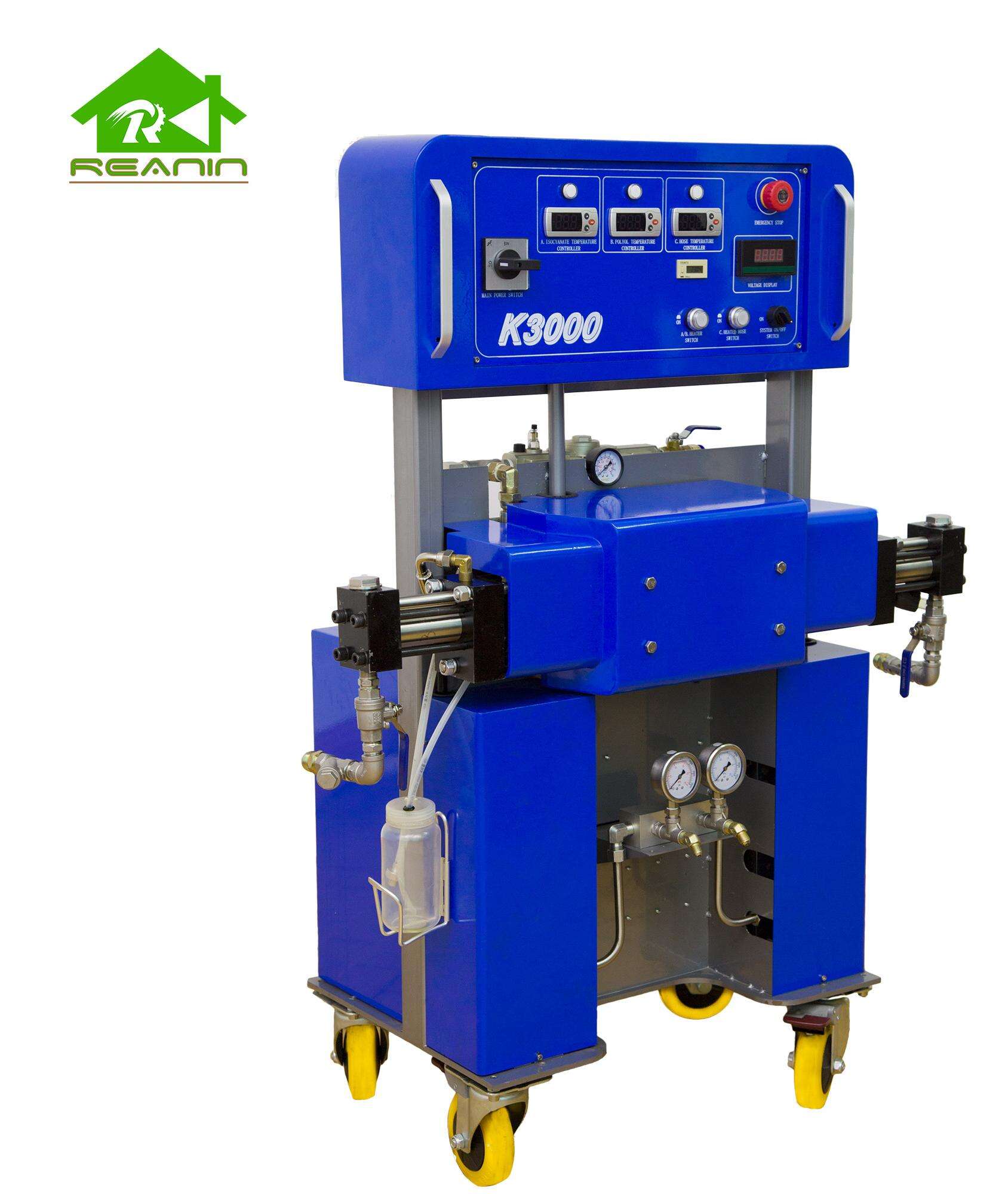
Spray foam insulation commercial equipment represents a sophisticated system designed to deliver professional-grade insulation solutions for large-scale construction and renovation projects. This specialized machinery combines precision engineering with advanced technology to produce polyurethane foam insulation that expands rapidly upon application, creating an effective thermal barrier. The equipment typically consists of multiple interconnected components including heated hoses, spray guns, pressure pumps, and material storage tanks that work together to ensure consistent foam production. The primary function of spray foam insulation commercial equipment involves mixing two chemical components - polyol and isocyanate - at precise ratios and temperatures before dispensing the mixture through a high-pressure spray gun. This process creates a chemical reaction that causes the material to expand up to 100 times its liquid volume, filling gaps, cracks, and voids completely. Modern commercial systems feature digital control panels that monitor temperature, pressure, and flow rates continuously, ensuring optimal performance throughout the application process. The technological features include proportioning pumps that maintain exact chemical ratios, heated transfer lines that prevent material crystallization, and automatic safety shutoffs that protect both equipment and operators. These systems can handle various foam densities from low-density open-cell to high-density closed-cell formulations, making them versatile for different project requirements. Commercial spray foam insulation equipment finds extensive applications in warehouses, manufacturing facilities, cold storage buildings, aircraft hangars, and large residential developments. The equipment's mobility allows contractors to transport complete systems to job sites efficiently, while its scalability enables handling projects ranging from small commercial buildings to massive industrial complexes. Professional-grade filtration systems ensure material purity, while integrated cleaning mechanisms maintain equipment longevity and consistent performance standards across multiple applications.
 ×
×




 EN
EN