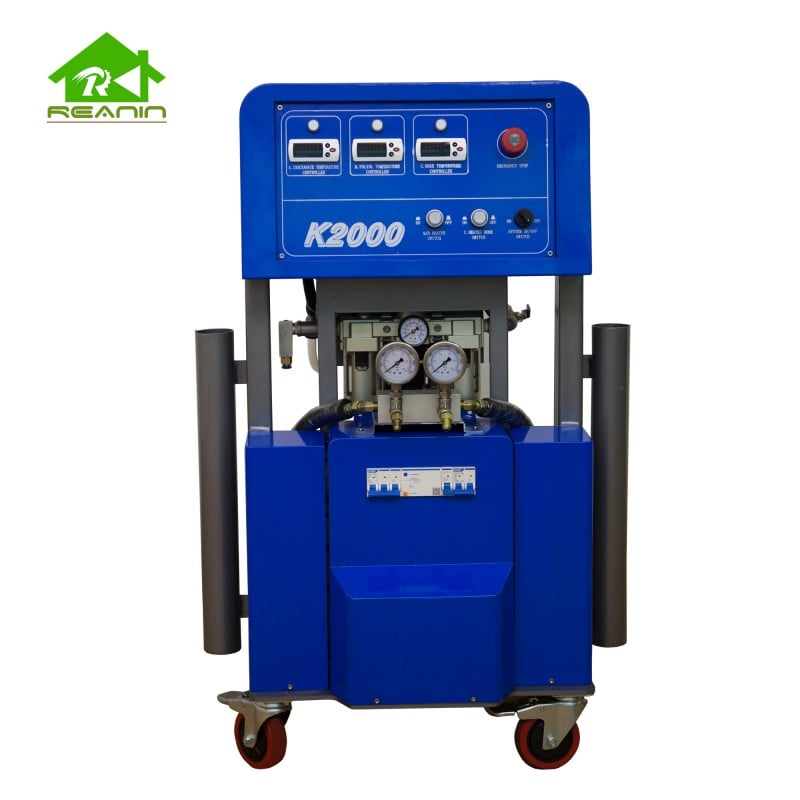
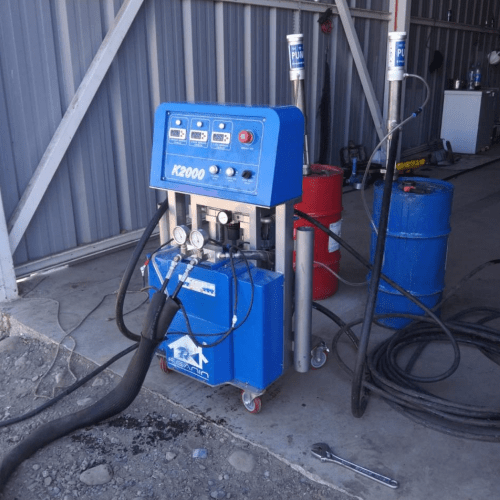
underfloor spray foam insulation
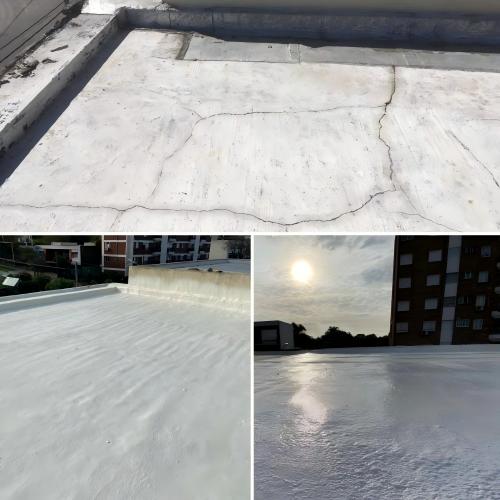
Underfloor spray foam insulation represents a modern solution for thermal protection and energy efficiency in residential and commercial buildings. This innovative insulation method involves applying expanding polyurethane foam directly beneath floor structures, creating a seamless thermal barrier that prevents heat loss and air infiltration. Underfloor spray foam insulation works by expanding to fill cavities, gaps, and irregular spaces that traditional insulation materials cannot reach effectively.
The primary function of underfloor spray foam insulation is to establish continuous thermal resistance, minimizing energy consumption for heating and cooling systems. The spray foam application process creates an air-tight seal that reduces drafts and moisture penetration, protecting structural integrity while improving indoor comfort levels. Underfloor spray foam insulation typically achieves high R-values per inch, delivering superior insulation performance compared to conventional fiberglass batts or cellulose alternatives.
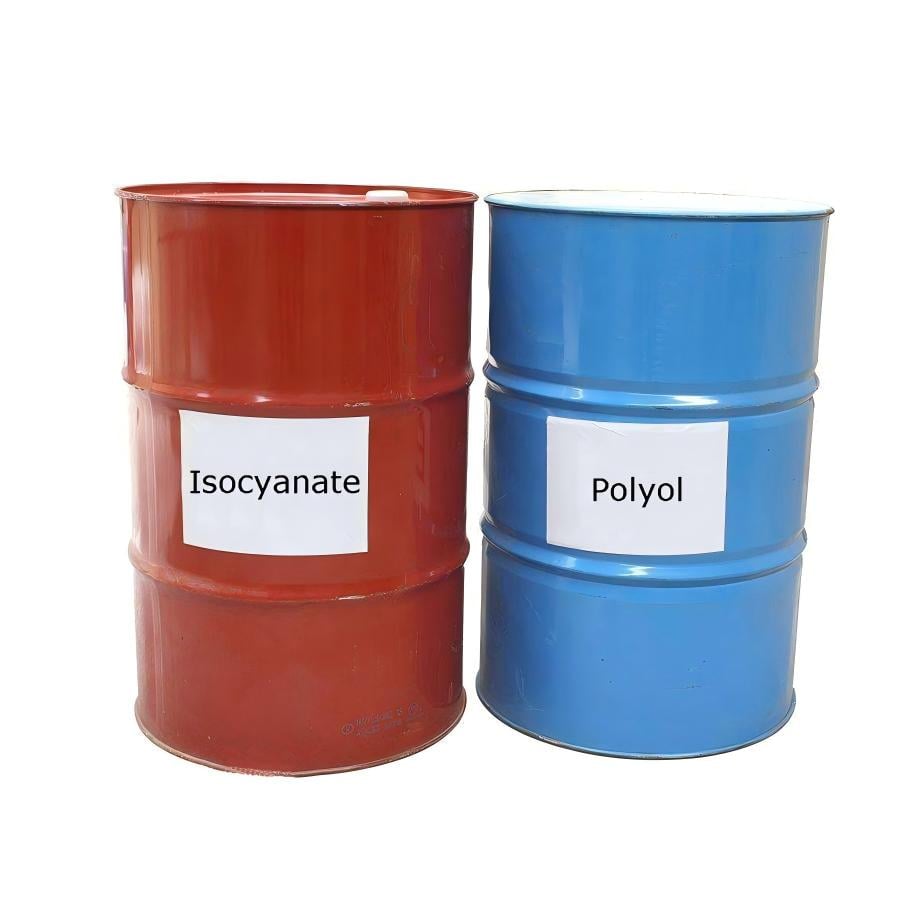
Technologically, underfloor spray foam insulation utilizes closed-cell or open-cell polyurethane formulations that expand upon application. Closed-cell foam provides enhanced moisture resistance and structural support, making it ideal for below-grade applications and crawl spaces. Open-cell varieties offer cost-effectiveness and vapor permeability benefits for specific applications. The expansion characteristics ensure complete coverage of complex architectural elements, including pipes, wiring, and mechanical components.
Applications for underfloor spray foam insulation include residential crawl spaces, basement rim joists, suspended floor systems, and commercial properties requiring enhanced thermal performance. This insulation type proves particularly valuable in older structures where retrofitting is necessary, as it adapts to existing conditions without extensive preparation.
 ×




 EN