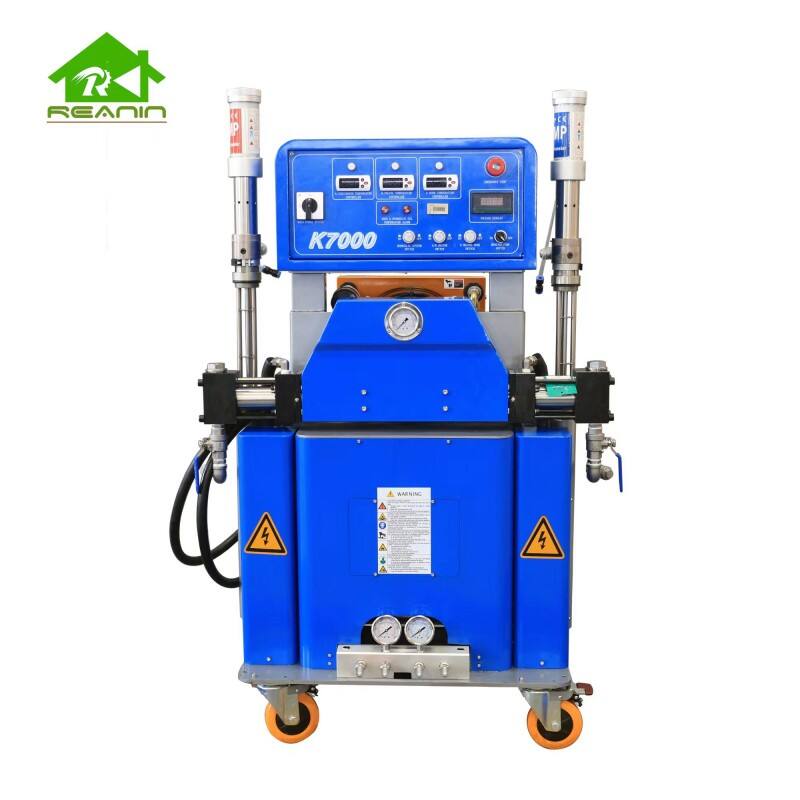
mobile spray foam rigs
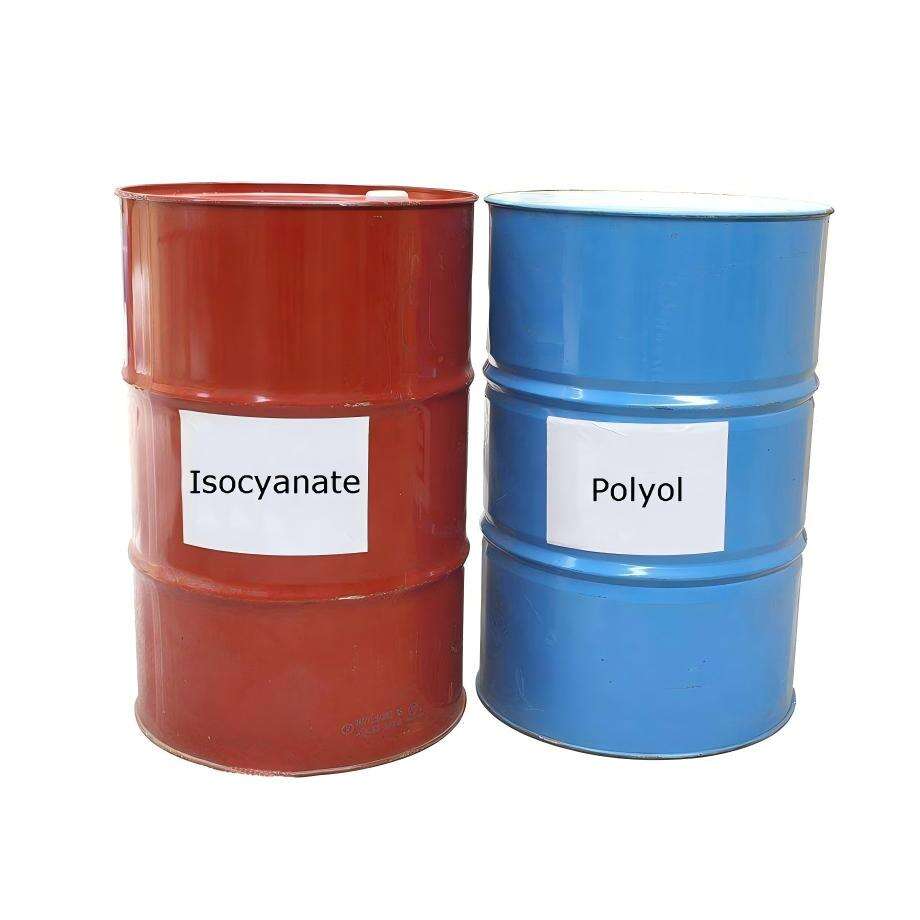
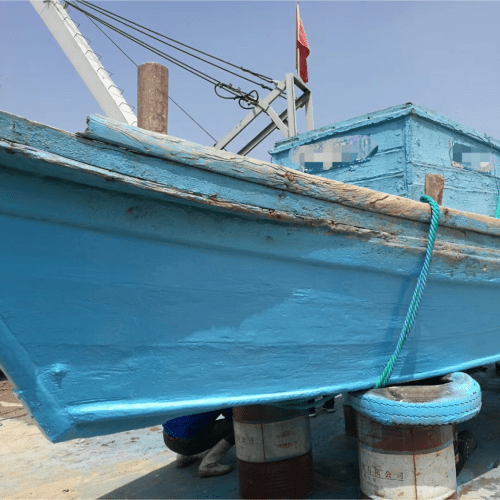
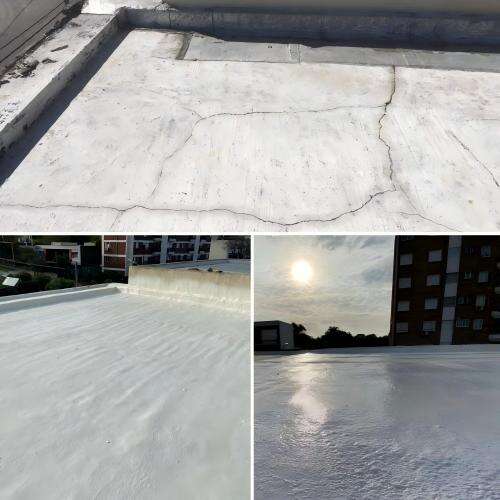
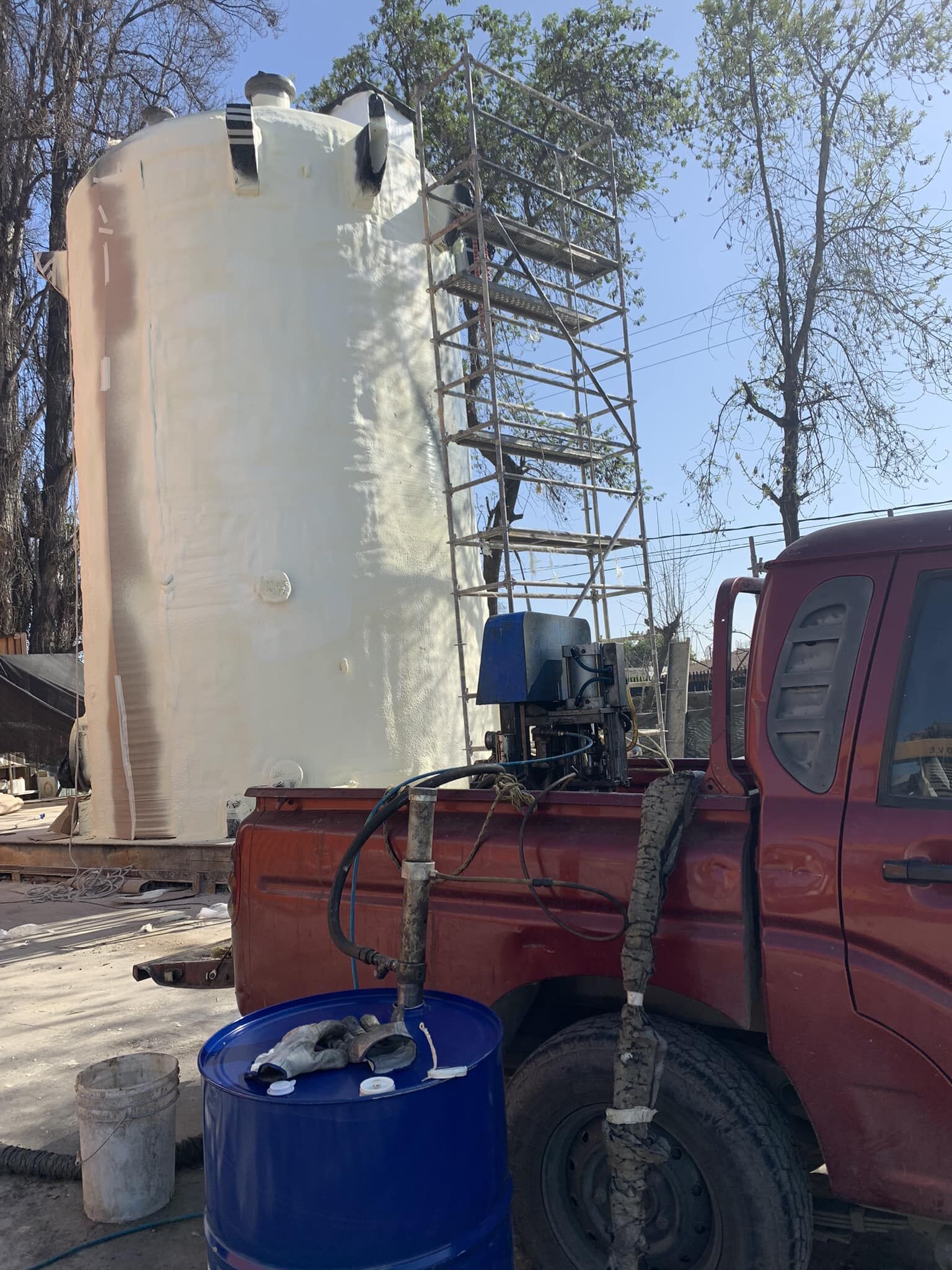
Mobile spray foam rigs represent cutting-edge solutions for insulation contractors and construction professionals who require portable, efficient foam application systems. These specialized vehicles integrate advanced spray foam equipment into mobile platforms, enabling contractors to deliver high-quality insulation services directly to job sites. The primary functions of mobile spray foam rigs include mixing polyol and isocyanate chemicals, heating components to optimal temperatures, pressurizing the system, and delivering precisely controlled spray foam through professional-grade spray guns. These rigs feature sophisticated temperature control systems that maintain chemical components at ideal operating temperatures, typically between 120-140 degrees Fahrenheit, ensuring optimal chemical reactions and foam quality. The technological framework includes proportioning pumps that maintain accurate chemical ratios, heated hoses that prevent material cooling during transport, and advanced monitoring systems that track pressure, temperature, and flow rates in real-time. Most mobile spray foam rigs incorporate dual-component metering systems that automatically blend chemicals at the spray gun, producing consistent foam density and cellular structure. The equipment typically features variable pressure controls, allowing operators to adjust output based on specific application requirements and foam types. Applications for mobile spray foam rigs span residential construction, commercial building projects, industrial facilities, and specialized applications like marine vessels and aircraft hangars. These systems excel in attic insulation, basement waterproofing, crawl space encapsulation, and continuous insulation applications on building exteriors. The mobility aspect enables contractors to access remote locations, multi-story buildings, and sites with limited accessibility. Modern mobile spray foam rigs often include generator systems for electrical independence, water tanks for equipment cleaning, and storage compartments for safety equipment and tools. Advanced models feature computerized control systems that automatically adjust parameters based on ambient conditions and material specifications, ensuring consistent application quality regardless of environmental factors.
 ×
×



 EN
EN